


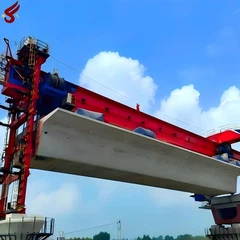
Hey there! As a supplier of electric hoists, I often get asked about the precision of an electric hoist in positioning. It's a crucial aspect, especially when you're dealing with tasks that require accurate placement of heavy loads. In this blog, I'll break down what precision in electric hoist positioning means, what factors affect it, and how our products stack up in this regard.
Let's start by understanding what we mean by the precision of an electric hoist in positioning. Simply put, it's how accurately the hoist can lift, lower, and move a load to a specific location. This precision is measured in terms of how close the actual position of the load gets to the desired position. For instance, if you need to place a heavy piece of machinery on a specific spot on the factory floor, the precision of the hoist will determine how well it can achieve that.
Now, several factors can influence the precision of an electric hoist. One of the most significant factors is the control system. Modern electric hoists come with advanced control systems that allow for precise movement. These systems can be either manual or automated. Manual control systems rely on the operator's skill to move the hoist accurately. While experienced operators can achieve a high level of precision, it still depends on human factors like reaction time and concentration.
On the other hand, automated control systems use sensors and programming to move the hoist. These systems can be incredibly precise, as they can calculate the exact distance and speed required to move the load to the desired position. For example, some of our hoists are equipped with programmable logic controllers (PLCs) that can be set to move the load in a specific pattern or to a specific location with a high degree of accuracy.
Another factor that affects precision is the mechanical design of the hoist. The quality of the gears, brakes, and motors all play a role in how smoothly and accurately the hoist can move. High - quality components are less likely to experience wear and tear, which can lead to imprecise movement over time. Our electric hoists are built with top - notch components to ensure long - term precision.

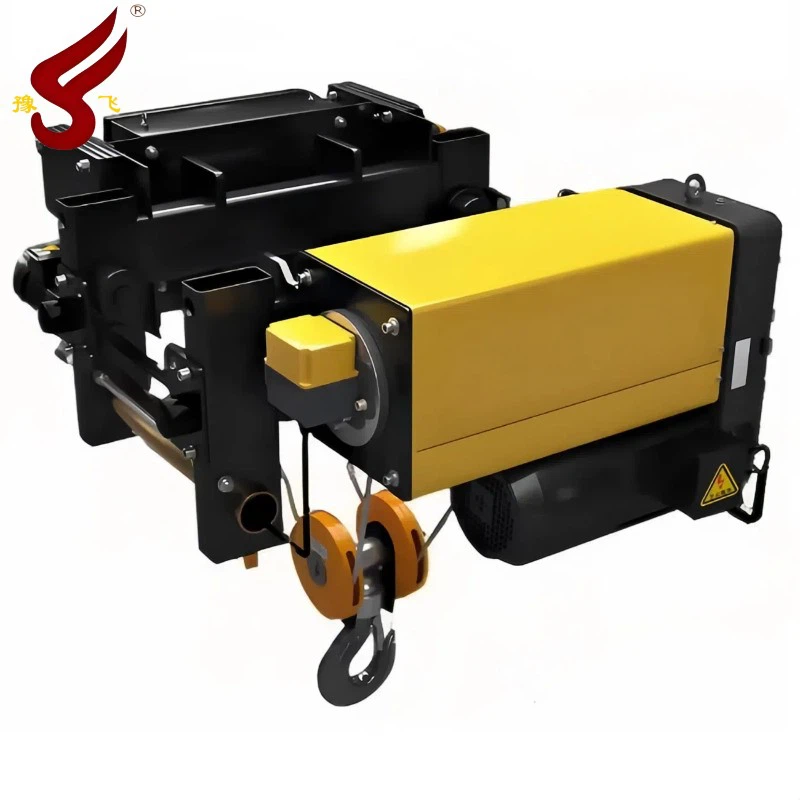
The type of electric hoist also matters. Different types of hoists are designed for different applications, and this can impact their positioning precision. For example, the Metallurgical Electric Hoist is specifically designed for use in the metallurgical industry. These hoists need to be able to handle high - temperature and heavy - duty environments. They are built with robust components that can withstand the harsh conditions, and their control systems are calibrated to provide precise positioning even in these challenging settings.
The HB Type Explosion Proof Electric Hoist is another specialized type. As the name suggests, it's designed for use in explosive environments. Precision is crucial in these situations, as any misplacement of the load could lead to dangerous situations. These hoists are equipped with safety features and precise control systems to ensure accurate positioning while maintaining a high level of safety.
The Low Headroom Electric Hoist is designed for use in areas with limited vertical space. Despite the space constraints, these hoists need to be able to position loads accurately. Their unique design allows for maximum use of the available space while still providing precise movement.
In addition to the control system and mechanical design, the environment in which the hoist operates can also affect precision. Factors like temperature, humidity, and vibration can all have an impact. For example, extreme temperatures can cause the components of the hoist to expand or contract, which can lead to changes in the hoist's performance. Our hoists are designed to be resilient to a wide range of environmental conditions, but it's still important to take these factors into account when planning for precise positioning.
When it comes to measuring the precision of an electric hoist, there are a few key metrics. One of the most common is the positioning accuracy, which is the maximum deviation between the actual position of the load and the desired position. Another metric is the repeatability, which measures how consistently the hoist can return to the same position over multiple cycles.
Our electric hoists are known for their high precision. We conduct rigorous testing on each hoist before it leaves the factory to ensure that it meets our strict quality standards. We use state - of - the - art testing equipment to measure the positioning accuracy and repeatability of the hoists. This way, we can guarantee that our customers are getting a product that will perform precisely as expected.
If you're in the market for an electric hoist and precision in positioning is a priority for you, then you've come to the right place. We offer a wide range of electric hoists, each designed to meet different needs and applications. Whether you need a hoist for a small workshop or a large industrial facility, we have the right solution for you.
We understand that every customer's requirements are unique, and we're more than happy to work with you to find the best electric hoist for your specific needs. Our team of experts is always available to answer your questions and provide you with detailed information about our products.
So, if you're interested in learning more about our electric hoists or want to discuss your project, don't hesitate to get in touch. We're here to help you make the right choice and ensure that you get a high - precision electric hoist that will serve you well for years to come.
References
- General knowledge in the field of electric hoist technology and engineering.
- Product specifications and testing data from our electric hoist manufacturing process.