


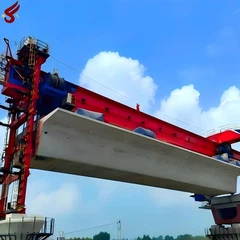
Hey there! As a supplier of Shipbuilding Gantry Cranes, I often get asked about the power source of these massive machines. So, let's dive right in and explore what makes these cranes tick.
The Basics of Shipbuilding Gantry Cranes
First off, Shipbuilding Gantry Cranes are huge pieces of equipment used in shipyards to lift and move heavy materials during the ship - building process. They're like the muscle of the shipyard, capable of handling tons of weight with precision. You can check out more about Shipbuilding Gantry Crane on our website.
Electric Power: The Most Common Choice
The majority of Shipbuilding Gantry Cranes are powered by electricity. There are a few reasons for this. Firstly, electricity is a clean and efficient power source. It doesn't produce harmful emissions like some other power sources, which is great for the environment, especially in a large shipyard where air quality can be a concern.
Secondly, electric motors offer excellent control. Shipbuilding requires a high level of precision when moving heavy components, and electric motors can be easily regulated to provide smooth and accurate movements. Whether it's lifting a massive ship hull section or positioning a delicate engine part, electric - powered cranes can do it with ease.
There are different ways to supply electricity to these cranes. One common method is through a power cable. The crane is connected to a power grid on the ground via a long, flexible cable. This cable can move with the crane as it travels along its tracks, ensuring a continuous power supply. However, this method has its limitations. The cable can get in the way, and there's a risk of damage if it's not properly maintained.
Another option is a conductor bar system. In this setup, a series of metal bars are installed along the crane's track. The crane has a collector shoe that slides along these bars, collecting electricity as it moves. This system is more reliable than the cable method, as there's less risk of damage, and it allows for a more compact design.
Diesel - Electric Hybrid Systems
In some cases, especially in shipyards where the power grid is unreliable or where the crane needs to operate in remote areas, diesel - electric hybrid systems are used. These systems combine a diesel engine with an electric generator.
The diesel engine runs the generator, which produces electricity to power the crane's electric motors. This setup offers the best of both worlds. The diesel engine provides a reliable source of power, even in areas without a stable electrical supply. At the same time, the electric motors offer the precision and control needed for shipbuilding operations.
Diesel - electric hybrid cranes also have the advantage of being more fuel - efficient than pure diesel - powered cranes. The electric motors can store energy during periods of low demand and use it when more power is needed, reducing the overall fuel consumption.
Hydraulic Power: A Secondary Option
Hydraulic power is another option for Shipbuilding Gantry Cranes, although it's not as common as electric power. Hydraulic systems use pressurized fluid to generate force and movement.
One of the main advantages of hydraulic power is its high power - to - weight ratio. Hydraulic cylinders can generate a large amount of force in a relatively small space, making them suitable for applications where space is limited.
However, hydraulic systems also have some drawbacks. They require a lot of maintenance. The hydraulic fluid needs to be regularly changed, and there's a risk of leaks, which can be messy and environmentally harmful. Also, hydraulic systems are not as precise as electric systems, which can be a problem in shipbuilding where accuracy is crucial.
Other Considerations
When choosing a power source for a Shipbuilding Gantry Crane, there are other factors to consider besides just the technical aspects. Cost is a major consideration. Electric - powered cranes are generally more expensive to purchase initially, but they have lower operating costs in the long run due to the lower cost of electricity compared to diesel fuel.
Maintenance is another important factor. Electric systems are generally easier to maintain than hydraulic or diesel systems. They have fewer moving parts, and there's less risk of fluid leaks or engine problems.
Safety is also a top priority. Electric - powered cranes are considered safer in many ways. There's no risk of diesel fumes or hydraulic fluid spills, which can be hazardous to workers' health.


Related Crane Types
We also offer other types of gantry cranes that can be useful in shipyards. For example, the MH Type Electric Hoist Gantry Crane is a more compact and versatile option. It's powered by an electric hoist, which is great for smaller - scale lifting operations in the shipyard.
The MZ Type Grab Bucket Gantry Crane is another useful addition. This crane is equipped with a grab bucket, which is ideal for handling bulk materials like sand, gravel, or scrap metal. It can be powered by the same electric or hybrid systems as the Shipbuilding Gantry Cranes.
Conclusion
In conclusion, the power source of a Shipbuilding Gantry Crane can vary depending on the specific needs of the shipyard. Electric power is the most common choice due to its cleanliness, control, and efficiency. Diesel - electric hybrid systems are a good option for areas with unreliable power supplies, and hydraulic power can be used in certain applications where high - force output is required.
If you're in the market for a Shipbuilding Gantry Crane or any of our other crane products, we'd love to hear from you. Whether you have questions about power sources, crane specifications, or pricing, our team of experts is ready to assist you. Contact us today to start the procurement process and take your shipbuilding operations to the next level.
References
- General knowledge from years of experience in the shipbuilding crane industry.
- Technical manuals and specifications of Shipbuilding Gantry Cranes and related equipment.