


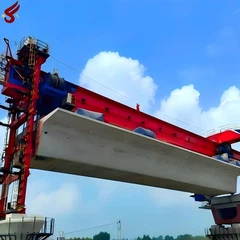
A cantilever crane, also known as a jib crane, is a type of lifting equipment that consists of a horizontal beam (jib) supported by a vertical mast or wall. It is designed to provide a cost - effective and efficient solution for material handling in various industrial applications. As a leading cantilever crane supplier, I am often asked about the installation and commissioning steps of a new cantilever crane. In this blog, I will walk you through the detailed process.
Pre - installation Preparations
Before starting the installation of a cantilever crane, a series of preparatory work is required. First, you need to select a suitable installation site. The site should have a flat and solid foundation. For a Fixed Column Jib Crane, the foundation must be able to support the weight of the crane and the maximum load it will lift. The ground should be inspected for any signs of unevenness, cracks, or soft spots. If necessary, the foundation may need to be reinforced.
Next, you should check all the components of the cantilever crane. Ensure that all parts are included in the shipment and are free from damage. This includes the jib, mast, hoist, trolley, and all the necessary bolts, nuts, and electrical components. Make a detailed inventory of all the parts and compare it with the packing list. Any missing or damaged parts should be reported to the supplier immediately.
It is also crucial to have the right tools and equipment ready for the installation. This may include cranes for lifting heavy components, wrenches, sockets, drills, and measuring tools such as levels and tape measures. Safety equipment like hard hats, safety glasses, and harnesses should also be available for the installation team.
Installation Steps
Foundation Installation
For a fixed - column cantilever crane, the first step is to install the foundation. Mark the position of the foundation according to the crane's design drawings. Dig the foundation pit to the required depth and size. Reinforce the pit with steel bars if necessary. Pour the concrete into the pit and use a vibrating rod to ensure that the concrete is well - compacted. Insert the anchor bolts into the wet concrete at the correct positions and levels. Allow the concrete to cure for the recommended time, usually several days, depending on the type of concrete and environmental conditions.


Mast Installation
Once the foundation is cured, it's time to install the mast. Use a crane to lift the mast into position and align it with the anchor bolts on the foundation. Secure the mast to the foundation using the nuts and washers provided. Use a level to ensure that the mast is perfectly vertical. The verticality tolerance of the mast is usually within a few millimeters per meter of height. Adjust the position of the mast by tightening or loosening the nuts on the anchor bolts if necessary.
Jib Installation
After the mast is installed, the jib can be attached. Lift the jib using a crane and connect it to the top of the mast. The connection is usually made with high - strength bolts. Make sure the jib is properly aligned with the mast and that all the bolts are tightened to the specified torque. The jib should be able to rotate smoothly around the mast. Check the rotation mechanism, which may include bearings and gears, to ensure that they are in good condition and properly lubricated.
Hoist and Trolley Installation
The hoist and trolley are then installed on the jib. The trolley is mounted on the jib's I - beam and should be able to move freely along the length of the jib. The hoist is attached to the trolley. Connect the electrical cables of the hoist and trolley to the power supply according to the electrical wiring diagram. Make sure all the electrical connections are secure and insulated to prevent electrical hazards.
Commissioning Steps
Mechanical Inspection
Before commissioning the crane, conduct a thorough mechanical inspection. Check all the bolts and nuts to ensure they are tightened. Inspect the moving parts such as the jib rotation mechanism, trolley movement, and hoist lifting mechanism. Look for any signs of abnormal noise, vibration, or binding. Lubricate all the moving parts as recommended by the manufacturer.
Electrical Inspection
Check the electrical system of the crane. Inspect the wiring for any signs of damage, loose connections, or short - circuits. Test the electrical components such as the contactors, relays, and limit switches. Make sure all the safety devices, such as the overload protection device and the limit switches for the hoist's up - and - down movement and the trolley's left - and - right movement, are working properly.
Load Testing
Load testing is a critical step in the commissioning process. Start with a no - load test. Operate the crane to check the jib rotation, trolley movement, and hoist lifting and lowering functions. Make sure all the movements are smooth and the controls are responsive.
Then, conduct a load test with a test load. The test load is usually a percentage of the crane's rated capacity, typically 1.25 times the rated load for a static load test. Lift the test load slowly and hold it at a certain height for a period of time to check the structural integrity of the crane and the performance of the hoist and other components. Observe the crane for any signs of deformation, excessive deflection, or abnormal stress.
After the static load test, perform a dynamic load test with the rated load. Move the load along the jib and rotate the jib while the hoist is lifting and lowering the load. This test will verify the crane's performance under normal operating conditions.
Safety Device Testing
Test all the safety devices on the crane. This includes the overload protection device, which should trip when the load exceeds the rated capacity. Test the limit switches to ensure that they stop the movement of the hoist and trolley at the correct positions. Check the emergency stop button to make sure it can immediately stop all the operations of the crane.
Post - commissioning
After successful commissioning, provide training to the operators. The training should cover the safe operation of the crane, including how to use the controls, how to perform pre - operation checks, and what to do in case of an emergency.
Establish a regular maintenance schedule. Regular maintenance is essential to ensure the long - term reliable operation of the crane. This includes lubrication, inspection of components for wear and tear, and replacement of any damaged parts.
We offer different types of cantilever cranes, including Fixed Column Jib Crane, Mobile Jib Crane, and Wall Mounted Jib Crane. Each type has its own unique features and is suitable for different applications. If you are interested in purchasing a cantilever crane or need more information about our products and installation services, please feel free to contact us. We are committed to providing you with high - quality products and professional solutions.
References
- Crane Manufacturer's Installation and Operation Manuals
- Industrial Safety Standards and Regulations related to Crane Installation and Use