


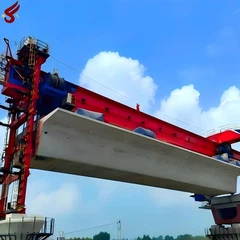
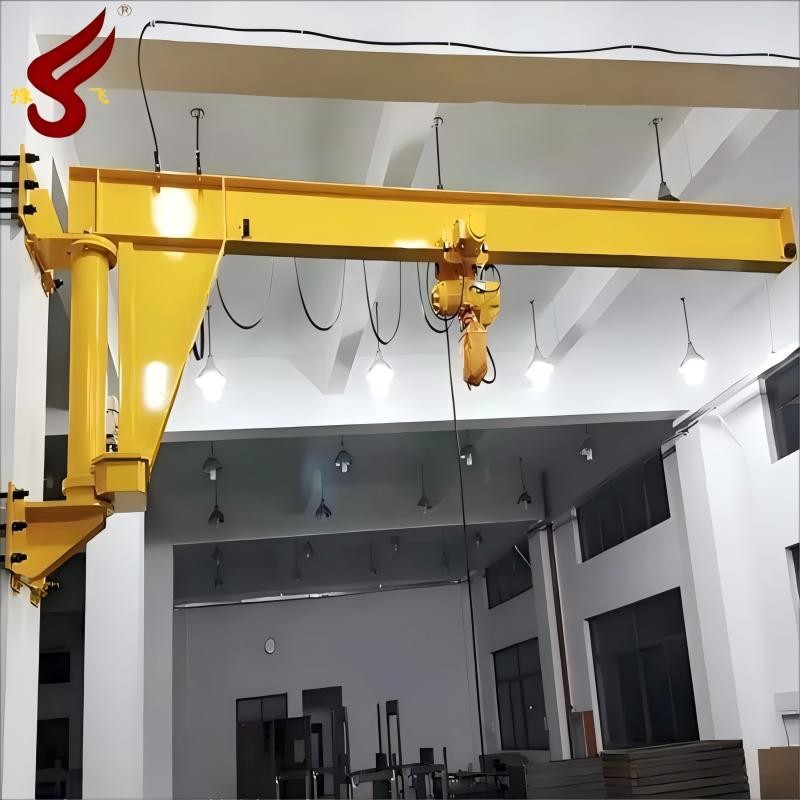
Hey there! As a supplier of cantilever cranes, I've seen firsthand how these versatile machines can make a huge difference in various industrial settings. Whether it's a Mobile Jib Crane, Wall Mounted Jib Crane, or Fixed Column Jib Crane, they all need proper maintenance to keep them running smoothly and safely. In this blog, I'll share with you the essential maintenance requirements for cantilever cranes.
Regular Inspections
One of the most important aspects of cantilever crane maintenance is regular inspections. These inspections should be carried out on a daily, weekly, monthly, and annual basis, depending on the usage and working conditions of the crane.

Daily Inspections
- Visual Check: Before each use, give the crane a quick visual once - over. Look for any obvious signs of damage, such as cracks, dents, or loose parts. Check the hooks for any signs of wear or deformation. Make sure the safety latches on the hooks are working properly.
- Function Testing: Test the basic functions of the crane, including the hoisting, lowering, and slewing operations. Listen for any unusual noises or vibrations during these tests. If you notice anything out of the ordinary, stop using the crane immediately and have it checked by a professional.
Weekly Inspections
- Lubrication Check: Check the lubrication levels of all moving parts, such as the bearings, gears, and chains. Make sure there is enough lubricant to reduce friction and prevent premature wear. If the lubricant levels are low, add the appropriate type of lubricant as recommended by the manufacturer.
- Electrical System Inspection: Inspect the electrical cables and connections for any signs of damage or loose connections. Check the control panel for any error messages or malfunction indicators. A faulty electrical system can not only cause the crane to malfunction but also pose a serious safety hazard.
Monthly Inspections
- Structural Integrity: Inspect the structural components of the crane, such as the columns, booms, and arms. Look for any signs of corrosion, fatigue, or stress cracks. Use non - destructive testing methods, such as ultrasonic testing or magnetic particle testing, if necessary, to detect any hidden defects.
- Brake System Check: Test the brake system of the crane to ensure that it is functioning properly. Check the brake pads for wear and replace them if they are worn beyond the recommended limit. Make sure the brakes can hold the load securely during hoisting and lowering operations.
Annual Inspections
- Comprehensive Testing: Conduct a comprehensive test of the crane's performance, including its lifting capacity, speed, and accuracy. This may require the use of specialized testing equipment and should be carried out by a qualified inspector.
- Calibration: Calibrate all the measuring instruments and sensors on the crane, such as the load cells and limit switches. This ensures that the crane operates within the specified parameters and provides accurate readings.
Lubrication
Proper lubrication is crucial for the smooth operation and longevity of a cantilever crane. Different parts of the crane require different types of lubricants, so it's important to use the right lubricant for each application.
- Bearings: Bearings are one of the most critical components of a crane, and they require regular lubrication to reduce friction and prevent wear. Use high - quality bearing grease that is suitable for the operating conditions of the crane, such as high - temperature or high - load applications.
- Gears and Chains: Gears and chains also need to be lubricated regularly to ensure smooth power transmission. Use a gear oil or chain lubricant that provides good adhesion and anti - wear properties.
- Sliding Surfaces: The sliding surfaces of the crane, such as the boom and slewing ring, should be lubricated to reduce friction and prevent galling. Use a dry film lubricant or a low - friction coating for these applications.
Cleaning
Keeping the cantilever crane clean is an often - overlooked aspect of maintenance, but it can have a significant impact on its performance and lifespan.
- Remove Debris: Regularly remove any dirt, dust, or debris from the crane's surfaces. This can prevent the accumulation of corrosive substances and reduce the risk of mechanical failures.
- Clean Electrical Components: Clean the electrical components of the crane, such as the control panel and motor, to prevent dust and moisture from causing short - circuits or other electrical problems. Use a dry, clean cloth or a compressed air gun to clean these components.
Safety Equipment Maintenance
Safety equipment is an essential part of any cantilever crane, and it needs to be maintained regularly to ensure its effectiveness.
- Load Limiters: The load limiter is a critical safety device that prevents the crane from overloading. Test the load limiter regularly to make sure it is functioning properly. Have it calibrated by a qualified technician at least once a year.
- Emergency Stop Buttons: Check the emergency stop buttons to ensure that they are easily accessible and in working condition. Test them periodically to make sure they can stop the crane's operation immediately in case of an emergency.
- Safety Guards: Inspect the safety guards on the crane, such as the guards around the moving parts and the access platforms. Make sure they are in place and in good condition to prevent workers from coming into contact with dangerous parts of the crane.
Training and Operator Awareness
Even with the best maintenance practices, a cantilever crane is only as safe and reliable as its operators. Providing proper training to crane operators is essential for preventing accidents and ensuring the proper use of the crane.
- Operator Training: Train crane operators on the proper operation, maintenance, and safety procedures of the cantilever crane. Make sure they understand the crane's capabilities and limitations and know how to respond to emergency situations.
- Safety Awareness: Promote safety awareness among all workers who are in the vicinity of the crane. Post safety signs and labels around the crane area and conduct regular safety meetings to remind workers of the potential hazards and safety precautions.
In conclusion, proper maintenance of a cantilever crane is essential for its safe and efficient operation. By following the maintenance requirements outlined above, you can extend the lifespan of your crane, reduce the risk of breakdowns and accidents, and ensure that your crane continues to perform at its best.
If you're in the market for a new cantilever crane or need help with the maintenance of your existing crane, don't hesitate to reach out. We're here to provide you with high - quality products and professional maintenance services. Contact us today to start a discussion about your requirements and let's find the perfect solution for your business.
References
- Crane Manufacturer's Maintenance Manuals
- Industry Standards for Crane Maintenance (e.g., OSHA regulations)