


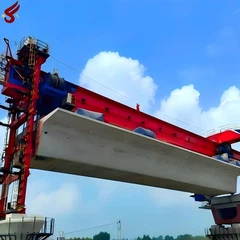
Hey there! As a supplier of Mobile Jib Cranes, I often get asked about the shock resistance of these nifty pieces of equipment. So, let's dive right in and explore what shock resistance means for a Mobile Jib Crane.
First off, what is shock resistance in the context of a Mobile Jib Crane? Well, it's all about how well the crane can handle sudden impacts or jolts without getting damaged or losing its functionality. You know, in a busy industrial or construction site, things can get a little chaotic. There might be accidental bumps, quick stops, or even the impact of heavy loads being dropped onto the crane's hook. That's where shock resistance comes into play.
One of the key factors that contribute to a Mobile Jib Crane's shock resistance is its structural design. A well - built crane is like a sturdy soldier on the battlefield. The frame of the crane needs to be made from high - quality materials. Most of the time, we use strong steel alloys. These materials have high tensile strength, which means they can withstand a lot of force before they start to deform. For example, the columns and the boom of the crane are usually made from thick steel plates that are welded together with precision. This welding process ensures that the joints are strong and can transfer the shock forces evenly throughout the structure.
Another important aspect is the base of the Mobile Jib Crane. Since it's mobile, the base needs to be stable enough to absorb shocks. Our Mobile Jib Cranes typically have a wide and heavy base. This base acts as a counterweight, helping to keep the crane balanced when there's a sudden impact. It also spreads out the shock forces over a larger area, reducing the stress on any single part of the crane. Some of our models even come with special shock - absorbing pads on the base. These pads can further dampen the vibrations caused by shocks, making the crane more stable and less likely to tip over.
The hoisting mechanism of the Mobile Jib Crane also plays a crucial role in its shock resistance. The hoist is responsible for lifting and lowering the loads. It needs to be able to handle sudden changes in the load's weight or movement. We use high - quality hoists with advanced braking systems. These brakes can quickly stop the hoist in case of a sudden shock, preventing the load from swinging wildly and causing more damage. Additionally, the ropes or chains used in the hoist are made from strong and durable materials. They can stretch a little under shock, which helps to absorb some of the energy and reduce the stress on the hoist and the rest of the crane.
Now, let's talk about how shock resistance affects the performance and lifespan of a Mobile Jib Crane. A crane with good shock resistance can operate more smoothly and reliably. It's less likely to break down due to sudden impacts, which means less downtime for repairs. This is especially important in industries where time is money, like manufacturing or construction. A reliable Mobile Jib Crane can keep the workflow going without any major interruptions.
In terms of lifespan, a shock - resistant crane will last longer. The constant exposure to shocks can cause wear and tear on the crane's components. But if the crane is designed to handle these shocks, the components will experience less stress and will last longer. This saves you money in the long run because you won't have to replace parts as often.
When comparing Mobile Jib Cranes with other types of jib cranes, like the Wall Mounted Jib Crane and the Fixed Column Jib Crane, the shock resistance requirements are a bit different. Wall Mounted Jib Cranes are attached to a wall, so they rely on the wall's support to handle shocks. Fixed Column Jib Cranes are fixed to the ground, which gives them a more stable base. However, Mobile Jib Cranes need to be self - sufficient in terms of shock resistance because they can be moved around.
So, how do we test the shock resistance of our Mobile Jib Cranes? We have a series of rigorous tests in our factory. We simulate different types of shocks, such as sudden stops, impacts from heavy objects, and vibrations. During these tests, we measure the stress on different parts of the crane using sensors. We also check the functionality of the crane after each test to make sure it's still working properly. Only when a crane passes all these tests do we consider it ready for the market.
In conclusion, the shock resistance of a Mobile Jib Crane is a complex but essential characteristic. It depends on the structural design, the base, the hoisting mechanism, and other factors. A crane with good shock resistance can provide reliable and long - lasting service in various industrial and construction environments.
If you're in the market for a Mobile Jib Crane, you'll want to consider its shock resistance. Our Mobile Jib Crane models are designed with the highest standards of shock resistance in mind. We're confident that they can meet your needs and withstand the toughest working conditions.
If you have any questions or want to discuss your specific requirements for a Mobile Jib Crane, don't hesitate to reach out. We're here to help you make the right choice for your business.
References:


- Crane Manufacturer's Handbook: Structural Design and Safety Standards
- Industrial Equipment Testing Guidelines for Mobile Cranes