


Hey there! As a supplier of Fixed Column Jib Cranes, I often get asked about the power consumption of these nifty machines. So, I thought I'd sit down and write a blog post to shed some light on this topic.
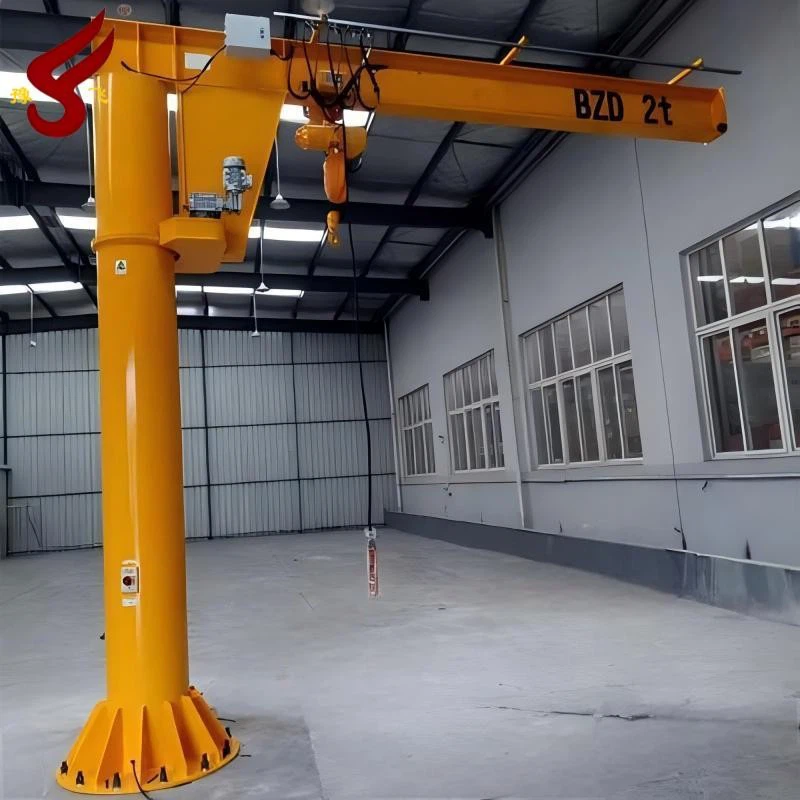
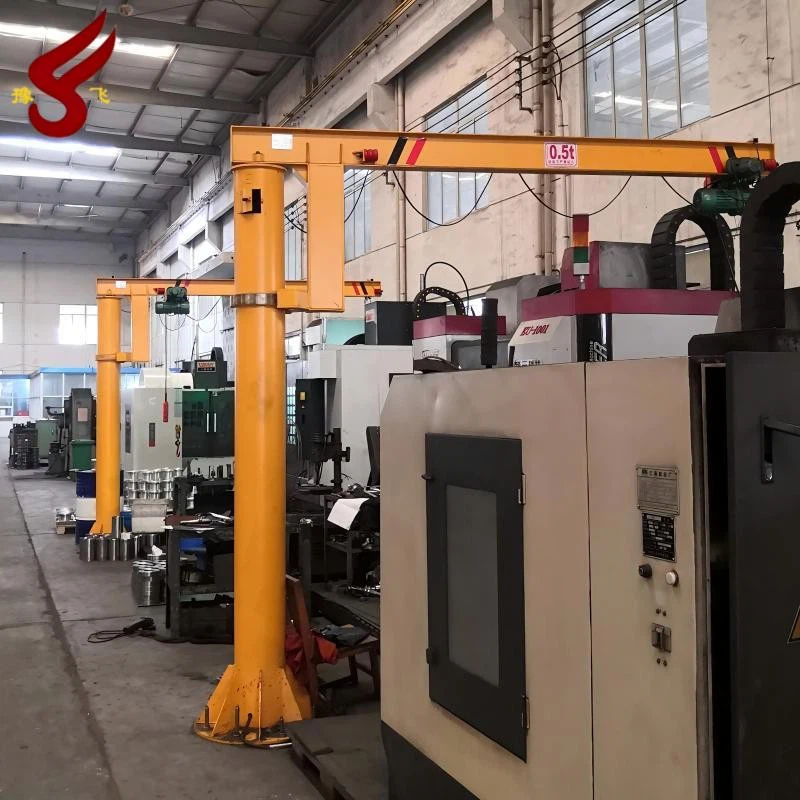
First off, let's talk a bit about what a Fixed Column Jib Crane is. It's a type of crane that's fixed to a column or a base on the floor. These cranes are super handy in industrial settings, workshops, and warehouses. They can lift and move heavy loads within a specific radius, making them a great addition to any workspace. You can check out more about them on our Fixed Column Jib Crane page.
Now, onto the main question: What is the power consumption of a Fixed Column Jib Crane? Well, it's not a one - size - fits - all answer. There are several factors that can affect the power consumption of these cranes.
Factors Affecting Power Consumption
1. Crane Capacity
The capacity of the crane, which is the maximum weight it can lift, plays a huge role in power consumption. A crane with a higher capacity will generally consume more power. For example, a Fixed Column Jib Crane that can lift 5 tons will use more electricity than one that can only lift 1 ton. This is because more power is needed to operate the motor and other components to handle the heavier load.
2. Lifting Height and Radius
The height to which the load is lifted and the radius within which the crane can move the load also impact power consumption. If you need to lift a load to a greater height or move it over a larger radius, the crane will have to work harder, and thus, consume more power. Imagine trying to lift a heavy box up a tall ladder versus just a few steps. The former requires more effort, and it's the same for the crane.
3. Duty Cycle
The duty cycle of the crane refers to how often it's in use. A crane with a high duty cycle, meaning it's operating for long periods without much rest, will consume more power over time. If a crane is used intermittently, say for a few minutes every hour, its power consumption will be lower compared to one that's running continuously throughout the day.
4. Motor Efficiency
The efficiency of the motor in the crane is another crucial factor. A more efficient motor will convert electrical energy into mechanical energy more effectively, resulting in lower power consumption. Modern cranes often come with high - efficiency motors that are designed to save energy.
Calculating Power Consumption
To calculate the power consumption of a Fixed Column Jib Crane, you need to know a few key things. First, you need to find out the power rating of the motor, which is usually given in kilowatts (kW). This information can be found in the crane's technical specifications.
Let's say the motor of a Fixed Column Jib Crane has a power rating of 3 kW. If the crane is running continuously for 1 hour, the energy consumption can be calculated using the formula: Energy (kWh) = Power (kW) x Time (h). So, in this case, the energy consumption would be 3 kW x 1 h = 3 kWh.
However, in real - world scenarios, the crane doesn't run continuously. You need to take into account the duty cycle. If the crane has a duty cycle of 50%, meaning it's running for half of the time, and it's supposed to operate for 8 hours a day, then the actual energy consumption would be 3 kW x 8 h x 0.5 = 12 kWh.
Comparing with Other Types of Jib Cranes
It's also interesting to compare the power consumption of Fixed Column Jib Cranes with other types of jib cranes, like Wall Mounted Jib Cranes and Mobile Jib Cranes.
Wall Mounted Jib Cranes are attached to a wall or a building structure. They usually have a smaller lifting capacity and a more limited radius compared to Fixed Column Jib Cranes. As a result, their power consumption is often lower. They're great for smaller work areas where space is limited.
Mobile Jib Cranes, on the other hand, are designed to be moved around. They may have additional components for mobility, such as wheels and a steering mechanism. These extra components can increase the power consumption, especially if the crane is moving frequently while carrying a load.
Energy - Saving Tips
If you're looking to reduce the power consumption of your Fixed Column Jib Crane, here are some tips:
- Optimize the Load: Only lift the weight that's necessary. Overloading the crane not only increases power consumption but also puts unnecessary stress on the components.
- Maintain the Crane: Regular maintenance, such as lubricating the moving parts and checking the motor, can ensure that the crane operates efficiently. A well - maintained crane will consume less power.
- Use the Right Speed: Adjust the lifting and moving speed according to the load. Using a lower speed for lighter loads can save energy.
Conclusion
So, there you have it! The power consumption of a Fixed Column Jib Crane depends on various factors like capacity, lifting height, duty cycle, and motor efficiency. By understanding these factors, you can make more informed decisions about using the crane and even take steps to reduce its power consumption.
If you're in the market for a Fixed Column Jib Crane or have any questions about power consumption or other aspects of these cranes, don't hesitate to reach out. We're here to help you find the best solution for your lifting needs. Let's start a conversation and see how we can work together to get you the right crane for your business.
References
- Crane Manufacturer's Technical Manuals
- Industrial Crane Industry Reports