


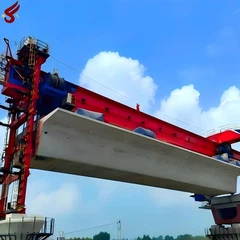
As a seasoned supplier of electric hoists, I've fielded numerous inquiries regarding the safe operational limits of our equipment, especially in outdoor environments. One question that frequently arises is, "What is the maximum wind speed at which an electric hoist can operate outdoors?" This is a crucial concern, as operating an electric hoist in high - wind conditions can pose significant safety risks and potentially damage the equipment.
Understanding the Impact of Wind on Electric Hoists
Wind can exert a substantial force on an electric hoist and its load. When the wind blows, it creates a lateral force that can cause the hoist and the suspended load to sway. This swaying not only makes it difficult to control the hoist precisely but also increases the stress on the lifting components, such as the ropes, chains, and hooks. In extreme cases, high - wind conditions can even lead to the load breaking free or the hoist toppling over.
The impact of wind on an electric hoist is influenced by several factors, including the size and shape of the hoist, the weight and shape of the load, and the height at which the load is suspended. For instance, a large, flat - shaped load will experience more wind resistance than a small, compact one. Similarly, a hoist operating at a greater height will be more exposed to higher wind speeds.


Determining the Maximum Wind Speed
There isn't a one - size - fits - all answer to the question of the maximum wind speed for outdoor electric hoist operation. Different types of electric hoists have different wind - resistance capabilities, and industry standards and regulations also play a role in setting the limits.
In general, most manufacturers recommend that electric hoists should not be operated outdoors when the wind speed exceeds 10 - 12 m/s (22 - 27 mph). This speed limit is based on the assumption that the hoist is in good working condition, the load is properly balanced, and the operator is following all safety procedures.
However, for some heavy - duty electric hoists designed for more challenging environments, the maximum wind speed may be slightly higher. These hoists are often equipped with additional stability features, such as wider bases and stronger support structures, which allow them to withstand higher wind forces.
Industry Standards and Regulations
Industry standards and local regulations also have a significant impact on the maximum wind speed for electric hoist operation. For example, the Occupational Safety and Health Administration (OSHA) in the United States has strict guidelines regarding the safe use of lifting equipment. While OSHA does not specify a particular wind speed limit for electric hoists, it requires employers to assess the working conditions and take appropriate measures to ensure the safety of workers.
In some regions, local building codes or safety regulations may set specific wind speed limits for outdoor construction and lifting operations. It is essential for operators and employers to familiarize themselves with these regulations and comply with them to avoid potential legal issues and ensure the safety of everyone on the job site.
Our Electric Hoist Offerings
At our company, we offer a wide range of electric hoists suitable for various applications, including outdoor use. Our HB Type Explosion Proof Electric Hoist is designed for use in hazardous environments where there is a risk of explosion. It is built with high - quality materials and advanced safety features to ensure reliable operation even in challenging conditions.
The European - Style Electric Hoist is another popular choice. It features a compact design, high efficiency, and smooth operation. This hoist is suitable for a variety of industries, including manufacturing, logistics, and construction.
For applications in the metallurgical industry, our Metallurgical Electric Hoist is the ideal solution. It is specifically designed to withstand the high temperatures and harsh conditions commonly found in metallurgical plants.
Safety Measures for Operating in Windy Conditions
Even when the wind speed is within the recommended limit, it is crucial to take additional safety measures when operating an electric hoist outdoors. Here are some tips:
- Inspect the Equipment: Before starting the hoist, thoroughly inspect it for any signs of damage or wear. Check the ropes, chains, hooks, and other components to ensure they are in good working condition.
- Secure the Load: Make sure the load is properly balanced and secured to the hoist. Use appropriate slings and fasteners to prevent the load from shifting or falling during operation.
- Monitor the Wind Conditions: Continuously monitor the wind speed and direction during the operation. If the wind speed increases or becomes gusty, stop the operation immediately and secure the hoist and the load.
- Use Wind - Monitoring Devices: Consider using wind - monitoring devices, such as anemometers, to accurately measure the wind speed. This will help you make informed decisions about whether it is safe to operate the hoist.
Conclusion
Determining the maximum wind speed at which an electric hoist can operate outdoors is a complex issue that depends on various factors, including the type of hoist, the load characteristics, and industry standards. As a responsible electric hoist supplier, we always prioritize safety and provide our customers with the necessary information and guidance to ensure the safe use of our products.
If you are in the market for an electric hoist for outdoor use, we encourage you to contact us for more information. Our team of experts can help you select the right hoist for your specific needs and provide you with detailed instructions on how to operate it safely in windy conditions. Whether you need a standard electric hoist or a specialized one for a particular industry, we have the solution for you. Let's work together to ensure your lifting operations are efficient, reliable, and, most importantly, safe.
References
- OSHA Guidelines for Lifting Equipment Safety
- Manufacturer's Manuals for Electric Hoists
- Industry Research on Wind Effects on Lifting Equipment