




Hey there! As a supplier of CD1 MD1 Type Electric Hoists, I often get asked about the installation time required for these bad boys. So, I thought I'd sit down and write a blog post to give you all the deets.
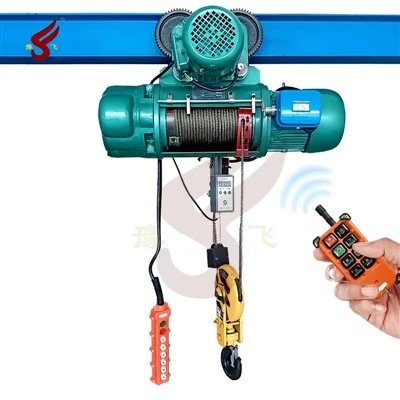
First off, let's talk about what the CD1 MD1 Type Electric Hoist is. It's a popular type of hoist used in various industries for lifting and moving heavy loads. These hoists are known for their reliability, efficiency, and durability. They come in different capacities and configurations to suit different needs.
Now, the installation time for a CD1 MD1 Type Electric Hoist can vary depending on several factors. Let's break them down one by one.
1. Complexity of the Installation Site
The first thing that affects the installation time is the complexity of the site where the hoist will be installed. If it's a simple, straightforward installation in a well - structured industrial building with easy access and proper infrastructure, the installation can be relatively quick. For example, if the building has pre - installed beams that are suitable for mounting the hoist, and there are no obstructions or difficult access points, the installation crew can get in, do their job, and get out in a relatively short time.
On the other hand, if the installation site is in a tight space, has a lot of existing equipment, or requires special modifications to the building structure, it can take much longer. Maybe the building's beams need to be reinforced or adjusted to support the hoist's weight. Or perhaps there are other systems in the area that need to be temporarily shut down or rerouted during the installation process. In such cases, the installation time can be significantly extended.
2. Hoist Capacity and Configuration
The capacity and configuration of the CD1 MD1 Type Electric Hoist also play a big role in the installation time. A smaller capacity hoist is generally easier and quicker to install than a larger one. A small - capacity hoist might weigh less, have fewer components, and require less complex mounting procedures.
For instance, a 1 - ton CD1 MD1 Electric Hoist might be installed in a day or two, depending on the site conditions. But a 10 - ton hoist, which is much heavier and has more powerful motors and larger components, could take several days to install. The larger hoist may require more precise alignment and calibration to ensure safe and proper operation.
Also, if the hoist has additional features or configurations, like a special control system or a custom - made lifting hook, it can add to the installation time. These extra features need to be installed and integrated properly with the main hoist system.
3. Experience of the Installation Team
The experience of the installation team is another crucial factor. A well - trained and experienced team can work more efficiently and quickly than a less experienced one. They know the best practices for installing CD1 MD1 Type Electric Hoists, can anticipate potential problems, and have the skills to solve them on the spot.
An experienced team can also work more safely, which is extremely important when dealing with heavy equipment. They'll follow all the safety protocols and guidelines, which might seem like it slows things down, but in the long run, it actually saves time by preventing accidents and re - work.
Average Installation Time Estimates
Based on my experience as a supplier, for a standard CD1 MD1 Type Electric Hoist with a capacity of around 2 - 5 tons in a relatively simple installation site, the installation can usually be completed within 2 - 3 working days. This includes the time for unpacking the hoist, mounting it on the beam, connecting the electrical wiring, and conducting initial tests.
If the hoist has a larger capacity, say 10 - 20 tons, and the installation site is a bit more complex, it could take anywhere from 3 - 5 working days. And for very large - capacity hoists or installations in extremely challenging sites, it might even take a week or more.
Other Considerations
It's important to note that the installation time doesn't just involve the physical installation of the hoist. There are also some pre - installation and post - installation tasks that need to be considered.
Before the installation, there's the site inspection. A team needs to visit the site to assess its suitability for the hoist installation. They'll check the beam strength, the electrical supply, and the overall layout of the area. This site inspection can take a day or two, depending on the complexity of the site.

After the installation, there are tests and commissioning procedures. The hoist needs to be tested under different load conditions to ensure it's working properly. Any adjustments or fine - tuning that are needed will also be done during this time. This post - installation testing and commissioning can take another day or so.
Related Electric Hoist Products
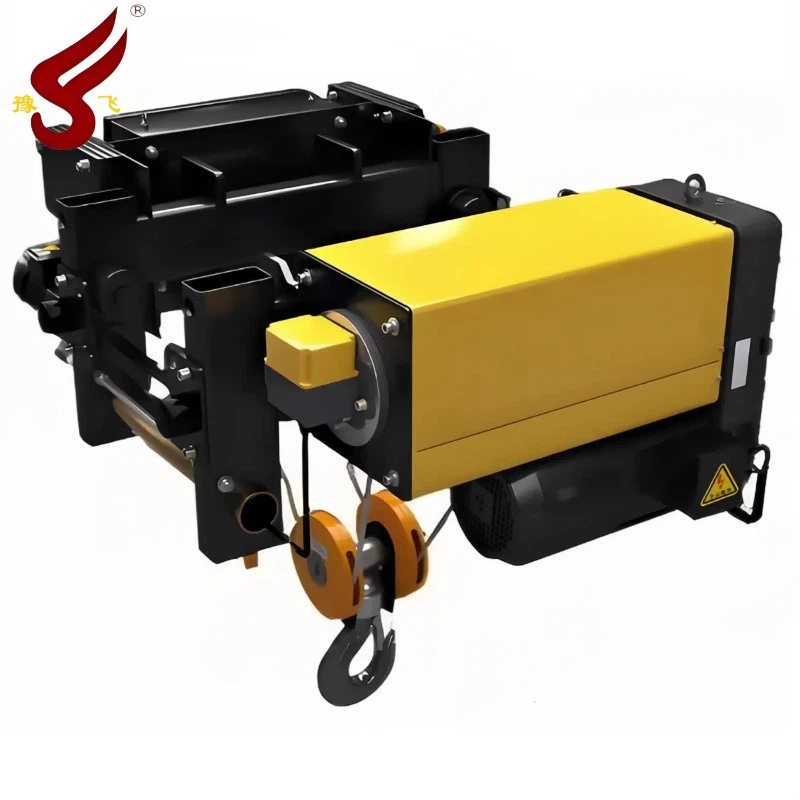
If you're interested in other types of electric hoists, we also offer some great options. Check out our Low Headroom Electric Hoist, which is perfect for spaces with limited vertical clearance. We also have the HB Type Explosion Proof Electric Hoist for use in hazardous environments. And for the metallurgical industry, our Metallurgical Electric Hoist is a top - notch choice.
Contact Us for Purchasing
If you're in the market for a CD1 MD1 Type Electric Hoist or any of our other products, don't hesitate to get in touch. We can provide you with detailed quotes, answer all your questions, and help you with the installation process. Whether you're a small business or a large industrial corporation, we've got the right hoist for your needs.
References
- General knowledge and experience in the electric hoist industry.
- Industry standards and guidelines for electric hoist installation.