


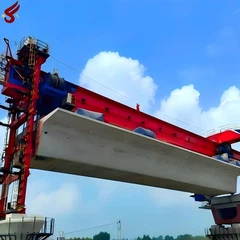
Hey there! As a supplier of Shipbuilding Gantry Cranes, I've been in the industry long enough to know how crucial it is to understand the international standards for these beasts of machinery. So, let's dive right in and explore what these standards are all about.
Why International Standards Matter
First off, why do we even need international standards for Shipbuilding Gantry Cranes? Well, shipbuilding is a global industry. Ships are built in one country, might be owned by a company in another, and sail all over the world. Having international standards ensures safety, reliability, and compatibility across different regions and shipyards.
Think about it like this: if every shipyard used its own set of rules for building gantry cranes, it would be a total mess. Cranes from one shipyard might not work well with the ships being built in another. And most importantly, safety would be at risk. International standards act as a common language that everyone in the industry can understand and follow.
Key International Standards
There are several key international standards that govern the design, manufacture, and operation of Shipbuilding Gantry Cranes. One of the most well - known is the ISO (International Organization for Standardization) standards. ISO has a series of standards related to cranes in general, and many of these apply directly to Shipbuilding Gantry Cranes.
ISO 4301 - 1: This standard defines the classification of cranes according to their use and load - carrying capacity. For Shipbuilding Gantry Cranes, this is super important because different shipbuilding projects might require cranes with different load - handling capabilities. Whether you're building a small fishing vessel or a massive container ship, the crane needs to be classified correctly to ensure it can handle the job safely.


ISO 4306: This standard provides definitions for all the terms related to cranes. It might seem like a small thing, but having clear and consistent definitions is essential. For example, when we're talking about the "span" of a Shipbuilding Gantry Crane, everyone in the industry needs to know exactly what that means. This standard makes sure there's no confusion.
Another important set of standards comes from the FEM (Federation of European Material Handling). The FEM standards are widely recognized and used in the crane industry. They provide detailed guidelines on the design, calculation, and operation of cranes. For Shipbuilding Gantry Cranes, the FEM standards cover everything from the strength of the crane structure to the performance of the hoisting mechanism.
Design and Construction Standards
When it comes to the design and construction of Shipbuilding Gantry Cranes, international standards have very specific requirements.
Structural Integrity: The crane structure needs to be strong enough to withstand the loads it will encounter during its operation. This includes not only the weight of the loads being lifted but also dynamic loads such as wind forces and the impact of starting and stopping the crane. Standards specify the materials that can be used, the minimum thickness of the structural members, and the welding procedures to ensure a reliable and safe structure.
Hoisting and Lifting Mechanisms: The hoisting and lifting mechanisms are the heart of the Shipbuilding Gantry Crane. Standards require that these mechanisms are designed to be highly reliable and efficient. For example, the hoisting ropes or chains need to have a certain minimum breaking strength, and the braking systems need to be able to stop the load safely in case of an emergency.
Electrical Systems: In modern Shipbuilding Gantry Cranes, electrical systems play a crucial role. International standards set requirements for the electrical safety of the crane. This includes proper grounding, protection against short - circuits, and the use of electrical components that are suitable for the harsh shipyard environment.
Safety Standards
Safety is always the top priority in the shipbuilding industry, and international standards for Shipbuilding Gantry Cranes reflect this.
Operator Safety: Standards require that cranes are equipped with safety features to protect the operators. This includes things like operator cabins that are designed to be safe from external hazards, such as falling objects. There also need to be proper controls and displays in the cabin so that the operator can operate the crane safely and efficiently.
Load Safety: Ensuring the safety of the loads being lifted is also a key aspect. Cranes need to be equipped with load - limiting devices that prevent overloading. These devices can automatically stop the hoisting mechanism if the load exceeds a certain limit, preventing accidents.
Environmental Safety: Shipyards are often located near water bodies, and it's important to ensure that the operation of Shipbuilding Gantry Cranes doesn't have a negative impact on the environment. Standards might require that cranes are designed to prevent oil spills from hydraulic systems and that they are equipped with proper waste management systems.
Our Company's Compliance
As a Shipbuilding Gantry Crane supplier, we take these international standards very seriously. Our cranes are designed and manufactured in strict accordance with ISO and FEM standards. We use high - quality materials and state - of - the - art manufacturing processes to ensure that our cranes meet or exceed all the requirements.
We also offer a range of different types of gantry cranes to meet the diverse needs of our customers. For example, we have the MZ Type Grab Bucket Gantry Crane, which is great for handling bulk materials in shipyards. And of course, our Shipbuilding Gantry Crane is specifically designed for the shipbuilding process, with features that enhance safety and efficiency. We also have the SDMQ Type Hydroelectric Power Station Gantry Crane, which can be used in related power - station projects in addition to shipyards.
Contact Us for Your Shipbuilding Needs
If you're in the shipbuilding industry and looking for a reliable Shipbuilding Gantry Crane supplier, we'd love to hear from you. Whether you're starting a new shipbuilding project or need to upgrade your existing crane, we have the expertise and the products to meet your needs. Contact us today to discuss your requirements and let's work together to build the best cranes for your shipyard.
References
- International Organization for Standardization (ISO). ISO 4301 - 1: Crane Classification.
- International Organization for Standardization (ISO). ISO 4306: Vocabulary for Cranes.
- Federation of European Material Handling (FEM). FEM Design Rules for Cranes.