


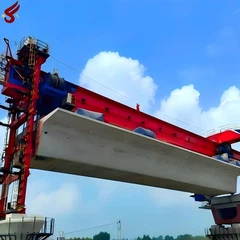
As a reputable cantilever crane supplier, I've witnessed firsthand the diverse challenges that users face with these indispensable pieces of equipment. Cantilever cranes, known for their flexibility and efficiency in material handling, come in various types such as Wall Mounted Jib Crane, Mobile Jib Crane, and Fixed Column Jib Crane. Despite their reliability, they are not immune to failures. In this blog, I'll discuss some common failures of cantilever cranes and provide practical solutions to address them.
1. Structural Failures
1.1 Cracks in the Boom
One of the most critical structural issues is the development of cracks in the boom. These cracks can be caused by excessive loading, fatigue from repeated use, or improper installation. Over time, the stress on the boom during lifting operations can lead to micro - cracks that gradually grow and compromise the integrity of the structure.
Solution: Regular inspections are crucial to detect cracks early. Use non - destructive testing methods such as ultrasonic testing or magnetic particle inspection. If a crack is detected, depending on its size and location, it may be possible to repair it by welding. However, for large or critical cracks, replacing the affected section of the boom may be necessary. It's also essential to ensure that the crane is operated within its specified load capacity to prevent further damage.
1.2 Loose Bolts and Fasteners
Vibrations during crane operation can cause bolts and fasteners to loosen over time. This is a common problem, especially in mobile jib cranes that are frequently moved. Loose bolts can lead to misalignment of components, which in turn can increase stress on other parts of the crane and potentially cause more significant failures.
Solution: Implement a regular maintenance schedule that includes checking and tightening all bolts and fasteners. Use locking washers or thread - locking compounds to prevent loosening. For critical connections, consider using torque wrenches to ensure that the bolts are tightened to the correct specifications.
2. Mechanical Failures
2.1 Hoist Malfunctions
The hoist is a vital component of a cantilever crane, responsible for lifting and lowering loads. Common hoist failures include motor failures, brake problems, and chain or wire rope issues. Motor failures can be caused by overheating, electrical problems, or mechanical wear. Brake problems may result in the load not holding securely or the hoist not stopping properly. Chain or wire rope damage can occur due to abrasion, corrosion, or excessive wear.
Solution: For motor failures, check the electrical connections and the motor's cooling system. If the motor is damaged beyond repair, it should be replaced. Regularly inspect the brakes for proper adjustment and wear. Replace worn brake pads or shoes as needed. For chain or wire rope issues, inspect them visually for signs of damage such as kinks, fraying, or corrosion. Replace damaged chains or wire ropes immediately to avoid accidents.
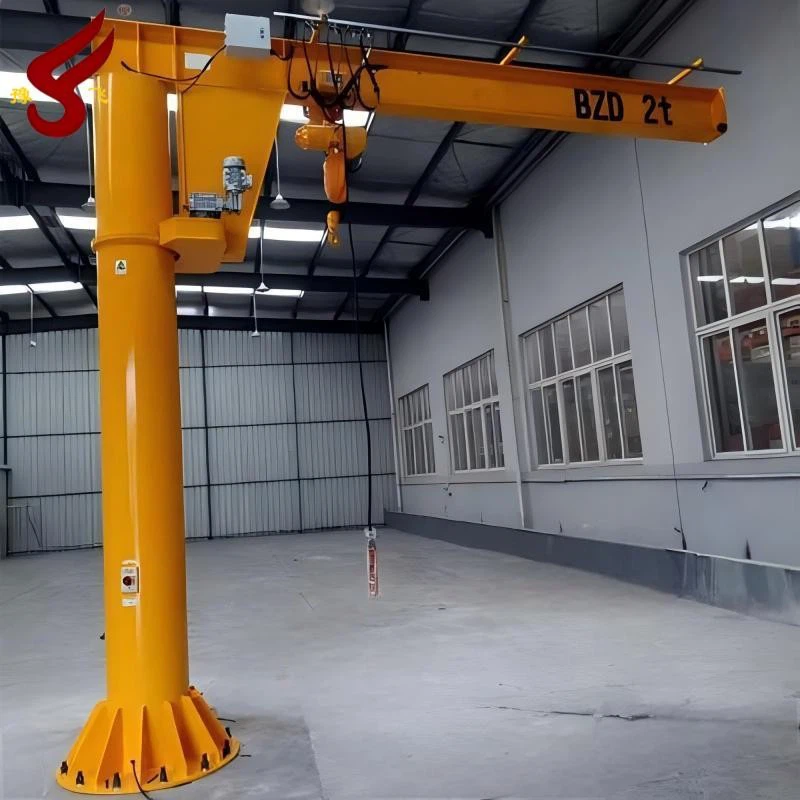
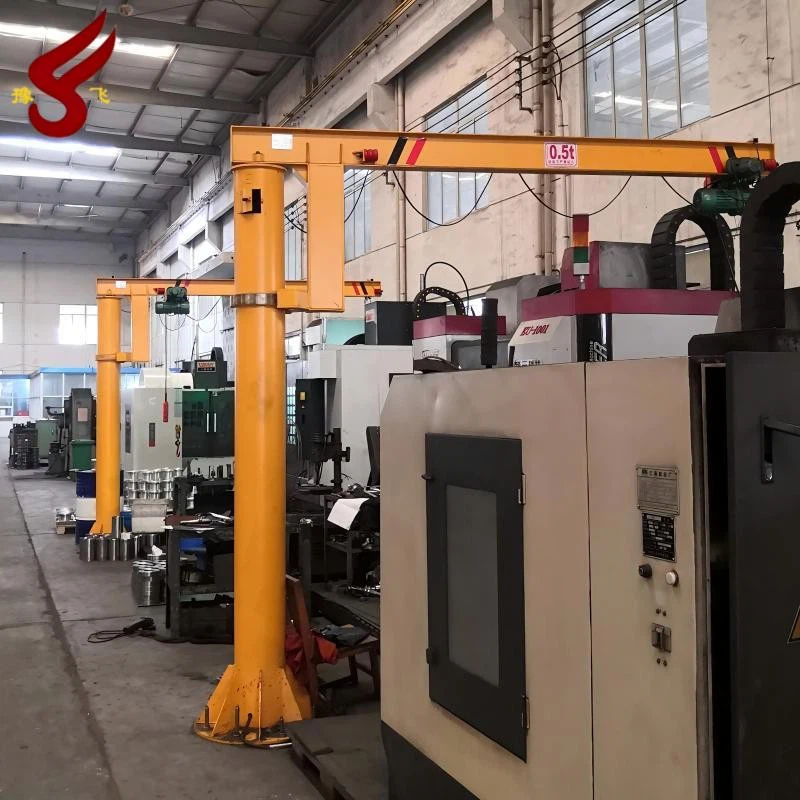
2.2 Gearbox Problems
Gearboxes in cantilever cranes are used to transfer power from the motor to the hoist or the slewing mechanism. Gearbox failures can be caused by improper lubrication, overloading, or wear and tear. Symptoms of gearbox problems include unusual noises, vibration, and reduced efficiency.
Solution: Ensure that the gearbox is properly lubricated according to the manufacturer's recommendations. Regularly check the oil level and quality, and change the oil at the recommended intervals. If there are signs of gear damage, such as pitting or scoring, the gearbox may need to be disassembled and the damaged gears replaced.
3. Electrical Failures
3.1 Electrical Short Circuits
Electrical short circuits can occur due to damaged wiring, loose connections, or moisture ingress. Short circuits can cause the crane to malfunction, trip circuit breakers, or even pose a fire hazard.
Solution: Inspect the electrical wiring regularly for signs of damage, such as frayed insulation or exposed wires. Tighten all electrical connections to prevent loose contacts. Keep the electrical components dry and protected from moisture. If a short circuit occurs, use a multimeter to locate the fault and repair or replace the damaged wiring.
3.2 Control System Failures
The control system of a cantilever crane allows the operator to control the movement of the crane. Failures in the control system can result in erratic movement, unresponsive controls, or complete loss of control. These failures can be caused by software glitches, faulty sensors, or damaged control panels.
Solution: If there are software glitches, try resetting the control system or updating the software to the latest version. Inspect the sensors for proper operation and replace any faulty sensors. For damaged control panels, they may need to be repaired or replaced.
4. Operational Failures
4.1 Overloading
Overloading is a common operational failure that can cause significant damage to the crane and pose a serious safety risk. Operators may accidentally exceed the crane's rated load capacity due to incorrect weight estimation or improper use of the crane.
Solution: Provide comprehensive training to crane operators on load capacity, weight estimation, and safe operating procedures. Install load limiters on the crane to prevent overloading. These devices can automatically stop the hoist when the load exceeds the rated capacity.
4.2 Improper Installation and Alignment
Improper installation and alignment of the cantilever crane can lead to uneven loading, excessive stress on components, and premature wear. This can occur if the crane is not installed on a level surface, or if the components are not aligned correctly during installation.
Solution: Ensure that the crane is installed by qualified technicians who follow the manufacturer's installation instructions carefully. Use leveling devices to ensure that the crane is installed on a flat and stable surface. After installation, perform a thorough alignment check and make any necessary adjustments.
Conclusion
In conclusion, while cantilever cranes are reliable and efficient material handling equipment, they are prone to various failures. By understanding the common failures and implementing appropriate solutions, users can ensure the safe and efficient operation of their cranes. As a cantilever crane supplier, I am committed to providing high - quality products and comprehensive after - sales support. If you are facing any issues with your cantilever crane or are considering purchasing a new one, I encourage you to reach out to me for professional advice and solutions.
References
- Crane Manufacturer's Manuals
- Industry Standards for Crane Safety and Maintenance