


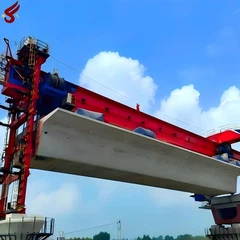
Hey there! As a supplier of Shipbuilding Gantry Cranes, I've been through the process of transporting these massive machines to installation sites more times than I can count. It's a challenging but super rewarding task, and I'm stoked to share some tips and insights with you on how to do it right.
Planning is Key
Before you even think about moving a Shipbuilding Gantry Crane, you need to have a solid plan in place. This involves a bunch of different factors, like the size and weight of the crane, the distance it needs to travel, the route it'll take, and any potential obstacles along the way.
First off, you gotta know the exact dimensions and weight of your crane. This info is crucial for figuring out what kind of transportation equipment you'll need. Shipbuilding Gantry Cranes are huge and heavy, so you're probably looking at using specialized heavy - haul trucks, flatbed trailers, or even shipping containers if it's going overseas.
Next, map out the route. Check for things like low bridges, narrow roads, and weight restrictions. You might need to get special permits if you're going to be exceeding the normal weight or size limits on certain roads. And don't forget about traffic! Try to schedule the transport during off - peak hours to avoid getting stuck in jams.
Disassembly
In most cases, you'll need to disassemble the Shipbuilding Gantry Crane before transporting it. This not only makes it easier to move but also reduces the risk of damage during transit.
Start by removing any loose parts, like electrical components, control panels, and small accessories. Make sure to label everything clearly so you know where it goes when it's time to reassemble.
Then, break down the main structure of the crane into manageable sections. This usually involves separating the girders, legs, and end carriages. Use proper lifting equipment and techniques to ensure a safe disassembly. For example, if you're using a smaller crane to assist with the disassembly, make sure it has the right capacity.
Choosing the Right Transportation Method
There are a few different ways to transport a Shipbuilding Gantry Crane, and the choice depends on several factors.
Road Transport
If the installation site is relatively close and accessible by road, heavy - haul trucks and flatbed trailers are a popular option. They offer flexibility in terms of routes and can be quickly mobilized. But you need to make sure the trucks are equipped to handle the weight and size of the crane sections. You might also need multiple trucks if the crane is really large.
Rail Transport
For longer distances, rail transport can be a cost - effective and efficient choice. Rail cars can carry heavy loads over long distances with less wear and tear on the crane components. However, you need to have access to a rail siding at both the starting point and the installation site. And there are usually more logistical challenges involved, like coordinating with the railway company and ensuring proper loading and unloading procedures.
Sea Transport
If the installation site is overseas or across a large body of water, sea transport is the way to go. You can use shipping containers or roll - on/roll - off (Ro - Ro) vessels. Shipping containers are great for protecting the crane parts from the elements, but they might require some additional packing and securing. Ro - Ro vessels are more convenient for larger crane sections as they can be driven on and off the ship.
Securing the Crane for Transport
Once you've chosen the transportation method, it's crucial to secure the crane sections properly. This prevents them from shifting, vibrating, or getting damaged during transit.


Use high - quality straps, chains, and braces to secure the crane parts to the transport vehicle or container. Make sure the securing points are strong and well - distributed. For example, when securing a girder on a flatbed trailer, use multiple straps at different points along the length of the girder.
Also, add padding and shock - absorbing materials between the crane parts and the transport surface to reduce the impact of vibrations and bumps. This is especially important for delicate components like electrical systems.
On - Site Installation
When the crane sections arrive at the installation site, it's time to start the reassembly process. This should be done by a team of experienced technicians who are familiar with Shipbuilding Gantry Cranes.
Follow the disassembly labels and the manufacturer's instructions carefully. Start by assembling the main structure, like the girders and legs. Then, install the end carriages and other components. Make sure to check the alignment and levelness at each stage of the assembly.
After the physical assembly is complete, it's time to connect the electrical and control systems. Test all the functions of the crane thoroughly to ensure it's working properly.
Types of Gantry Cranes
We also offer other types of gantry cranes, like the MZ Type Grab Bucket Gantry Crane, which is great for handling bulk materials. The MH Type Electric Hoist Gantry Crane is more suitable for lighter lifting tasks and is very versatile. And if you're in the container handling business, the RTG Type Rubber Tyred Container Gantry Crane is a top - notch option.
Conclusion
Transporting a Shipbuilding Gantry Crane to the installation site is a complex process that requires careful planning, proper disassembly, the right transportation method, and secure packing. But with the right approach, you can ensure that your crane arrives at the site safely and is ready for installation.
If you're in the market for a Shipbuilding Gantry Crane or any of our other gantry crane models, don't hesitate to reach out. We're here to help you with every step of the process, from choosing the right crane to getting it installed at your site.
References
- Crane Manufacturers Association of America (CMAA) standards for crane transportation and installation.
- Industry best practices for heavy equipment transportation.