




Hey there! As a supplier of cantilever cranes, I've seen firsthand how crucial it is to have well - trained operators. A cantilever crane is a versatile piece of equipment used in various industries, from manufacturing to warehousing. Whether it's a Fixed Column Jib Crane, Mobile Jib Crane, or Wall Mounted Jib Crane, proper operation is key to safety and efficiency. So, let's dive into how to train operators for a cantilever crane.
Pre - Training Preparation
Before you start training your operators, there are a few things you need to do. First off, make sure you have all the necessary documentation. This includes the crane's manual, safety guidelines, and any relevant industry standards. The manual will give you detailed information about the crane's specifications, features, and maintenance requirements. Safety guidelines are a must - have to ensure that operators know how to use the crane without putting themselves or others at risk.
You also need to assess the operators' prior knowledge and experience. If they've worked with cranes before, they might have a basic understanding of some concepts. But if they're new to the game, you'll need to start from scratch. This assessment will help you tailor the training program to their needs.
Theoretical Training
Theoretical training is the foundation of any operator training program. It's where operators learn about the crane's components, how it works, and the safety rules.
Understanding the Crane's Components
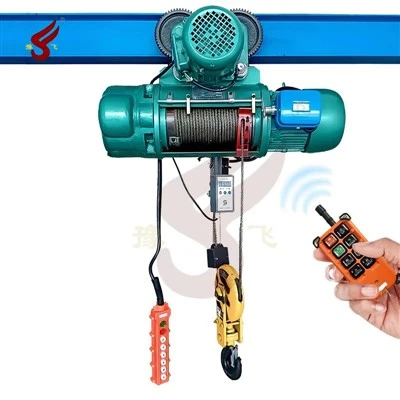
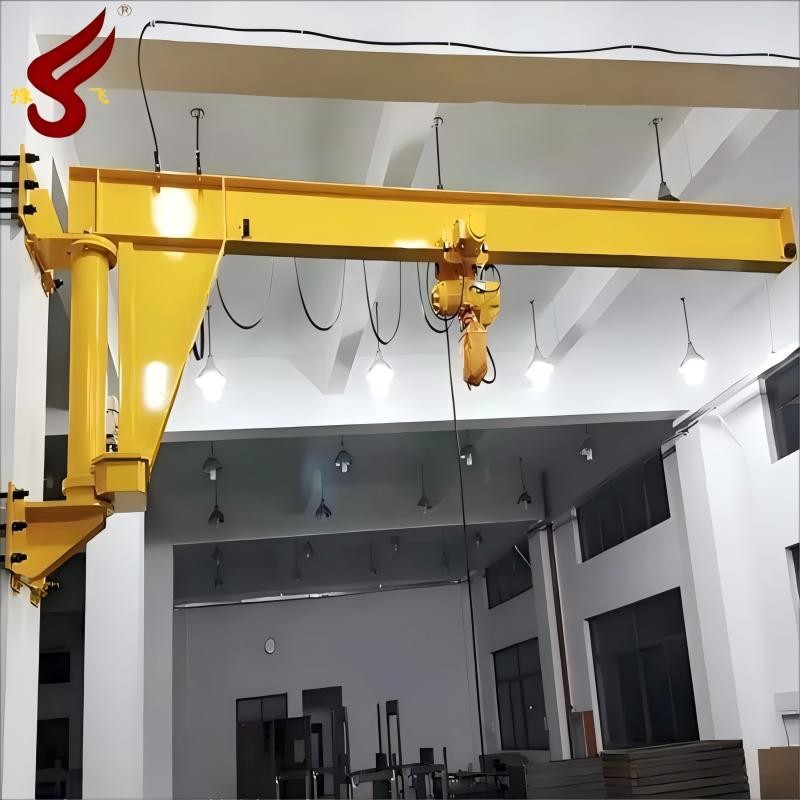
Start by introducing the operators to the different parts of the cantilever crane. Explain what each component does and how it contributes to the crane's overall function. For example, the jib is the horizontal arm of the crane that supports the load. The hoist is the device that lifts and lowers the load. And the mast or column provides the vertical support for the jib.
How the Crane Works
Once they understand the components, teach them how the crane operates. Explain the different controls, such as the buttons or levers used to move the jib, hoist the load, or rotate the crane. Demonstrate how to use these controls safely and effectively. You can also use diagrams or videos to make the learning process easier.
Safety Rules
Safety should always be the top priority. Teach operators about the safety rules and regulations related to cantilever crane operation. This includes wearing the appropriate personal protective equipment (PPE), such as hard hats, safety glasses, and steel - toe boots. Explain the importance of keeping a safe distance from the load and other equipment. Also, teach them about the emergency stop button and what to do in case of an emergency.
Practical Training
After the theoretical training, it's time for the operators to get hands - on experience. Practical training is where they really learn how to operate the cantilever crane.
Supervised Practice
Start with supervised practice. Have an experienced operator or trainer accompany the new operators as they operate the crane. This way, they can ask questions and get immediate feedback. The supervisor can also correct any mistakes and ensure that the operators are following the safety rules.
Load Handling Exercises
Set up some load handling exercises for the operators. Start with light loads and gradually increase the weight as they gain more confidence. Teach them how to properly attach the load to the hoist, how to balance the load, and how to move it safely. Make sure they understand the importance of not overloading the crane.
Maneuvering Exercises
In addition to load handling, operators need to learn how to maneuver the crane. Teach them how to rotate the jib, move it horizontally, and position it accurately. These maneuvers are essential for placing the load in the right location.
Safety Training
Safety training is an ongoing process that should be integrated into every aspect of the operator training program.
Emergency Procedures
Teach operators what to do in case of an emergency. This includes how to use the emergency stop button, how to evacuate the area safely, and how to report the incident. Conduct regular emergency drills to ensure that operators are prepared for any situation.
Hazard Identification
Train operators to identify potential hazards in the work environment. This includes things like overhead power lines, uneven surfaces, and other equipment. Teach them how to assess the risks and take appropriate measures to avoid accidents.
Refresher Training
Even after the initial training, operators need regular refresher training. This helps them stay up - to - date with the latest safety rules and operating procedures. Refresher training can be done annually or more frequently if there are any changes to the crane or the work environment.
Evaluating the Training
Once the training is complete, it's important to evaluate the operators' performance. This can be done through written tests, practical assessments, or on - the - job observations. The evaluation will help you determine if the operators have learned the necessary skills and knowledge to operate the cantilever crane safely and effectively.
If an operator fails to meet the required standards, provide additional training or coaching until they do. Remember, it's better to take the time to ensure that operators are fully trained than to risk an accident due to inadequate training.
Conclusion
Training operators for a cantilever crane is a complex but essential process. By following these steps, you can ensure that your operators are well - trained and capable of using the crane safely and efficiently. Whether you're using a Fixed Column Jib Crane, Mobile Jib Crane, or Wall Mounted Jib Crane, proper training is the key to success.
If you're in the market for a cantilever crane or need more information about our training programs, don't hesitate to reach out. We're here to help you find the right crane for your needs and ensure that your operators are trained to use it properly.

References
- Crane Manufacturers Association of America (CMAA) standards
- Occupational Safety and Health Administration (OSHA) regulations for crane operation
- Manufacturer's manuals for cantilever cranes