


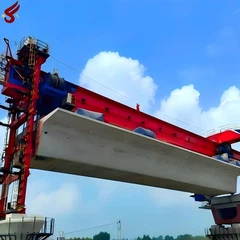
Hey there! As a supplier of cantilever cranes, I've seen firsthand how crucial it is to select the right type of wheels for a movable cantilever crane. The wheels you choose can significantly impact the crane's performance, safety, and overall lifespan. In this blog post, I'll share some tips on how to make the best choice for your needs.
Understanding the Basics
Before we dive into the selection process, let's quickly go over the basics of movable cantilever cranes. These cranes are designed to provide flexible lifting solutions in various industrial settings. They consist of a horizontal boom (the cantilever) that is supported by a vertical column or a wall-mounted structure. The crane can move along a track or be self-propelled, depending on the type.
The wheels of a movable cantilever crane play a vital role in its operation. They support the weight of the crane and the load, allow for smooth movement, and ensure stability. Different types of wheels are available, each with its own set of features and benefits.
Factors to Consider
When selecting the right type of wheels for your movable cantilever crane, there are several factors you need to take into account:
Load Capacity
The first and most important factor is the load capacity of the crane. You need to choose wheels that can support the maximum weight the crane will be lifting. This includes not only the weight of the load but also the weight of the crane itself. Make sure to check the manufacturer's specifications for the crane's load capacity and select wheels with a suitable load rating.
Surface Conditions
The surface on which the crane will be operating is another crucial factor. Different types of wheels are designed for different surface conditions. For example, if the crane will be used on a smooth, hard surface like concrete, you can choose wheels with a smooth tread for better traction and reduced rolling resistance. On the other hand, if the surface is rough or uneven, you may need wheels with a more aggressive tread pattern to provide better grip.
Mobility Requirements
Consider how the crane will be moved. If it will be used in a fixed location and only needs to be moved occasionally, you may opt for wheels that are easy to install and remove. However, if the crane needs to be moved frequently or over long distances, you may want to choose wheels that are designed for continuous use and offer good maneuverability.
Environmental Conditions
The environment in which the crane will be operating can also affect the choice of wheels. For example, if the crane will be used in a corrosive environment, you need to choose wheels that are made of materials that are resistant to corrosion. Similarly, if the crane will be exposed to extreme temperatures, you need to select wheels that can withstand those conditions.
Types of Wheels
Now that you understand the factors to consider, let's take a look at the different types of wheels available for movable cantilever cranes:
Cast Iron Wheels
Cast iron wheels are a popular choice for many industrial applications. They are known for their high load capacity, durability, and resistance to wear and tear. Cast iron wheels are also relatively inexpensive, making them a cost-effective option for many crane owners. However, they can be heavy and may not be suitable for applications where maneuverability is a key requirement.
Steel Wheels
Steel wheels are another common choice for movable cantilever cranes. They offer similar load capacity and durability as cast iron wheels but are generally lighter in weight. Steel wheels also have better traction on smooth surfaces and are more resistant to corrosion. However, they can be more expensive than cast iron wheels.
Polyurethane Wheels
Polyurethane wheels are a newer option that is gaining popularity in the crane industry. They offer several advantages over traditional wheels, including low noise operation, high load capacity, and excellent traction on various surfaces. Polyurethane wheels are also resistant to chemicals and abrasion, making them suitable for use in harsh environments. However, they can be more expensive than other types of wheels.
Rubber Wheels
Rubber wheels are often used for cranes that need to be moved on soft or uneven surfaces. They provide good shock absorption and traction, which helps to reduce the risk of damage to the crane and the load. Rubber wheels are also relatively quiet and can be easily replaced if they become worn out. However, they have a lower load capacity compared to other types of wheels and may not be suitable for heavy-duty applications.
Making the Right Choice
To select the right type of wheels for your movable cantilever crane, you need to carefully evaluate your specific requirements and consider the factors mentioned above. Here are some steps you can follow:
- Determine the load capacity: Calculate the maximum weight the crane will be lifting and choose wheels with a load rating that exceeds this capacity.
- Assess the surface conditions: Consider the type of surface on which the crane will be operating and choose wheels that are suitable for that surface.
- Evaluate the mobility requirements: Think about how the crane will be moved and choose wheels that offer the necessary maneuverability.
- Consider the environmental conditions: Take into account the environment in which the crane will be operating and choose wheels that can withstand those conditions.
- Compare different types of wheels: Research the different types of wheels available and compare their features, benefits, and costs.
- Consult with a professional: If you're unsure which type of wheels to choose, it's always a good idea to consult with a professional crane supplier or engineer. They can provide you with expert advice and help you make the right decision.
Conclusion
Selecting the right type of wheels for a movable cantilever crane is a critical decision that can have a significant impact on the crane's performance and safety. By considering the factors mentioned above and following the steps outlined in this blog post, you can make an informed choice that meets your specific requirements.


At our company, we offer a wide range of movable cantilever cranes, including Fixed Column Jib Crane, Mobile Jib Crane, and Wall Mounted Jib Crane. We also provide expert advice on wheel selection and other crane-related issues. If you're in the market for a movable cantilever crane or need help choosing the right wheels, don't hesitate to contact us. We'd be happy to assist you with your procurement needs and help you find the perfect solution for your business.
References
- Crane Manufacturers Association of America (CMAA). (Year). Crane Design Standards.
- American Society of Mechanical Engineers (ASME). (Year). Safety Standards for Cranes, Derricks, and Hoists.