




Hey there! As a gantry crane supplier, I've seen firsthand how crucial it is to select the right wire rope for these powerful machines. A gantry crane is a workhorse in many industries, whether it's in a shipping yard, a manufacturing plant, or a construction site. And the wire rope is like the lifeline of the crane, responsible for lifting and moving heavy loads safely and efficiently. So, let's dive into how you can choose the appropriate wire rope for your gantry crane.
Understanding Your Gantry Crane's Needs
First things first, you need to understand what your gantry crane is used for. Different types of gantry cranes have different requirements. For example, an RTG Type Rubber Tyred Container Gantry Crane is mainly used in container terminals to handle shipping containers. These cranes need wire ropes that can withstand frequent starts and stops, as well as the weight of the containers.
On the other hand, an MG Type Double Girder Gantry Crane is often used in heavy industrial applications, such as steel mills or power plants. These cranes typically lift much heavier loads, so the wire rope needs to have a high strength-to-weight ratio and excellent fatigue resistance.

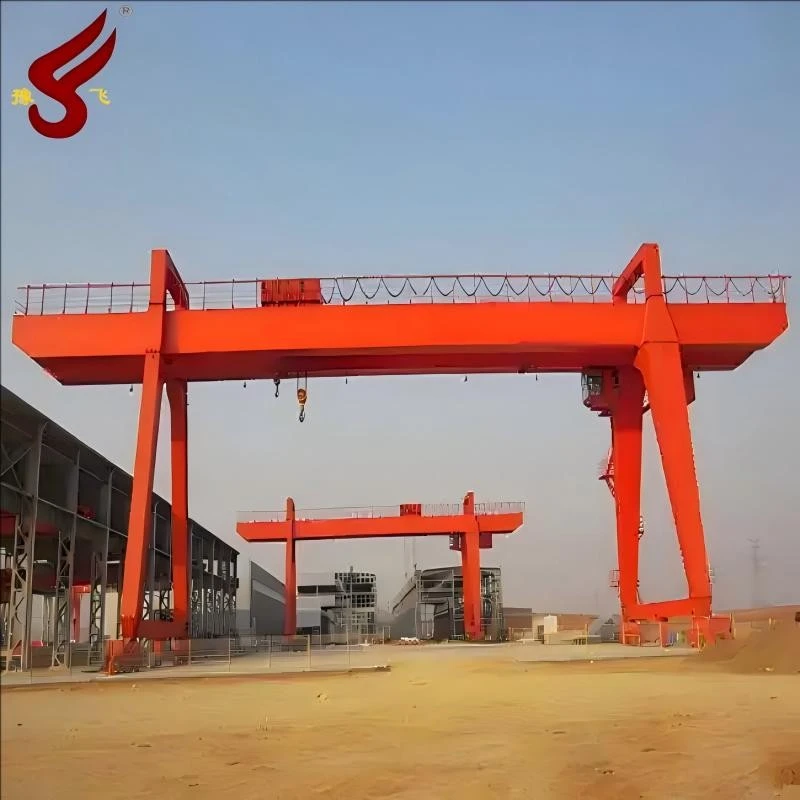
Then there's the Shipbuilding Gantry Crane, which is used in shipyards to lift large sections of ships during the construction process. These cranes operate in a harsh environment, with exposure to saltwater, high humidity, and heavy mechanical stress. So, the wire rope for a shipbuilding gantry crane needs to be corrosion-resistant and able to handle extreme loads.
Factors to Consider When Selecting Wire Rope
Load Capacity
The most obvious factor to consider is the load capacity of the wire rope. You need to know the maximum weight that your gantry crane will be lifting. This includes not only the weight of the load itself but also any additional equipment, such as slings or hooks. Make sure to choose a wire rope with a breaking strength that is significantly higher than the maximum load. A good rule of thumb is to have a safety factor of at least 5:1. This means that the wire rope should be able to withstand five times the maximum load without breaking.
Rope Construction
Wire ropes come in different constructions, each with its own advantages and disadvantages. The two main types are single-layer and multi-layer ropes. Single-layer ropes are simpler and more flexible, making them suitable for applications where the rope needs to bend around small sheaves or drums. However, they may not be as strong as multi-layer ropes.
Multi-layer ropes, on the other hand, are made up of multiple layers of wires wound around a core. They are stronger and more resistant to wear and fatigue, but they are also less flexible. For gantry cranes, multi-layer ropes are often a better choice, especially for heavy-duty applications.
Wire Material
The material of the wire also plays a crucial role in the performance of the rope. The most common materials are carbon steel and stainless steel. Carbon steel wires are strong and relatively inexpensive, but they are prone to corrosion. If your gantry crane operates in a corrosive environment, such as a shipyard or a chemical plant, you may want to consider using stainless steel wires. Stainless steel is more expensive, but it offers excellent corrosion resistance, which can significantly extend the lifespan of the wire rope.
Sheave and Drum Size
The size of the sheaves and drums on your gantry crane also affects the choice of wire rope. The diameter of the wire rope should be proportional to the diameter of the sheaves and drums. A general guideline is that the sheave or drum diameter should be at least 20 times the diameter of the wire rope. Using a wire rope with a diameter that is too small for the sheaves or drums can cause excessive wear and premature failure of the rope.
Operating Environment
The operating environment of the gantry crane is another important factor to consider. If the crane operates in a dirty or dusty environment, you may need a wire rope with a protective coating to prevent dirt and debris from getting into the rope and causing damage. If the crane is exposed to high temperatures, you need to choose a wire rope that can withstand the heat without losing its strength.
Maintenance and Inspection
Once you've selected the appropriate wire rope for your gantry crane, it's important to maintain and inspect it regularly. Proper maintenance can significantly extend the lifespan of the wire rope and ensure the safety of your crane operations.
Make sure to lubricate the wire rope regularly to reduce friction and prevent corrosion. Use a lubricant that is specifically designed for wire ropes. Also, inspect the wire rope for signs of wear, such as broken wires, corrosion, or deformation. If you notice any significant damage, replace the wire rope immediately.
Conclusion
Selecting the appropriate wire rope for a gantry crane is not a simple task. It requires a thorough understanding of your crane's needs, as well as the various factors that affect the performance of the wire rope. By considering the load capacity, rope construction, wire material, sheave and drum size, and operating environment, you can choose a wire rope that will provide reliable and safe operation for your gantry crane.
If you're still unsure about which wire rope is right for your gantry crane, don't hesitate to reach out to us. We're here to help you make the best choice for your specific application. Whether you need an RTG Type Rubber Tyred Container Gantry Crane, an MG Type Double Girder Gantry Crane, or a Shipbuilding Gantry Crane, we have the expertise and experience to provide you with the right wire rope solution. Contact us today to start the procurement discussion and take your crane operations to the next level.
References
- "Wire Rope Handbook" by The Wire Rope Technical Board
- "Crane Design and Application" by Industrial Press Inc.
- Various industry standards and guidelines related to gantry cranes and wire ropes.