


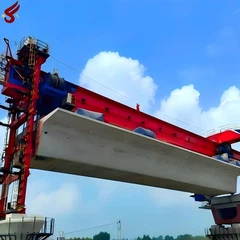
Hey there! As a supplier of cantilever cranes, I've seen my fair share of issues when it comes to these nifty lifting machines. One of the most critical problems we need to tackle is the tipping of cantilever cranes. Tipping can not only cause damage to the crane itself but also pose a serious threat to the safety of workers and the surrounding environment. So, in this blog, I'm gonna share some tips on how to prevent the tipping of a cantilever crane.
Understanding the Basics of Cantilever Crane Tipping
Before we dive into the prevention methods, let's quickly understand why a cantilever crane might tip over. A cantilever crane consists of a horizontal beam (jib) that extends from a vertical support column. When a load is lifted and moved along the jib, it creates a moment or a turning force. If this moment becomes too large, it can overcome the stability of the crane, causing it to tip.
The main factors that contribute to tipping include:
- Overloading: Lifting a load that exceeds the crane's rated capacity is a major cause of tipping.
- Improper Load Placement: Placing the load too far from the crane's support column increases the moment and the risk of tipping.
- Unstable Ground Conditions: If the ground where the crane is installed is not level or stable, it can affect the crane's balance.
- External Forces: Strong winds, seismic activity, or sudden impacts can also cause a cantilever crane to tip.
Preventive Measures
1. Know Your Crane's Capacity
This is a no - brainer. Every cantilever crane has a rated capacity, which is the maximum weight it can safely lift. You must always check the crane's load chart before lifting any load. The load chart provides information on the maximum load capacity at different radii (distances from the crane's support column).
For example, if you're using a Fixed Column Jib Crane, make sure you understand its specific load limits. Overloading the crane is like asking for trouble. It puts excessive stress on the crane's structure and can quickly lead to tipping.

2. Proper Load Placement
Where you place the load on the jib matters a great deal. Try to keep the load as close to the support column as possible. This reduces the moment and the risk of tipping. When attaching the load to the lifting device, make sure it is centered and balanced.
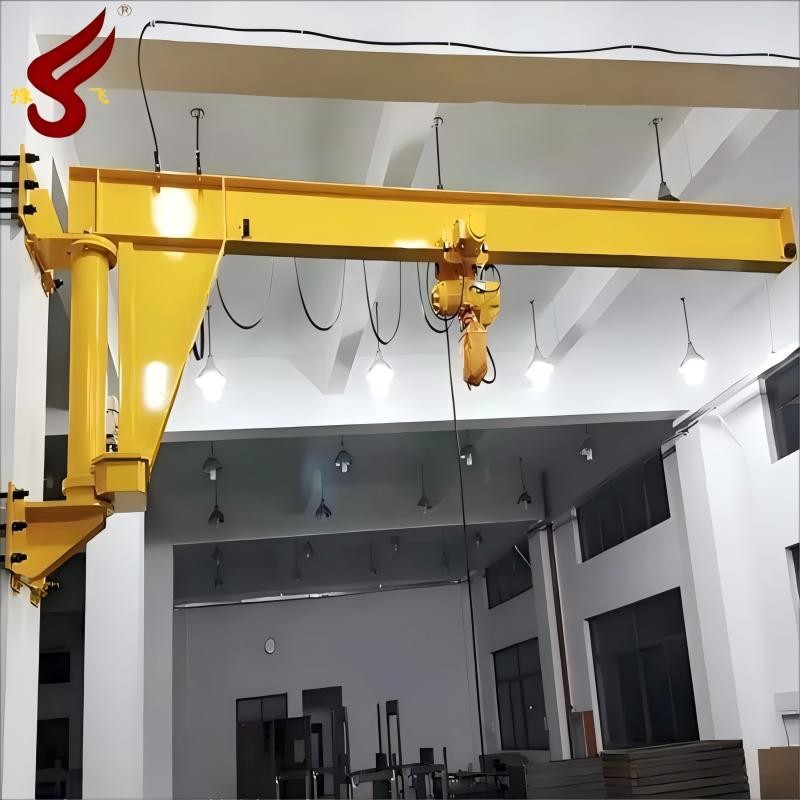
If the load is unevenly distributed, it can create an imbalance that increases the chances of tipping. For instance, if you're using a Wall Mounted Jib Crane, ensure that the load is placed in a way that doesn't put too much stress on the wall - mounting structure.
3. Check the Ground Conditions
The ground where the crane is installed needs to be stable and level. Before setting up the crane, inspect the ground for any signs of softness, slopes, or unevenness. If the ground is soft, you may need to use crane pads or outriggers to distribute the load and prevent the crane from sinking.
For mobile cantilever cranes like the Mobile Jib Crane, make sure the wheels are on a firm surface. If the ground is sloped, try to position the crane so that the load is lifted in the direction that minimizes the risk of tipping.
4. Secure the Crane Properly
Proper anchoring and securing of the crane are essential for preventing tipping. For fixed column jib cranes, the column should be firmly anchored to the foundation. The foundation needs to be designed to withstand the loads and forces exerted by the crane.
For wall - mounted jib cranes, the wall structure must be strong enough to support the crane and the load. Use high - quality bolts and fasteners to ensure a secure connection. Mobile jib cranes should have reliable locking mechanisms to keep them in place during operation.
5. Monitor External Conditions
External forces can have a significant impact on the stability of a cantilever crane. Keep an eye on the weather conditions, especially wind speed. High winds can create additional forces on the crane and increase the risk of tipping.
If the wind speed exceeds the crane's recommended limit, stop the operation and secure the crane. In areas prone to seismic activity, take additional precautions such as using seismic - resistant foundations or bracing systems.
6. Train Your Operators
Well - trained operators are your first line of defense against crane tipping. Make sure your operators are familiar with the crane's operation, load limits, and safety procedures. Provide regular training and refresher courses to keep their skills up - to - date.
Operators should know how to perform pre - operation checks, how to handle different types of loads, and what to do in case of an emergency. They should also be able to recognize the signs of an impending tip and take appropriate action.
7. Regular Maintenance
Regular maintenance is crucial for keeping the crane in good working condition. Inspect the crane's structure, components, and lifting devices regularly for any signs of wear, damage, or fatigue. Replace any worn - out parts immediately.
Check the hydraulic systems, if applicable, for leaks and proper functioning. Lubricate the moving parts to ensure smooth operation. A well - maintained crane is less likely to experience mechanical failures that could lead to tipping.
Conclusion
Preventing the tipping of a cantilever crane is all about being proactive and following the right safety procedures. By knowing your crane's capacity, placing the load properly, checking the ground conditions, securing the crane, monitoring external conditions, training your operators, and performing regular maintenance, you can significantly reduce the risk of tipping.
If you're in the market for a cantilever crane or need more information on crane safety, feel free to reach out. We're here to help you make the right choice and ensure the safe operation of your crane.
References
- Crane Safety Manuals from Industry Standards
- Manufacturer's Guides for Cantilever Cranes