


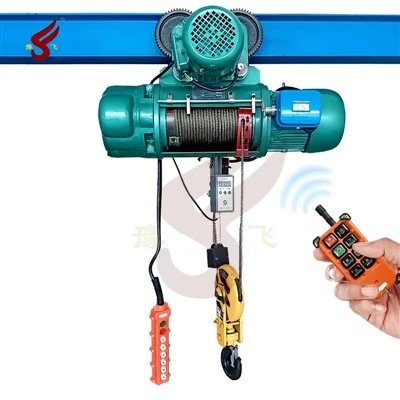


A cantilever crane, also known as a jib crane, is a type of lifting equipment that consists of a horizontal beam (jib) supported by a vertical mast or wall-mounted structure. It is widely used in various industries for lifting and moving heavy loads within a limited area. Adjusting the height of a cantilever crane is a crucial task that requires careful consideration and proper techniques. As a leading cantilever crane supplier, we understand the importance of providing our customers with the knowledge and guidance to ensure the safe and efficient operation of their equipment. In this blog post, we will discuss the steps and considerations for adjusting the height of a cantilever crane.
Understanding the Types of Cantilever Cranes
Before we delve into the height adjustment process, it is essential to understand the different types of cantilever cranes available in the market. Each type has its unique features and installation requirements, which can affect the height adjustment method. The three main types of cantilever cranes are:

- Wall Mounted Jib Crane: This type of crane is mounted on a wall or a vertical structure. It is ideal for applications where floor space is limited. You can find more information about wall-mounted jib cranes here.
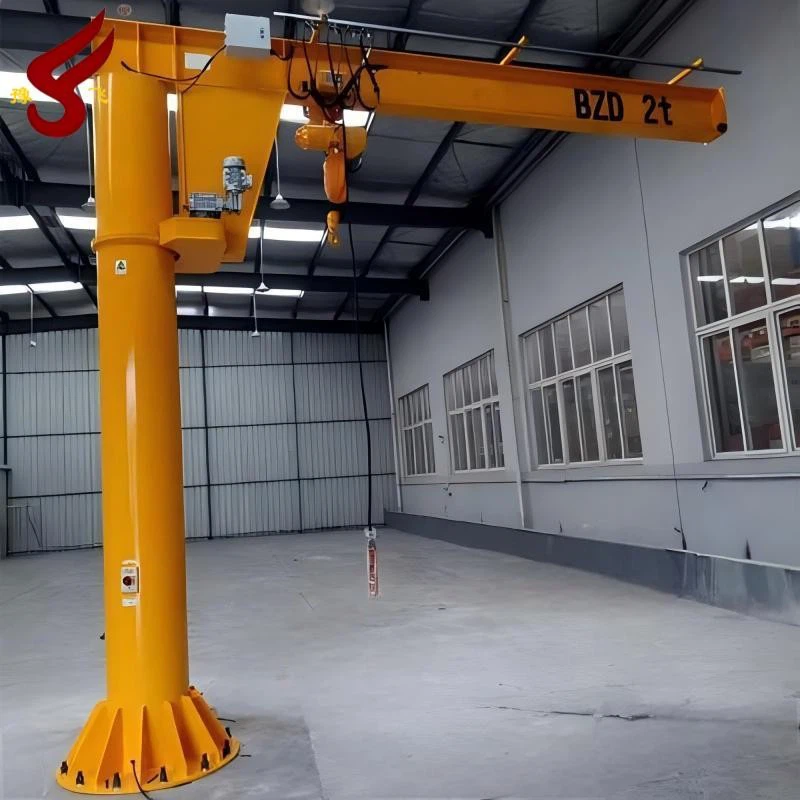
- Fixed Column Jib Crane: A fixed column jib crane is supported by a single vertical column that is fixed to the floor. It provides a stable and reliable lifting solution for medium to heavy loads. For more details on fixed column jib cranes, visit this page.
- Mobile Jib Crane: As the name suggests, a mobile jib crane is designed to be moved around the workspace. It is equipped with wheels or casters, making it suitable for applications that require flexibility. Learn more about mobile jib cranes here.
Factors to Consider Before Adjusting the Height
Adjusting the height of a cantilever crane is not a simple task and should not be done without proper planning. Here are some factors that you need to consider before making any adjustments:
- Load Capacity: The height adjustment should not compromise the load capacity of the crane. Make sure that the crane can still safely lift the maximum load at the new height.
- Workspace Clearance: Ensure that there is enough clearance above and around the crane to prevent any collisions or interference with other equipment or structures.
- Structural Integrity: Check the structural integrity of the crane, including the mast, jib, and support components. Any signs of damage or wear should be addressed before adjusting the height.
- Safety Regulations: Comply with all relevant safety regulations and standards when adjusting the height of the crane. This may include obtaining necessary permits and following specific procedures.
Steps to Adjust the Height of a Cantilever Crane
The process of adjusting the height of a cantilever crane may vary depending on the type and design of the crane. However, the following general steps can be followed:
Step 1: Gather the Necessary Tools and Equipment
Before you start the adjustment process, gather all the tools and equipment that you will need. This may include wrenches, hoists, safety harnesses, and measuring tools.
Step 2: Ensure the Crane is in a Safe Condition
Before making any adjustments, ensure that the crane is in a safe condition. This includes checking the brakes, controls, and electrical systems. Make sure that the crane is not carrying any load and is parked in a stable position.
Step 3: Determine the New Height
Based on your workspace requirements and the factors mentioned above, determine the new height that you want to set for the crane. Use a measuring tool to mark the new height on the mast or support structure.
Step 4: Loosen the Fasteners
If the crane is equipped with adjustable components, such as bolts or nuts, loosen them to allow for height adjustment. Be careful not to remove the fasteners completely, as this may cause the crane to become unstable.
Step 5: Adjust the Height
Use a hoist or other lifting equipment to raise or lower the jib to the desired height. Make sure that the jib is level and aligned properly. Use a measuring tool to verify the new height.
Step 6: Tighten the Fasteners
Once the jib is at the correct height, tighten the fasteners to secure it in place. Make sure that the fasteners are tightened to the recommended torque specifications.
Step 7: Conduct a Safety Check
After adjusting the height, conduct a thorough safety check of the crane. This includes checking the stability, alignment, and functionality of all components. Test the crane with a light load to ensure that it is operating safely.
Maintenance and Inspection After Height Adjustment
After adjusting the height of the cantilever crane, it is important to perform regular maintenance and inspections to ensure its continued safe and efficient operation. Here are some maintenance and inspection tasks that you should perform:
- Visual Inspection: Regularly inspect the crane for any signs of damage, wear, or corrosion. Check the mast, jib, support components, and electrical systems.
- Lubrication: Lubricate all moving parts of the crane, such as bearings, joints, and gears, to reduce friction and wear.
- Load Testing: Periodically perform load testing to ensure that the crane can still safely lift the maximum load at the new height.
- Electrical System Check: Check the electrical system of the crane, including the wiring, switches, and controls, for any signs of damage or malfunction.
Conclusion
Adjusting the height of a cantilever crane is a complex task that requires careful planning and proper techniques. By following the steps and considerations outlined in this blog post, you can ensure that the height adjustment is done safely and efficiently. As a cantilever crane supplier, we are committed to providing our customers with high-quality products and comprehensive support. If you have any questions or need assistance with adjusting the height of your cantilever crane, please do not hesitate to contact us. We are here to help you make the most of your lifting equipment and ensure a safe and productive workspace.
References
- ASME B30.11 - Safety Standard for Cantilever and Gantry Cranes
- OSHA Regulations for Lifting Equipment
- Manufacturer's Manuals for Cantilever Cranes