


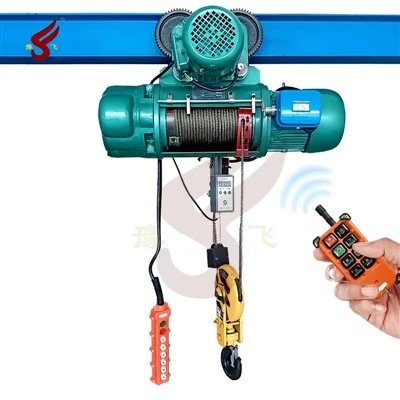


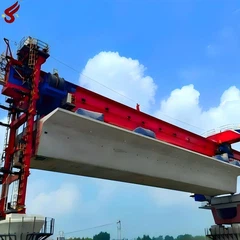
Hey there! As a supplier of crane accessories, I've had my fair share of encounters with different crane parts and their working principles. One of the most crucial yet often overlooked components of a crane is the brake. Today, I'm gonna take you through what the working principle of a crane brake is.
The Basics of a Crane Brake
First off, let's understand why a crane brake is so important. A crane is a heavy - duty machine used to lift and move large and often extremely heavy loads. Without a reliable braking system, it would be impossible to control the movement of the crane, which could lead to disastrous consequences.
A crane brake is essentially a device that stops or slows down the motion of the crane's moving parts, such as the hoist, trolley, or bridge. It's like the brakes in your car, but on a much larger and more powerful scale.
Types of Crane Brakes
There are several types of crane brakes, but the most common ones are electromagnetic brakes, hydraulic brakes, and mechanical brakes. Each type has its own unique working principle.
Electromagnetic Brakes
Electromagnetic brakes are widely used in cranes because they're fast - acting and can be easily controlled. The basic idea behind an electromagnetic brake is the interaction between an electromagnetic field and a mechanical component.
When the crane is in operation, an electric current is passed through a coil, creating an electromagnetic field. This field attracts an armature, which is connected to a friction disc or brake shoe. When the power is on, the armature is held against the friction disc, allowing the crane to move freely.
However, when the power is cut off, the electromagnetic field collapses. A spring then forces the armature against the friction disc, creating friction. This friction slows down and eventually stops the rotating parts of the crane. It's a pretty nifty system that ensures quick and reliable braking.


If you're interested in other crane accessories, we also offer Electromagnetic Lifter which can be a great addition to your crane operations.
Hydraulic Brakes
Hydraulic brakes use the power of hydraulic fluid to generate braking force. In a hydraulic brake system, there's a master cylinder and a slave cylinder. When the brake is applied, the operator presses a pedal or activates a valve, which forces hydraulic fluid from the master cylinder into the slave cylinder.
The pressure of the hydraulic fluid in the slave cylinder then moves a piston. This piston is connected to a brake shoe or disc, and the movement of the piston presses the brake shoe against a rotating drum or disc, creating friction and slowing down the crane.
Hydraulic brakes are known for their high - force capabilities and smooth operation. They're often used in larger cranes where more braking power is required.
Mechanical Brakes
Mechanical brakes are the most basic type of crane brakes. They rely on simple mechanical linkages and friction to stop the crane. A common example of a mechanical brake is a band brake.
A band brake consists of a flexible band that wraps around a drum. One end of the band is fixed, and the other end is connected to a lever. When the lever is pulled, the band tightens around the drum, creating friction and stopping the rotation of the drum.
Mechanical brakes are relatively simple and inexpensive, but they may require more maintenance compared to electromagnetic or hydraulic brakes.
Factors Affecting Crane Brake Performance
There are several factors that can affect the performance of a crane brake. One of the most important factors is the friction material. The friction material on the brake shoe or disc determines how much friction can be generated. Different materials have different friction coefficients, and the right material needs to be chosen based on the specific requirements of the crane.
Another factor is the heat generated during braking. When a brake is applied, a large amount of energy is converted into heat. If the brake can't dissipate this heat quickly enough, the temperature of the brake components can rise significantly, which can lead to a reduction in friction and even damage to the brake.
The wear and tear of the brake components also play a crucial role. Over time, the friction material on the brake shoes or discs will wear down, reducing the braking efficiency. Regular inspection and replacement of worn - out parts are essential to ensure the proper functioning of the crane brake.
Importance of Regular Maintenance
As a crane accessories supplier, I can't stress enough the importance of regular maintenance for crane brakes. A well - maintained brake system is the key to safe and efficient crane operation.
Regular inspections should be carried out to check for any signs of wear, damage, or malfunction. The brake components should be cleaned and lubricated as needed. The adjustment of the brake should also be checked regularly to ensure that it provides the right amount of braking force.
If you're in need of replacement parts for your crane brakes or other accessories like Container Spreader or Grab Bucket, we've got you covered.
Conclusion
In conclusion, the working principle of a crane brake is based on the generation of friction to stop or slow down the moving parts of a crane. Whether it's an electromagnetic, hydraulic, or mechanical brake, each type has its own unique way of achieving this.
Understanding how crane brakes work is essential for anyone involved in crane operation and maintenance. It helps ensure the safety of the operators and the efficiency of the crane.
If you're looking for high - quality crane accessories, we're here to help. We've got a wide range of products to meet your needs. Whether you need a new brake system or other crane parts, feel free to reach out to us for a purchase and further discussion.
References
- Machinery's Handbook: A reference book that provides in - depth information on mechanical engineering, including crane brakes.
- Crane Manufacturer's Manuals: These manuals offer detailed information about the specific crane models and their brake systems.