


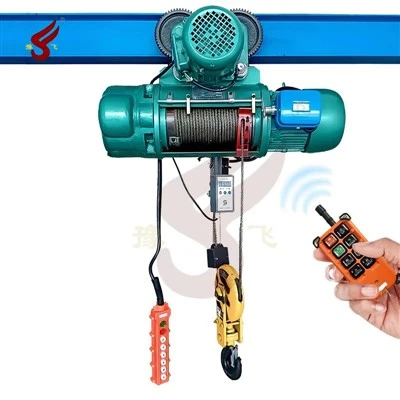


Hey there! I'm a supplier of KBK Light - duty Cranes, and today I wanna talk about the wind resistance performance of a KBK light - duty crane when it's used outdoors.
First off, let's understand what a KBK light - duty crane is. A KBK Light - duty Crane is a flexible and cost - effective solution for various lifting tasks. It's widely used in workshops, warehouses, and sometimes even outdoors. But when it comes to outdoor use, wind becomes a significant factor that we need to consider.
The wind resistance performance of a KBK light - duty crane depends on several key aspects. One of the most important factors is the design of the crane itself. The structure of the KBK light - duty crane is relatively lightweight compared to heavy - duty cranes. This light structure can be both an advantage and a disadvantage when it comes to wind.
On one hand, the light structure means that the crane has a smaller cross - sectional area exposed to the wind. This reduces the overall wind force acting on the crane. For example, if we compare it with a Light - duty Gantry Crane, which usually has a more bulky structure, the KBK light - duty crane will experience less wind pressure under the same wind conditions.
However, the lightness also means that the crane has less stability. A strong gust of wind can easily cause the crane to sway or even tip over if it's not properly secured. To address this issue, the KBK light - duty crane is often equipped with special anti - wind devices. These devices can include wind - resistant cables, which are attached to the crane and anchored to the ground. They help to keep the crane in place by providing additional stability.
Another important factor is the material used in the construction of the crane. High - strength steel is commonly used in KBK light - duty cranes. This material not only provides the necessary strength to support the load but also has good resistance to deformation under wind pressure. The steel is carefully selected and processed to ensure that it can withstand the forces exerted by the wind.
The location where the crane is installed also plays a crucial role in its wind resistance performance. If the crane is installed in an open area with no windbreaks, it will be more exposed to strong winds. In such cases, we need to take extra precautions. For instance, we can install wind deflectors around the crane. These deflectors can redirect the wind flow, reducing the direct impact on the crane.
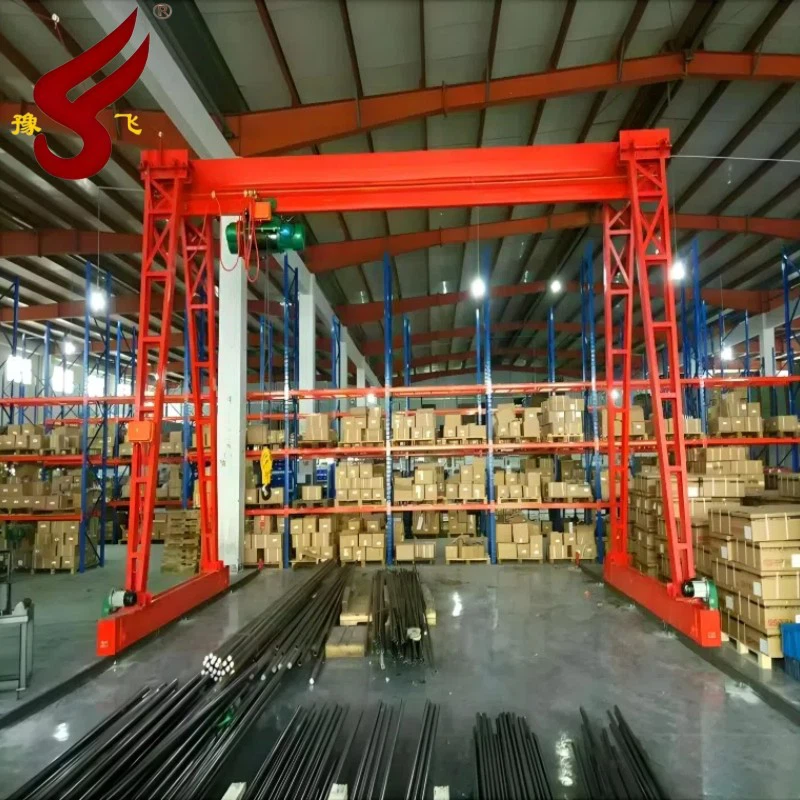

Let's talk about the wind speed ratings. Different models of KBK light - duty cranes have different wind speed limits. Generally, most KBK light - duty cranes are designed to operate safely in wind speeds of up to 10 - 15 meters per second. Beyond this range, the risk of instability increases significantly. When the wind speed exceeds the rated limit, it's recommended to stop using the crane and secure it properly.
We also need to consider the type of load the crane is carrying. A heavy load can increase the stability of the crane to some extent, as it lowers the center of gravity. But at the same time, a large and irregularly shaped load can also increase the wind resistance. For example, if the load has a large surface area facing the wind, it will act like a sail, increasing the wind force acting on the crane.
In terms of maintenance, regular checks are essential to ensure the wind resistance performance of the KBK light - duty crane. We need to inspect the anti - wind devices, such as the cables and anchors, to make sure they are in good condition. Any signs of wear or damage should be addressed immediately. Also, the structural integrity of the crane, including the steel components, should be inspected regularly.
Now, if you're in the market for a KBK light - duty crane for outdoor use, you need to carefully consider all these factors. Our company offers a wide range of KBK light - duty cranes with excellent wind resistance performance. We can provide customized solutions based on your specific requirements, such as the location of installation, the expected wind conditions, and the type of loads you'll be handling.
If you're interested in learning more about our KBK light - duty cranes or have any questions regarding their wind resistance performance, don't hesitate to get in touch. We're here to help you make the right choice for your lifting needs.
References
- Crane Design and Safety Standards Handbook
- Engineering Studies on Light - duty Crane Wind Resistance