




As a supplier of light - duty cranes, I often encounter clients who are not only concerned about the initial purchase cost of a light - duty crane but also about its long - term maintenance cost. Understanding the maintenance cost of a light - duty crane is crucial for businesses as it directly impacts the overall cost of ownership. In this blog, I will delve into the various factors that contribute to the maintenance cost of a light - duty crane and provide some insights on how to manage these costs effectively.
1. Components and Their Maintenance Requirements
Hoist Mechanism
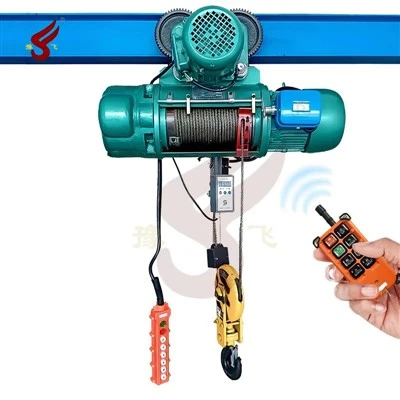
The hoist is one of the most critical components of a light - duty crane. It is responsible for lifting and lowering loads. The hoist mechanism typically consists of a motor, gearbox, brake, and wire rope or chain. Regular maintenance of the hoist includes lubricating the moving parts, checking the brake for proper operation, and inspecting the wire rope or chain for signs of wear and tear. For example, wire ropes need to be replaced when they show excessive abrasion, broken wires, or corrosion. The cost of replacing a wire rope can vary depending on its length and diameter, but it is an essential part of hoist maintenance to ensure safe operation.
Bridge and Trolley
The bridge and trolley are the structural components that allow the hoist to move horizontally. The wheels, rails, and bearings of the bridge and trolley need to be inspected regularly. Lubrication of the wheels and bearings is necessary to reduce friction and wear. Misaligned rails can cause premature wear of the wheels and increase the load on the motor. Correcting rail alignment may involve adjusting the mounting brackets or using shims, which can incur labor and material costs.
Electrical System
The electrical system of a light - duty crane controls the operation of the hoist, bridge, and trolley. This includes motors, switches, controls, and wiring. Electrical components are prone to issues such as loose connections, short circuits, and component failures. Routine maintenance of the electrical system involves checking the electrical connections for tightness, testing the insulation resistance of the wiring, and replacing worn - out switches or contactors. Electrical component replacement costs can range from a few dollars for small switches to several hundred dollars for larger motors or control panels.


2. Frequency of Maintenance
Scheduled Maintenance
Scheduled maintenance is a preventive approach aimed at identifying and addressing potential issues before they lead to major breakdowns. For light - duty cranes, daily, weekly, monthly, quarterly, and annual maintenance tasks are typically recommended.
- Daily Maintenance: This usually involves visual inspections of the crane, checking for any obvious signs of damage, such as loose parts, oil leaks, or abnormal noises during operation.
- Weekly Maintenance: Additional tasks may include lubricating the moving parts, checking the functionality of safety switches, and testing the emergency stop button.
- Monthly Maintenance: More in - depth inspections, such as checking the tightness of bolts and fasteners, inspecting the condition of the electrical wiring, and monitoring the performance of the hoist.
- Quarterly Maintenance: This may involve more comprehensive tests, like load testing within the rated capacity of the crane to ensure its safe operation.
- Annual Maintenance: A thorough inspection and servicing of all components, including disassembly, cleaning, and reassembly of the hoist and other major parts. This is the most expensive type of scheduled maintenance due to the labor and time involved.
Unscheduled Maintenance
Unscheduled maintenance occurs when there is a breakdown or malfunction of the crane. These situations can be costly as they often result in unplanned downtime for the business. The cost of unscheduled maintenance includes not only the repair parts and labor but also the potential loss of productivity due to the crane being out of service. To minimize unscheduled maintenance, regular scheduled maintenance is essential.
3. Labor Costs
Labor costs are a significant portion of the maintenance cost of a light - duty crane. The amount of labor required depends on the complexity of the maintenance task. For simple tasks like daily visual inspections, in - house maintenance staff can perform the work. However, for more complex tasks such as electrical system repairs or hoist overhauls, it may be necessary to hire a professional crane maintenance technician. Professional technicians typically charge an hourly rate, which can vary depending on their level of expertise and location. In some cases, crane manufacturers or suppliers may offer maintenance contracts that include labor, which can provide cost savings and ensure that the crane is maintained by trained personnel.
4. Cost - Saving Strategies
Training and In - house Maintenance
Providing training to in - house maintenance staff can reduce the reliance on external technicians. By having trained employees on - site, businesses can perform routine maintenance tasks more efficiently and at a lower cost. Training programs should cover topics such as crane operation, safety procedures, and basic maintenance techniques.
Preventive Maintenance Programs
Implementing a comprehensive preventive maintenance program can help identify and address potential issues early, reducing the likelihood of major breakdowns. This can save on the cost of emergency repairs and minimize downtime. A preventive maintenance program should include detailed inspection checklists, maintenance schedules, and record - keeping systems.
Quality Parts
Using high - quality replacement parts can actually save money in the long run. Although high - quality parts may have a higher upfront cost, they tend to last longer and are less likely to fail, reducing the frequency of replacement and the associated labor costs. When purchasing parts, it is important to source them from reputable suppliers to ensure their authenticity and quality.
5. Comparison of Maintenance Costs for Different Types of Light - Duty Cranes
Light - duty Gantry Crane
Light - duty gantry cranes are commonly used in workshops and small manufacturing facilities. Their maintenance cost is relatively lower compared to some other types of cranes. The simple structure of gantry cranes means that there are fewer components to maintain. However, the wheels and rails of the gantry crane still require regular inspection and lubrication to ensure smooth movement.
KBK Light - duty Crane
KBK light - duty cranes are known for their modular design and flexibility. They are often used in assembly lines and warehouses. The modular components of KBK cranes can make maintenance easier in some cases, as individual modules can be replaced or repaired. However, the electrical and control systems of KBK cranes may require more frequent attention due to their complex operation.
In conclusion, the maintenance cost of a light - duty crane is influenced by many factors, including the components, maintenance frequency, labor costs, and the type of crane. By understanding these factors and implementing cost - saving strategies, businesses can manage their crane maintenance costs effectively. Whether you are in the process of purchasing a light - duty crane or already own one, it is essential to consider the long - term maintenance cost as part of your overall investment.
If you are interested in learning more about our light - duty cranes or discussing the maintenance requirements and costs in further detail, we invite you to reach out to us. Our team of experts is ready to assist you in selecting the right crane for your needs and providing you with comprehensive maintenance solutions.
References
- "Crane Maintenance Handbook" by Industry Press
- ASME B30.11 - Safety Standard for Monorails and Underhung Cranes
- OSHA Guidelines on Crane Safety and Maintenance