


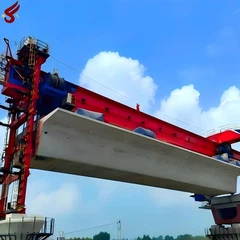
As a seasoned supplier of crane accessories, I've witnessed firsthand the critical role these components play in the smooth operation of cranes across various industries. One question that frequently arises from our clients is about the lifespan of typical crane accessories. Understanding the lifespan of these accessories is not only crucial for maintenance planning but also for ensuring the safety and efficiency of crane operations. In this blog, I'll delve into the factors that influence the lifespan of common crane accessories and provide insights based on our extensive experience in the industry.
Factors Affecting the Lifespan of Crane Accessories
Before we discuss the lifespan of specific crane accessories, it's important to understand the factors that can impact their durability. These factors can vary widely depending on the type of accessory, the operating environment, and the frequency of use.


- Quality of Materials: The quality of materials used in the manufacturing of crane accessories is a primary determinant of their lifespan. High-quality materials are more resistant to wear, corrosion, and fatigue, which can significantly extend the life of the accessory. For example, accessories made from high-grade steel are likely to last longer than those made from lower-quality materials.
- Operating Conditions: The environment in which the crane operates can have a profound impact on the lifespan of its accessories. Accessories used in harsh environments, such as those exposed to extreme temperatures, high humidity, or corrosive chemicals, are likely to experience more rapid deterioration. Additionally, the frequency and intensity of use can also affect the lifespan of accessories. Accessories that are used continuously or under heavy loads are more likely to wear out faster.
- Maintenance and Inspection: Regular maintenance and inspection are essential for maximizing the lifespan of crane accessories. Proper lubrication, cleaning, and adjustment can help prevent premature wear and damage. Additionally, routine inspections can identify potential issues early on, allowing for timely repairs or replacements.
Lifespan of Common Crane Accessories
Now, let's take a closer look at the lifespan of some of the most common crane accessories:
- Container Spreader: Container spreaders are used to handle shipping containers and are subjected to significant stress and wear during operation. The lifespan of a container spreader can vary depending on factors such as the quality of the spreader, the frequency of use, and the type of containers being handled. On average, a well-maintained container spreader can last between 10 to 15 years. However, in high-volume operations or harsh environments, the lifespan may be shorter.
- Hook: Hooks are one of the most critical components of a crane and are used to lift and secure loads. The lifespan of a hook depends on factors such as the material quality, the size and weight of the loads being lifted, and the frequency of use. A high-quality hook that is properly maintained can last for many years. However, hooks are subject to wear and fatigue, and it's important to regularly inspect them for signs of damage or deformation. In general, hooks should be replaced every 5 to 10 years, depending on the operating conditions.
- Electromagnetic Lifter: Electromagnetic lifters are used to lift and transport ferrous materials using magnetic force. The lifespan of an electromagnetic lifter can vary depending on factors such as the quality of the magnet, the frequency of use, and the operating environment. On average, a well-maintained electromagnetic lifter can last between 8 to 12 years. However, factors such as overheating, electrical problems, or mechanical damage can significantly reduce the lifespan of the lifter.
Extending the Lifespan of Crane Accessories
While the lifespan of crane accessories is influenced by various factors, there are several steps that can be taken to extend their durability:
- Choose High-Quality Accessories: Investing in high-quality crane accessories is one of the most effective ways to ensure their long-term performance. High-quality accessories are typically made from superior materials and are designed to withstand the rigors of heavy use.
- Implement a Maintenance Program: Establishing a regular maintenance program is essential for maximizing the lifespan of crane accessories. This program should include tasks such as lubrication, cleaning, inspection, and adjustment. By following a maintenance schedule, you can identify and address potential issues before they become major problems.
- Train Operators Properly: Proper training of crane operators is crucial for preventing premature wear and damage to accessories. Operators should be trained on the correct use of the crane and its accessories, including load limits, operating procedures, and safety protocols. By ensuring that operators are knowledgeable and skilled, you can reduce the risk of accidents and extend the lifespan of the accessories.
- Monitor Operating Conditions: Keeping track of the operating conditions of the crane and its accessories can help you identify potential issues early on. This includes monitoring factors such as temperature, humidity, load capacity, and frequency of use. By analyzing this data, you can make informed decisions about maintenance and replacement schedules.
Conclusion
In conclusion, the lifespan of typical crane accessories can vary widely depending on factors such as the quality of materials, operating conditions, and maintenance practices. By understanding these factors and taking appropriate steps to extend the lifespan of accessories, you can ensure the safety and efficiency of your crane operations. At our company, we are committed to providing high-quality crane accessories and expert advice to help our clients maximize the lifespan of their equipment. If you have any questions about the lifespan of crane accessories or need assistance with maintenance or replacement, please don't hesitate to contact us. We look forward to working with you to meet your crane accessory needs.
References
- Crane Manufacturers Association of America (CMAA). (2019). Crane Safety Standards and Recommended Practices.
- Occupational Safety and Health Administration (OSHA). (2018). Cranes and Derricks in Construction Standard.
- American Society of Mechanical Engineers (ASME). (2017). Safety Standard for Overhead and Gantry Cranes.