




Hey there! As a supplier of light - duty cranes, I often get asked about the lifespan of these nifty machines. So, I thought I'd sit down and write this blog to share everything I know about it.
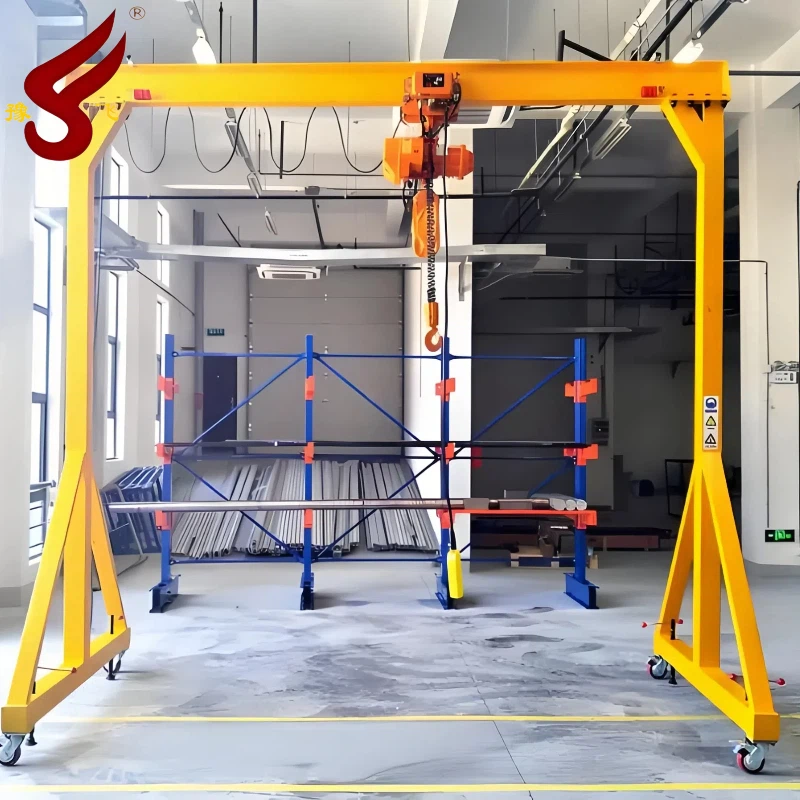
First off, let's understand what a light - duty crane is. Light - duty cranes are designed for less strenuous lifting tasks. They're great for small workshops, warehouses with limited loads, and even some DIY projects. You've got different types, like the Light-duty Gantry Crane and the KBK Light-duty Crane. Each type has its own features, but they all fall under the light - duty category.
Now, the lifespan of a light - duty crane isn't set in stone. It depends on a bunch of factors. One of the most important ones is how often you use it. If you're using your light - duty crane every single day for long hours, it's going to wear out faster than one that's only used once in a blue moon.
Think of it like your car. If you drive it hard every day, hitting the gas and brakes aggressively, and never give it a break, the engine and other parts are going to take a beating. The same goes for light - duty cranes. Frequent use means more stress on the components, like the hoist, the cables, and the structural frame.
Another factor is the load capacity. Light - duty cranes are built to handle specific weight limits. If you're constantly pushing the crane to its maximum capacity or, even worse, overloading it, you're shortening its lifespan big time. Overloading can cause excessive wear on the gears, motors, and other moving parts. It can also lead to structural damage over time. For example, if the frame of the crane is constantly under more stress than it's designed for, it might start to develop cracks or deformations.
Maintenance is also a huge deal. Just like you take your car for regular oil changes and tune - ups, a light - duty crane needs proper maintenance. This includes things like lubricating the moving parts, checking the cables for wear and tear, and making sure all the electrical connections are tight. If you neglect maintenance, small problems can turn into big ones real fast. A loose bolt might seem like a minor issue at first, but it could lead to a major malfunction down the road.
The environment where the crane is used also plays a role. If the crane is used in a harsh environment, like a place with a lot of dust, moisture, or corrosive chemicals, it's going to degrade faster. Dust can get into the moving parts and cause abrasion, while moisture can lead to rust. Corrosive chemicals can eat away at the metal components of the crane.
On average, a well - maintained light - duty crane can last anywhere from 10 to 20 years. But this is just a ballpark figure. Some cranes might last longer if they're used sparingly and maintained properly, while others might need to be replaced in just a few years if they're misused or exposed to harsh conditions.
Let's take a closer look at the different components of a light - duty crane and how their lifespan can vary.
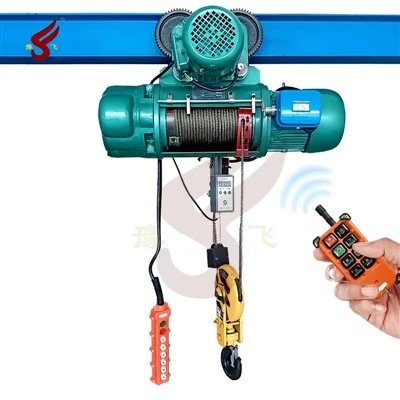
The hoist is one of the most critical parts of the crane. It's responsible for lifting and lowering the load. A high - quality hoist, with proper maintenance, can last around 10 to 15 years. However, if it's overloaded or used in a rough environment, its lifespan could be cut in half.
The cables are another important component. They need to be inspected regularly for signs of wear, such as fraying or corrosion. Depending on the usage and the quality of the cables, they might need to be replaced every 3 to 5 years.
The structural frame of the crane, which provides the support and stability, can last a long time if it's not subjected to excessive stress. With proper maintenance and normal use, it can last the full 10 to 20 - year lifespan of the crane. But if it's overloaded or exposed to harsh conditions, it might need to be repaired or replaced earlier.
Now, you might be wondering how you can extend the lifespan of your light - duty crane. Here are some tips:
First, always follow the manufacturer's guidelines for use. This includes not overloading the crane and using it only for its intended purpose. Second, establish a regular maintenance schedule. This should include daily visual inspections, weekly lubrication of moving parts, and monthly or quarterly in - depth inspections by a professional. Third, keep the crane clean and dry. If it's used in a dirty environment, make sure to clean it regularly to prevent dust and debris from building up.
As a light - duty crane supplier, I've seen firsthand the difference proper use and maintenance can make. I've customers whose cranes have lasted well beyond the average lifespan because they took good care of them. On the other hand, I've also seen cranes that were in bad shape after just a few years due to neglect.
If you're in the market for a light - duty crane, or if you already have one and want to make sure it lasts as long as possible, I'm here to help. I can provide you with high - quality light - duty cranes, as well as advice on maintenance and proper use. Whether you need a Light-duty Gantry Crane for your small workshop or a KBK Light-duty Crane for your warehouse, I've got you covered.
If you have any questions about light - duty cranes, their lifespan, or anything else related to them, don't hesitate to reach out. I'm more than happy to have a chat and help you make the best decisions for your business. Whether you're looking to purchase a new crane or need some tips on maintaining your existing one, I'm just a message away. Let's work together to get the most out of your light - duty crane and keep your operations running smoothly.
References:

- Crane Manufacturer's Manuals
- Industry Standards for Light - Duty Cranes
- Personal Experience as a Light - Duty Crane Supplier