


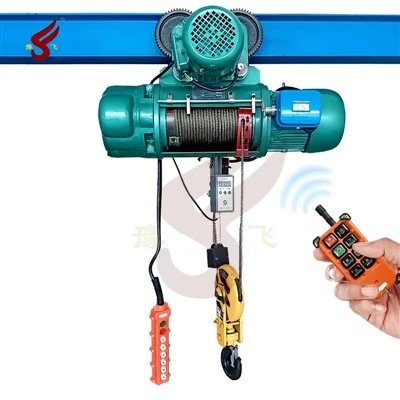


Hey there! As a supplier of CD1 MD1 Type Electric Hoist, I often get asked about how these hoists dissipate heat. So, I thought I'd write this blog to share some insights on the heat dissipation methods of CD1 MD1 Type Electric Hoist.
First off, let's understand why heat dissipation is so important for electric hoists. When an electric hoist is in operation, the motor and other electrical components generate heat. If this heat isn't dissipated properly, it can lead to overheating, which can damage the components, reduce the hoist's lifespan, and even pose a safety risk. So, effective heat dissipation is crucial for the reliable and safe operation of the hoist.
Natural Convection
One of the most basic heat dissipation methods used in CD1 MD1 Type Electric Hoist is natural convection. This is a passive heat transfer process where heat is transferred from the hot components of the hoist to the surrounding air. The hot air near the components rises, and cooler air moves in to take its place, creating a natural airflow that helps carry away the heat.
The hoist's motor housing is designed with fins or ridges to increase the surface area exposed to the air. This increased surface area allows for more efficient heat transfer through natural convection. The fins act like little heat sinks, absorbing the heat from the motor and releasing it into the air. It's a simple yet effective way to keep the motor cool during normal operation.


Forced Air Cooling
In addition to natural convection, many CD1 MD1 Type Electric Hoists also use forced air cooling. This involves using a fan to blow air over the hot components, increasing the rate of heat transfer. The fan is usually mounted on the motor shaft and rotates when the motor is running.
The forced air from the fan helps to break up the boundary layer of hot air that forms around the components, allowing for better heat exchange with the surrounding air. This method is particularly effective when the hoist is operating under heavy loads or for extended periods, as it can significantly enhance the heat dissipation capacity.
Heat Sinks
Heat sinks are another important component in the heat dissipation system of CD1 MD1 Type Electric Hoists. A heat sink is a passive device made of a material with high thermal conductivity, such as aluminum or copper. It's attached to the hot components, like the motor or the control panel, to absorb and dissipate the heat.
The heat sink has a large surface area, often with fins or pins, to increase the contact area with the air. This allows for more efficient heat transfer through both natural convection and forced air cooling. By transferring the heat from the components to the heat sink, and then from the heat sink to the air, the temperature of the components can be kept within a safe operating range.
Cooling Channels
Some CD1 MD1 Type Electric Hoists are designed with internal cooling channels. These channels are built into the hoist's structure and allow air or a cooling fluid to flow through them, carrying away the heat generated by the components.
The cooling channels can be used in combination with natural convection or forced air cooling. For example, the fan can be used to blow air through the cooling channels, enhancing the heat transfer process. In some cases, a cooling fluid, such as water or oil, can be circulated through the channels to provide even more efficient cooling.
Importance of Regular Maintenance
Proper heat dissipation also depends on regular maintenance of the hoist. Over time, dust, dirt, and debris can accumulate on the components, reducing their ability to dissipate heat. The fins on the motor housing or the heat sink can become clogged, blocking the airflow and reducing the efficiency of the cooling system.
Regular cleaning of the hoist, especially the motor and the cooling components, is essential to ensure optimal heat dissipation. You should also check the fan regularly to make sure it's working properly and replace it if necessary. Additionally, inspect the cooling channels for any blockages or leaks and address them promptly.
Comparing with Other Types of Electric Hoists
When it comes to heat dissipation, different types of electric hoists may have different methods and efficiencies. For example, European-Style Electric Hoist often feature advanced design and technology, which may result in more efficient heat dissipation. They may use high-performance fans, better heat sink materials, or more sophisticated cooling channel designs.
On the other hand, Low Headroom Electric Hoist are designed for specific applications where space is limited. This may pose some challenges in terms of heat dissipation, as there may be less room for large cooling components. However, manufacturers of low headroom hoists have also come up with innovative solutions to ensure effective heat management.
Conclusion
In conclusion, CD1 MD1 Type Electric Hoist use a combination of natural convection, forced air cooling, heat sinks, and cooling channels to dissipate heat. These methods work together to keep the hoist's components cool and ensure reliable and safe operation. Regular maintenance is also crucial to maintain the efficiency of the heat dissipation system.
If you're in the market for a CD1 MD1 Type Electric Hoist or any other type of electric hoist, and you have questions about heat dissipation or other technical aspects, don't hesitate to reach out. We're here to help you make the right choice for your specific needs. You can check out our CD1 MD1 Type Electric Hoist on our website and contact us for more information and to start the procurement negotiation process.
References
- General knowledge and experience in the electric hoist industry.
- Technical manuals and specifications of CD1 MD1 Type Electric Hoist.