


As a supplier of Grab Ship Unloaders, I often encounter inquiries from clients about various technical aspects of our equipment. One question that frequently comes up is: What is the grab's closing force in a Grab Ship Unloader? In this blog post, I'll delve into this topic, explaining what the grab's closing force is, why it matters, and how it impacts the performance of our Grab Ship Unloaders.
Understanding the Grab's Closing Force
The grab's closing force in a Grab Ship Unloader refers to the amount of force exerted by the grab mechanism when it closes to grasp the bulk material. This force is crucial as it determines the grab's ability to pick up and hold the material effectively. The closing force is generated by a combination of mechanical and hydraulic systems within the grab.
In a typical Grab Ship Unloader, the grab consists of multiple jaws or buckets that are designed to open and close in a coordinated manner. When the grab is lowered into the cargo hold, the jaws are opened to their maximum extent. Once the grab is fully submerged in the material, the closing mechanism is activated, causing the jaws to close around the material. The force with which the jaws close is the grab's closing force.
Importance of the Grab's Closing Force
The grab's closing force plays a vital role in the efficiency and productivity of a Grab Ship Unloader. Here are some key reasons why it is so important:
1. Material Handling Capacity
The closing force directly affects the amount of material that the grab can pick up in each cycle. A higher closing force allows the grab to compress and hold a larger volume of material, increasing the overall material handling capacity of the unloader. This is particularly important when dealing with dense or cohesive materials, such as coal or iron ore.
2. Operational Efficiency
A sufficient closing force ensures that the grab can quickly and securely grasp the material, reducing the time spent on each cycle. This leads to faster unloading times and increased operational efficiency. On the other hand, if the closing force is too low, the grab may struggle to pick up the material, resulting in longer cycle times and decreased productivity.
3. Material Retention
The closing force also determines how well the grab can retain the material during the lifting and transfer process. A strong closing force helps to prevent the material from spilling out of the grab, minimizing material loss and ensuring a clean and efficient unloading operation.
Factors Affecting the Grab's Closing Force
Several factors can influence the grab's closing force in a Grab Ship Unloader. Understanding these factors is essential for optimizing the performance of the equipment. Here are some of the key factors:
1. Design of the Grab
The design of the grab, including the shape, size, and number of jaws, can have a significant impact on the closing force. A well-designed grab with properly shaped jaws and a large contact area can generate a higher closing force. Additionally, the use of advanced materials and manufacturing techniques can enhance the strength and durability of the grab, allowing it to withstand higher closing forces.
2. Hydraulic System
The hydraulic system is responsible for generating and controlling the closing force of the grab. The size and capacity of the hydraulic cylinders, as well as the pressure and flow rate of the hydraulic fluid, can all affect the closing force. A well-designed hydraulic system with high-quality components can ensure a consistent and reliable closing force.
3. Material Properties
The properties of the material being unloaded, such as density, cohesion, and particle size, can also influence the grab's closing force. Dense and cohesive materials require a higher closing force to be effectively grasped and held. Additionally, materials with large particles may require a grab with a larger opening and a stronger closing force to prevent the particles from escaping.
4. Operating Conditions
The operating conditions, such as the depth of the cargo hold, the angle of the grab, and the speed of the unloader, can also affect the grab's closing force. For example, when the grab is operating at a greater depth, the hydrostatic pressure can increase, making it more difficult to close the grab. Similarly, if the grab is not properly aligned or is moving too quickly, the closing force may be reduced.
Measuring and Adjusting the Grab's Closing Force
To ensure optimal performance, it is important to measure and adjust the grab's closing force regularly. This can be done using specialized equipment, such as load cells or pressure sensors, which can accurately measure the force exerted by the grab. Based on the measurement results, the closing force can be adjusted by modifying the hydraulic system settings or by replacing worn-out components.
In addition to regular measurements, it is also important to monitor the performance of the grab over time. Any changes in the closing force or the material handling capacity may indicate a problem with the grab or the hydraulic system. By detecting and addressing these issues early, you can prevent costly downtime and ensure the continued reliability of your Grab Ship Unloader.
Our Grab Ship Unloaders and Closing Force Optimization
At our company, we understand the importance of the grab's closing force in the performance of a Grab Ship Unloader. That's why we have developed a range of high-quality Grab Ship Unloaders that are designed to deliver optimal closing force and efficiency.
Our Grab Ship Unloaders feature advanced hydraulic systems that are capable of generating high closing forces. The hydraulic cylinders are carefully selected and sized to ensure maximum performance and reliability. Additionally, our grabs are designed with precision to provide a large contact area and a strong closing force, allowing them to handle a wide range of materials with ease.
We also offer comprehensive after-sales support to help our clients optimize the performance of their Grab Ship Unloaders. Our team of experienced technicians can provide on-site training, maintenance, and repair services to ensure that your equipment is operating at its best. We can also assist with the measurement and adjustment of the grab's closing force, as well as the troubleshooting of any issues that may arise.
Conclusion
The grab's closing force is a critical parameter in the performance of a Grab Ship Unloader. It affects the material handling capacity, operational efficiency, and material retention of the equipment. By understanding the factors that influence the closing force and taking steps to optimize it, you can ensure the reliable and efficient operation of your Grab Ship Unloader.
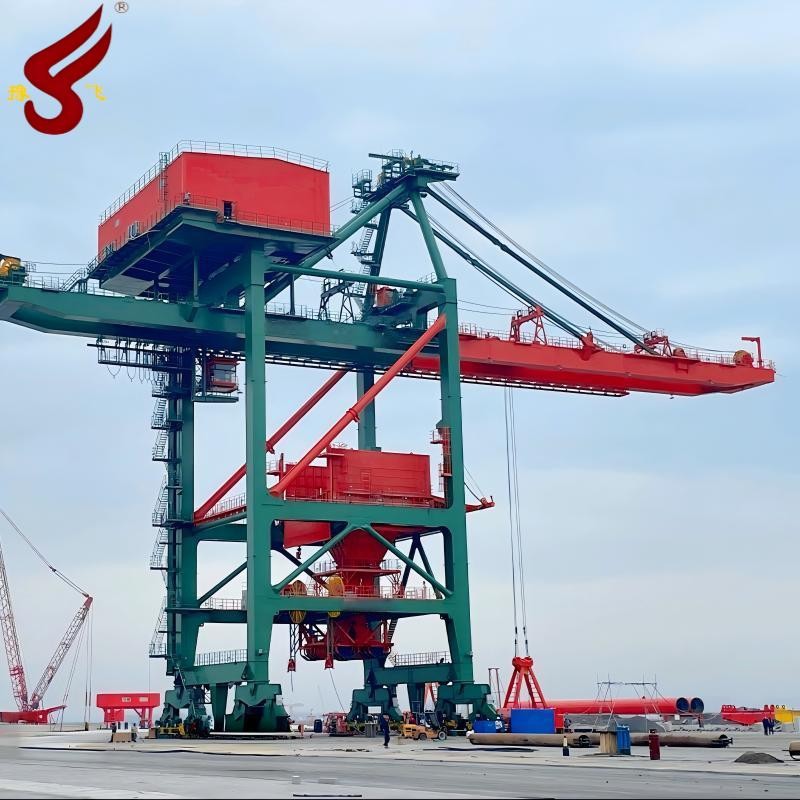
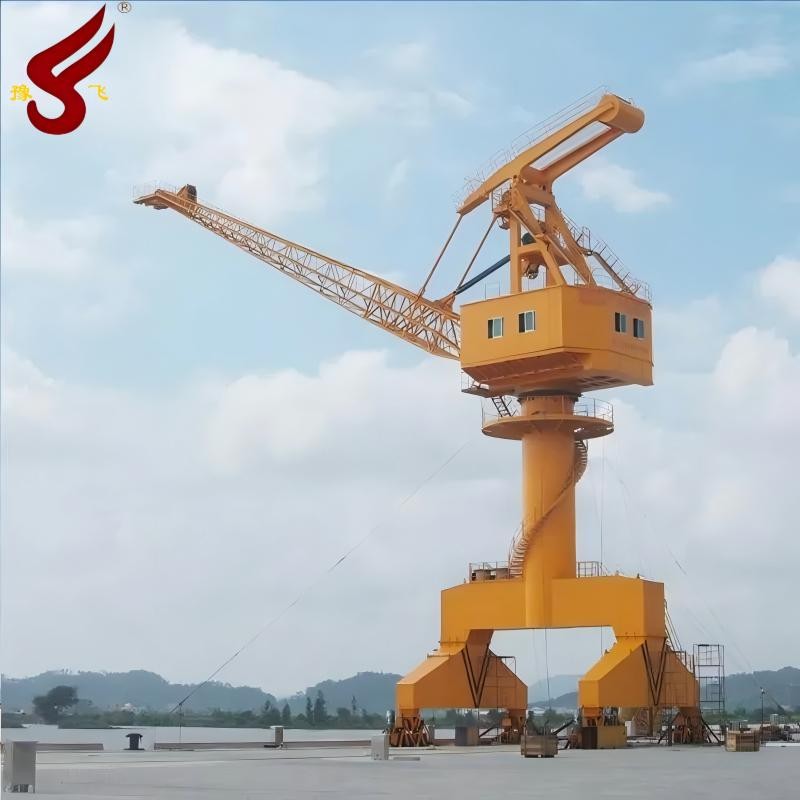
If you are in the market for a Grab Ship Unloader or need assistance with optimizing the performance of your existing equipment, please don't hesitate to contact us. Our team of experts is ready to help you find the right solution for your needs. You can also explore our other products such as Single Jib Portal Crane, Grab Ship Unloader, and Ship-to-Shore Container Crane on our website.
References
- "Bulk Material Handling Equipment Handbook" by Joseph F. Wasko
- "Port and Terminal Engineering" by Y. C. Wang
- "Marine Cargo Handling Systems" by John R. Duley