




Hey there! As a supplier of Vehicle Lift, I get asked a lot about the difference between low-profile and standard vehicle lifts. Today, I'm gonna break it down for ya.
Let's start with the basics. A vehicle lift is an essential piece of equipment in any automotive repair shop or car dealership. It allows mechanics to lift vehicles off the ground, providing easy access to the undercarriage for maintenance, repairs, and inspections. But when it comes to choosing the right lift, there are many factors to consider, and the profile of the lift is one of the most important.
Standard Vehicle Lifts
Standard vehicle lifts are what you'll typically see in most automotive service facilities. These lifts are designed to lift vehicles to a standard height, usually around 6 to 7 feet off the ground. They come in various types, including two-post lifts, four-post lifts, and scissor lifts.
Two-Post Lifts
Two-post lifts are a popular choice for small to medium-sized repair shops. They consist of two columns with hydraulic cylinders that lift the vehicle by its frame. These lifts are known for their excellent access to the undercarriage, as the vehicle is suspended in the air with no support from the ground in the middle. This makes it easy to perform tasks like oil changes, brake replacements, and tire rotations.
Four-Post Lifts
Four-post lifts, on the other hand, have four columns and support the vehicle on its wheels. They are great for storing vehicles or performing more extensive repairs that require a stable platform. Four-post lifts are often used in larger shops or dealerships where multiple vehicles need to be lifted at the same time.
Scissor Lifts
Scissor lifts use a scissor-like mechanism to raise and lower the vehicle. They are typically more compact than two-post or four-post lifts and are a good option for shops with limited space. Scissor lifts can be either surface-mounted or inground, depending on your needs.
Low-Profile Vehicle Lifts
Low-profile vehicle lifts are a relatively new innovation in the automotive industry. As the name suggests, these lifts have a lower profile than standard lifts, which means they can be used in areas with limited overhead clearance. Low-profile lifts are often used in car washes, detailing shops, and home garages where space is at a premium.
Design and Functionality
Low-profile lifts are designed to be as compact as possible while still providing enough lifting capacity to handle most vehicles. They typically have a lower lifting height than standard lifts, usually around 3 to 4 feet off the ground. However, some low-profile lifts can be adjusted to lift vehicles higher if needed.
One of the main advantages of low-profile lifts is their ability to lift vehicles that have a low ground clearance. Many modern cars, especially sports cars and luxury vehicles, have a very low profile, which can make it difficult to use a standard lift. Low-profile lifts are specifically designed to accommodate these types of vehicles.
Types of Low-Profile Lifts
There are several types of low-profile lifts available on the market, including portable lifts, in-ground lifts, and surface-mounted lifts. Portable low-profile lifts are great for mobile mechanics or those who need to move the lift around frequently. In-ground low-profile lifts are installed below the floor and provide a flush surface when not in use, which is ideal for shops with a high volume of traffic. Surface-mounted low-profile lifts are the most common type and are easy to install and use.
Key Differences
Now that we've covered the basics of both low-profile and standard vehicle lifts, let's take a look at the key differences between them.
Height
The most obvious difference between low-profile and standard vehicle lifts is the height. Standard lifts can lift vehicles to a much higher height than low-profile lifts, which provides better access to the undercarriage. However, this also means that standard lifts require more overhead clearance, which may not be available in all locations.

Space Requirements
Low-profile lifts are more compact than standard lifts and require less space to operate. This makes them a great option for shops with limited space or those who need to maximize their floor space. Standard lifts, on the other hand, are larger and require more room to install and use.
Lifting Capacity
Both low-profile and standard vehicle lifts come in a variety of lifting capacities. However, standard lifts generally have a higher lifting capacity than low-profile lifts. This means that they can handle larger and heavier vehicles, such as trucks and SUVs.
Cost
In general, low-profile lifts are less expensive than standard lifts. This is because they are smaller and require less material to manufacture. However, the cost of a lift also depends on the type, brand, and features you choose.
Which One Is Right for You?
So, which type of vehicle lift is right for you? Well, it depends on your specific needs and circumstances. If you have a large automotive repair shop with plenty of overhead clearance and need to lift heavy vehicles, a standard lift may be the best option. On the other hand, if you have a small shop, limited space, or need to lift vehicles with a low ground clearance, a low-profile lift may be more suitable.
Our Product Offerings
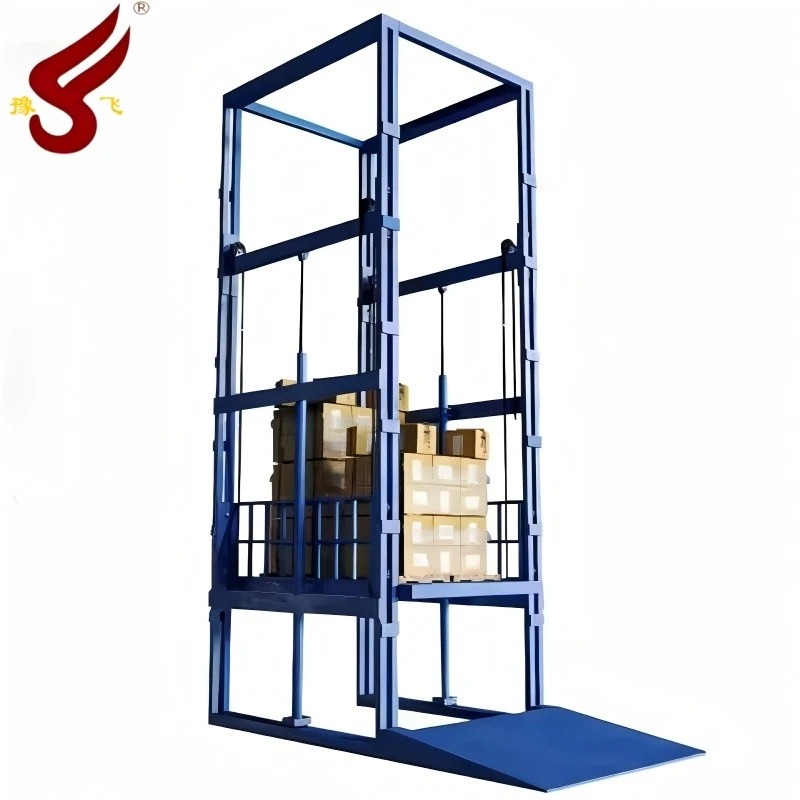
As a supplier of vehicle lifts, we offer a wide range of Fixed Hydraulic Scissor Lifting Platform and Fixed Hydraulic Dock Leveler in addition to our standard and low-profile vehicle lifts. Our products are designed to meet the highest standards of quality and safety, and we offer competitive pricing and excellent customer service.
If you're in the market for a new vehicle lift or need more information about our products, don't hesitate to reach out. We're here to help you find the right solution for your business. Whether you're a small independent repair shop or a large dealership, we have the expertise and products to meet your needs. Contact us today to start the conversation about your vehicle lift requirements and let's work together to find the perfect fit for your operation.
References
- Automotive Lift Institute (ALI) - Standards and guidelines for vehicle lifts.
- Various industry publications and research on automotive equipment.