


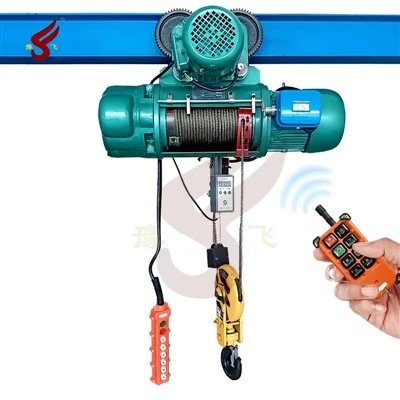


As a supplier of CD1 MD1 Type Electric Hoist, I often receive inquiries from customers about the anti - explosion performance of our products, especially in special environments. In this blog, I will delve into the anti - explosion performance of CD1 MD1 Type Electric Hoist and explain how it functions in different special settings.


Understanding CD1 MD1 Type Electric Hoist
Before we discuss its anti - explosion performance, let's briefly introduce the CD1 MD1 Type Electric Hoist. This type of electric hoist is a widely used lifting equipment known for its simplicity, reliability, and cost - effectiveness. It is suitable for various industrial applications, including factories, warehouses, and construction sites. You can find more information about it on our website: CD1 MD1 Type Electric Hoist.
Special Environments Requiring Anti - explosion Equipment
There are several special environments where anti - explosion performance is crucial. These include chemical plants, oil refineries, mines, and grain storage facilities. In these places, there are flammable substances such as gases, vapors, dust, or fibers in the air. A small spark from an electrical device can trigger a violent explosion, causing significant damage to property and endangering human lives.
Anti - explosion Mechanisms of CD1 MD1 Type Electric Hoist
The CD1 MD1 Type Electric Hoist designed for anti - explosion purposes is equipped with several key features to prevent the ignition of flammable substances.
Explosion - proof Enclosure
The most obvious feature is the explosion - proof enclosure. This enclosure is made of high - strength materials that can withstand the pressure generated by an internal explosion without rupturing. It is designed to contain any explosion that might occur inside the hoist and prevent the spread of flames and hot gases to the surrounding environment. The enclosure also has tight seals to prevent the entry of flammable substances into the hoist.
Spark - Free Components
All electrical components inside the hoist are carefully selected and designed to minimize the generation of sparks. For example, the motor is designed with special insulation materials and winding techniques to reduce the risk of arcing. The contactors and switches are also designed to operate without creating sparks during normal operation or in case of a fault.
Temperature Control
Overheating can also be a potential source of ignition. The CD1 MD1 Type Electric Hoist is equipped with temperature sensors to monitor the temperature of critical components such as the motor and the brake. If the temperature exceeds a safe limit, the hoist will automatically shut down to prevent further heating and potential ignition.
Performance in Different Special Environments
Gas - filled Environments
In chemical plants and oil refineries, there are often flammable gases such as methane, propane, or hydrogen in the air. The CD1 MD1 Type Electric Hoist with anti - explosion certification is designed to meet the requirements of different gas groups and explosion zones. For example, it can be certified for use in Zone 1 or Zone 2 environments, where the probability of the presence of flammable gases is relatively high or low respectively. The explosion - proof enclosure and spark - free components ensure that the hoist can operate safely without igniting the surrounding gases.
Dust - filled Environments
In mines and grain storage facilities, there are fine dust particles that can form explosive mixtures with air. The anti - explosion CD1 MD1 Type Electric Hoist is designed to prevent the accumulation of dust on its components and to avoid the generation of sparks that could ignite the dust. The enclosure is designed to prevent the ingress of dust, and the electrical components are protected to ensure safe operation in a dusty environment.
Comparison with Other Types of Electric Hoists
When compared with European - Style Electric Hoist and Metallurgical Electric Hoist, the CD1 MD1 Type Electric Hoist has its own advantages in terms of anti - explosion performance. While European - Style Electric Hoists are often known for their advanced technology and high - precision design, and Metallurgical Electric Hoists are specifically designed for the harsh conditions in the metallurgical industry, the CD1 MD1 Type Electric Hoist offers a cost - effective solution for anti - explosion applications. It has a proven track record of reliable operation in special environments and is widely recognized for its anti - explosion features.
Maintenance and Inspection for Anti - explosion Performance
To ensure the continued anti - explosion performance of the CD1 MD1 Type Electric Hoist, regular maintenance and inspection are essential. The explosion - proof enclosure should be checked for any signs of damage or wear, and the seals should be replaced if necessary. The electrical components should be inspected for proper functioning, and the temperature sensors should be calibrated regularly. It is also important to follow the manufacturer's guidelines for maintenance and to use only approved replacement parts.
Conclusion
The CD1 MD1 Type Electric Hoist offers reliable anti - explosion performance in special environments. Its explosion - proof enclosure, spark - free components, and temperature control features make it a safe choice for use in chemical plants, oil refineries, mines, and other places where flammable substances are present. Whether you are looking for a cost - effective solution for your anti - explosion lifting needs or need a reliable hoist for a specific special environment, the CD1 MD1 Type Electric Hoist is a great option.
If you are interested in our CD1 MD1 Type Electric Hoist or have any questions about its anti - explosion performance, please feel free to contact us for further discussion and procurement negotiation. We are committed to providing you with the best products and services to meet your lifting requirements.
References
- "Electrical Equipment for Explosive Gas Atmospheres" - International Electrotechnical Commission (IEC) standards
- "Safety Requirements for Lifting Equipment" - National and international safety regulations