


Hey there! As a supplier of light - duty cranes, I've seen firsthand how important it is to follow safety regulations when using these machines. Light - duty cranes are super handy for all sorts of tasks, from small manufacturing jobs to maintenance work in warehouses. But if not used correctly, they can pose some serious risks. So, let's dive into the safety regulations for using a light - duty crane.
Pre - operation Checks
Before you even think about starting up a light - duty crane, you need to do a thorough pre - operation check. This is like giving your car a once - over before a long drive.
First off, inspect the crane's structure. Look for any signs of damage, like cracks or bent parts. A damaged crane can fail during operation, which is a huge safety hazard. Check the bolts and nuts to make sure they're tight. Loose fasteners can cause parts to come loose while the crane is in use.
Next, examine the hoist and lifting mechanism. The hoist is what does the heavy - lifting (literally), so it needs to be in top condition. Check the wire ropes or chains for wear and tear. If you notice any fraying or broken strands, it's time to replace them. Also, make sure the brakes on the hoist are working properly. You don't want the load to come crashing down because the brakes failed.
The controls of the crane are another crucial part to check. Test all the buttons, levers, and switches to ensure they're responsive and working as they should. If a control malfunctions, it can lead to erratic movement of the crane and put everyone in the vicinity at risk.
Operator Training
You wouldn't let someone who's never driven a car take the wheel on a busy highway, right? The same goes for operating a light - duty crane. Operators need to be properly trained.
A trained operator knows how to handle the crane safely. They understand the load capacity of the crane and won't try to lift more than it can handle. Overloading a crane is a surefire way to cause it to tip over or break down.
Training also includes learning how to use the crane's controls correctly. This means knowing how to move the crane smoothly, lift and lower loads steadily, and position the load accurately. An untrained operator might make sudden or jerky movements, which can cause the load to swing wildly and potentially hit something or someone.
In addition, operators should be trained in emergency procedures. They need to know what to do in case of a power failure, a mechanical problem, or if the load starts to shift unexpectedly. For example, they should know how to stop the crane quickly and safely in an emergency situation.
Load Handling
Proper load handling is a key safety aspect when using a light - duty crane. First of all, you need to know the weight of the load you're going to lift. Use a scale if possible, or estimate the weight based on the material and size of the load. Then, make sure the load is within the crane's rated capacity. You can find the rated capacity in the crane's manual.
When attaching the load to the crane, use the right lifting equipment. For example, if you're using slings, make sure they're in good condition and rated for the weight of the load. The slings should be attached securely to the load and the crane's hook. Avoid using damaged or worn - out slings, as they can break during lifting.
It's also important to balance the load properly. An unbalanced load can cause the crane to tip over. Make sure the load is centered under the hook and that it's evenly distributed. If the load is irregularly shaped, you might need to use additional equipment, like spreader bars, to balance it.
Working Environment
The environment where the light - duty crane is being used also plays a big role in safety. The area should be clear of any obstacles. This includes people, other equipment, and debris. You don't want the crane to accidentally hit something while it's moving.
The ground where the crane is set up needs to be stable. If the ground is uneven or soft, the crane can become unstable and tip over. You might need to use outriggers or stabilizers to level the crane and provide additional support.
In addition, be aware of any overhead hazards, like power lines. Keep a safe distance from power lines to avoid electrocution. If you need to work near power lines, follow the proper safety procedures, which might include getting permission from the power company and using special insulated equipment.
Maintenance and Inspection
Regular maintenance and inspection are essential for keeping a light - duty crane safe. You should have a maintenance schedule in place. This might include daily, weekly, monthly, and annual checks.
During daily checks, operators should look for any obvious signs of problems, like leaks, loose parts, or abnormal noises. Weekly checks can be more in - depth, including lubricating moving parts and checking the electrical system.
Monthly and annual inspections should be carried out by a qualified technician. They can perform more detailed tests and checks, like inspecting the structural integrity of the crane and testing the safety devices.

If any problems are found during maintenance or inspection, they should be fixed immediately. Don't try to operate the crane with a known problem, as it can lead to a serious accident.
Safety Devices
Light - duty cranes are usually equipped with several safety devices, and it's important to make sure they're working properly. One of the most important safety devices is the overload protection device. This device prevents the crane from lifting more than its rated capacity. If the load exceeds the limit, the device will stop the hoist from lifting further.
Another important safety device is the limit switch. Limit switches are used to prevent the crane from moving beyond its safe operating range. For example, there are limit switches that stop the hoist from going too high or too low, and others that prevent the crane from moving too far horizontally.
Emergency stop buttons are also crucial. These buttons allow the operator to stop the crane immediately in case of an emergency. Make sure all operators know where the emergency stop buttons are located and how to use them.
Types of Light - duty Cranes and Their Specific Safety Considerations
There are different types of light - duty cranes, and each has its own specific safety considerations. For example, the Light - duty Gantry Crane is often used in workshops and small manufacturing facilities. When using a gantry crane, you need to make sure the tracks are clean and free of debris. If the tracks are blocked, the crane can derail.
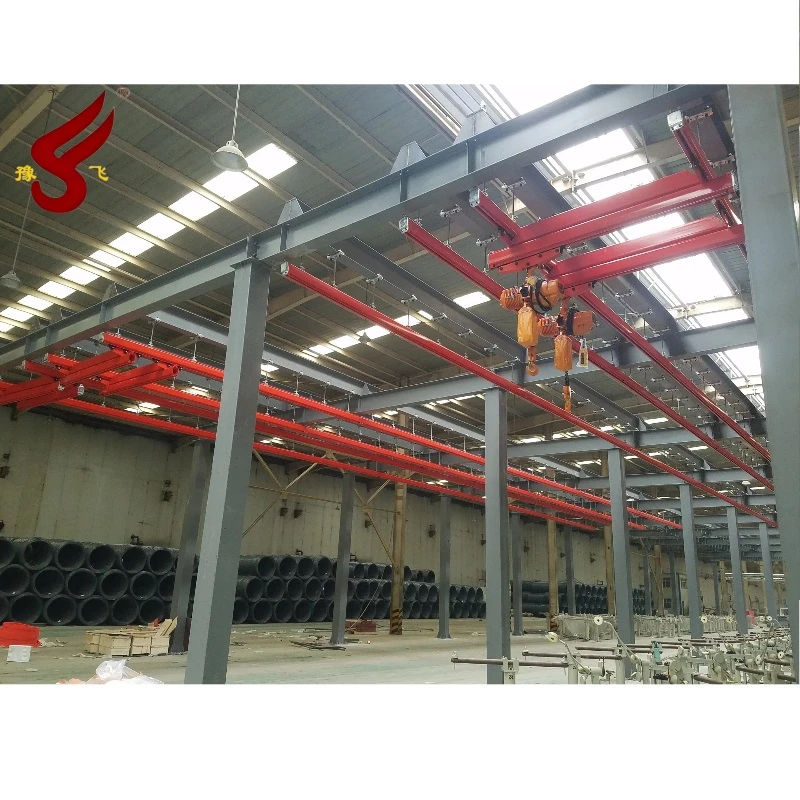
The KBK Light - duty Crane is a modular crane system that's very flexible. However, when assembling or disassembling a KBK crane, you need to follow the manufacturer's instructions carefully. Incorrect assembly can lead to a weak or unstable structure.
Conclusion
Well, that's a pretty comprehensive look at the safety regulations for using a light - duty crane. Safety should always be the top priority when operating these machines. By following these regulations, you can prevent accidents and keep everyone in the workplace safe.
If you're in the market for a light - duty crane, we're here to help. We offer a wide range of high - quality light - duty cranes that meet all the safety standards. Whether you need a gantry crane or a KBK crane, we've got you covered. Contact us to start a procurement discussion and find the perfect crane for your needs.
References
- Crane Manufacturer's Manuals
- Occupational Safety and Health Administration (OSHA) Guidelines for Crane Safety
- Industry Best Practices for Light - duty Crane Operation