


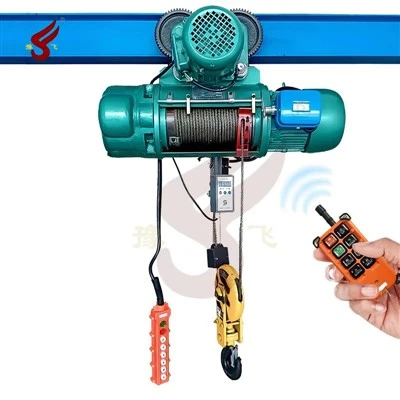


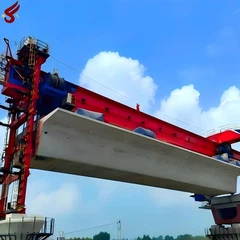
As a seasoned supplier of crane accessories, I've witnessed firsthand the incredible diversity of materials used in crafting these essential components. Crane accessories play a pivotal role in enhancing the functionality, efficiency, and safety of cranes across various industries. From lifting heavy loads to handling delicate materials, each accessory is designed with specific materials to meet the unique demands of its application. In this blog post, I'll explore the different materials commonly used in making crane accessories and their advantages.
Steel
Steel is perhaps the most widely used material in the manufacturing of crane accessories. Renowned for its exceptional strength, durability, and versatility, steel is the go - to choice for many critical components. Structural steel, for instance, is commonly used in the construction of crane booms, jibs, and frames. Its high tensile strength allows these structures to withstand heavy loads and extreme working conditions.
In the case of lifting hooks, forged steel is the material of choice. Forging the steel enhances its grain structure, resulting in a hook that is not only strong but also resistant to cracking and fatigue. This is crucial as lifting hooks are responsible for holding and transporting heavy loads, and any failure could have catastrophic consequences.
Another type of steel, stainless steel, is used in crane accessories that are exposed to corrosive environments. Stainless steel has excellent corrosion resistance, making it ideal for accessories used in marine applications or in industries where chemicals are present. For example, stainless - steel shackles are commonly used in offshore cranes, where they are constantly exposed to saltwater.
Aluminum
Aluminum is another important material in the production of crane accessories. One of the key advantages of aluminum is its low density, which makes it significantly lighter than steel. This property is particularly beneficial in applications where weight reduction is crucial, such as in overhead cranes used in factories with limited floor - loading capacity.
Aluminum alloy is often used to manufacture crane hoists and trolleys. The lightweight nature of aluminum allows for easier movement and operation of these accessories, reducing the overall energy consumption of the crane. Additionally, aluminum has good corrosion resistance, especially when treated with appropriate coatings. This makes it suitable for use in outdoor environments where it may be exposed to the elements.
Cast Iron
Cast iron has a long history of use in the manufacturing of crane accessories. It is known for its excellent castability, which allows for the production of complex shapes with high precision. Cast - iron pulleys are a common example of crane accessories made from this material. Pulleys need to have a smooth surface and a high degree of dimensional accuracy to ensure the proper functioning of the crane's lifting mechanism.
Cast iron also has good wear resistance, which is important for components that are subject to friction and abrasion. For instance, cast - iron brake drums are used in cranes to provide reliable braking performance. The high heat - dissipating capacity of cast iron helps prevent overheating during braking, ensuring the safety and longevity of the braking system.
Rubber
Rubber is a unique material used in crane accessories for its shock - absorbing and sealing properties. In crane buffers, rubber is the primary material. Buffers are installed at the end of crane runways to absorb the impact when the crane reaches the end of its travel. The elasticity of rubber allows it to deform under pressure and then return to its original shape, effectively reducing the force of the impact and protecting the crane and its surrounding structures.
Rubber seals are also used in crane hydraulic systems. These seals prevent the leakage of hydraulic fluid, ensuring the efficient operation of the system. The flexibility and chemical resistance of rubber make it an ideal choice for this application, as it can conform to the shape of the components and withstand the harsh conditions inside the hydraulic system.
Composite Materials
In recent years, composite materials have gained popularity in the manufacturing of crane accessories. Composites are made by combining two or more materials with different properties to create a material with enhanced performance. Carbon fiber composites, for example, are known for their high strength - to - weight ratio.
Carbon fiber composites are used in the production of lightweight yet strong crane booms. By using carbon fiber composites, the weight of the boom can be significantly reduced without sacrificing its strength. This not only improves the crane's mobility but also allows it to lift heavier loads.
Another type of composite material, fiberglass, is used in crane enclosures and covers. Fiberglass is lightweight, corrosion - resistant, and has good insulation properties. It provides protection for the crane's internal components from environmental factors such as dust, moisture, and UV radiation.
Electromagnetic Lifter
An Electromagnetic Lifter is a specialized crane accessory that uses electromagnetic force to lift ferromagnetic materials. These lifters are typically made with a combination of steel and copper. The steel core provides the structural support, while the copper coils are used to generate the electromagnetic field. The use of high - quality steel ensures the durability of the lifter, while the copper coils are designed for efficient energy transfer to create a strong magnetic field.


Grab Bucket
Grab buckets are used for handling bulk materials such as sand, gravel, and coal. They are usually made from high - strength steel plates and wear - resistant alloys. The steel plates form the main structure of the bucket, providing the necessary strength to withstand the forces exerted during the grabbing and lifting process. The wear - resistant alloys are used in the cutting edges and other high - wear areas to extend the service life of the bucket.
Container Spreader
Container spreaders are essential for handling shipping containers. They are typically constructed from high - strength steel and are designed to be lightweight yet durable. The steel used in container spreaders is carefully selected to ensure that it can withstand the heavy loads and dynamic forces associated with container handling. Additionally, advanced manufacturing techniques are used to optimize the design of the spreader, improving its performance and reliability.
In conclusion, the choice of material for crane accessories depends on a variety of factors, including the specific application, the load requirements, the working environment, and the desired performance. As a crane accessories supplier, I understand the importance of using the right materials to ensure the quality and reliability of our products. Whether you need a heavy - duty steel hook for a large - scale construction project or a lightweight aluminum hoist for a small - scale factory, we have the expertise and the materials to meet your needs.
If you're in the market for high - quality crane accessories, I encourage you to get in touch with us. Our team of experts is ready to assist you in selecting the right accessories for your cranes and to provide you with detailed information about our products. We are committed to providing excellent customer service and ensuring that you get the best value for your investment.
References
- ASME B30.21 - Safety Standard for Below - the - Hook Lifting Devices
- ISO 4301 - Cranes - Classification
- Material Science and Engineering textbooks for properties of different materials used in manufacturing