


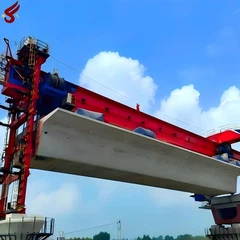
As a supplier of Single Jib Portal Cranes, I understand that encountering problems with these essential pieces of equipment can be frustrating and costly. In this blog post, I'll share some insights on how to troubleshoot common problems of a single jib portal crane.
1. Electrical System Issues
Power Supply Problems
One of the most common electrical issues is a lack of power. First, check the main power switch and ensure it is turned on. If the switch is on but there is still no power, inspect the circuit breaker. A tripped circuit breaker could indicate an overload or a short - circuit in the system. Reset the breaker only if you are confident that the cause of the trip has been resolved. Otherwise, a professional electrician should be called in to diagnose and fix the problem.
Another aspect to consider is the power cable. Examine it for any visible signs of damage such as cuts, abrasions, or fraying. A damaged cable can cause intermittent power supply or even pose a safety hazard. If damage is detected, replace the cable immediately.


Motor Malfunctions
The crane's motor is a critical component. If the motor fails to start, check the motor's control circuit. Look for loose connections, damaged wires, or faulty relays. A multimeter can be used to test the voltage at different points in the circuit to identify where the problem lies.
Overheating of the motor is also a common issue. This can be caused by overloading the crane, poor ventilation, or worn - out bearings. Check the load capacity of the crane and ensure that it is not being exceeded. Clean the motor's cooling fins and make sure the ventilation system is working properly. If the bearings are worn, they should be replaced to prevent further damage to the motor.
2. Mechanical System Problems
Jib Movement Issues
If the jib fails to move smoothly or gets stuck, the first thing to check is the lubrication of the moving parts. Insufficient lubrication can cause increased friction, leading to difficult movement or jamming. Apply the appropriate lubricant to the gears, bearings, and other moving components as recommended by the manufacturer.
Inspect the jib's support structure for any signs of damage or misalignment. A bent or damaged support can restrict the movement of the jib. If damage is found, it is crucial to repair or replace the affected parts to ensure the safe and proper operation of the crane.
Hoisting Mechanism Troubles
The hoisting mechanism is responsible for lifting and lowering the load. If the hoist fails to lift or lower the load, check the brake system. A faulty brake can prevent the hoist from operating correctly. Inspect the brake pads for wear and adjust or replace them if necessary.
The wire rope is another critical part of the hoisting mechanism. Look for signs of wear, such as broken wires or excessive corrosion. A worn wire rope should be replaced immediately to avoid the risk of it breaking during operation. Also, check the drum on which the wire rope is wound. Ensure that the rope is properly wound and there are no kinks or tangles.
3. Hydraulic System Failures
Leaks
Hydraulic systems are prone to leaks. Check all the hydraulic hoses, fittings, and cylinders for any signs of fluid leakage. A small leak can gradually lead to a loss of hydraulic pressure, affecting the performance of the crane. If a leak is detected, identify the source and repair or replace the damaged component.
Low Hydraulic Pressure
Low hydraulic pressure can cause the crane's hydraulic functions, such as the jib movement or hoisting, to operate slowly or not at all. Check the hydraulic fluid level in the reservoir. If it is low, add the appropriate type of hydraulic fluid as specified by the manufacturer.
Also, inspect the hydraulic pump and the relief valve. A malfunctioning pump may not be able to generate sufficient pressure, while a faulty relief valve can cause the pressure to be released prematurely. These components may need to be repaired or replaced by a qualified technician.
4. Safety System Concerns
Limit Switches
Limit switches are designed to prevent the crane from operating beyond its safe limits. If the limit switches are not functioning properly, the crane may continue to move or lift beyond its intended range, posing a significant safety risk. Test the limit switches regularly to ensure they are working correctly. Clean the contacts and adjust them if necessary.
Load Moment Indicator (LMI)
The Load Moment Indicator is an important safety device that monitors the load and the jib's position to prevent overloading. If the LMI is giving inaccurate readings or not working at all, it could lead to overloading the crane. Check the sensors and the wiring of the LMI. If there are any issues, have them repaired by a professional.
5. Operator - Related Problems
Improper Operation
Sometimes, the problems with the crane can be due to improper operation by the operator. Ensure that the operator is properly trained and familiar with the crane's controls and safety procedures. Provide regular training and refresher courses to keep the operators updated on the best practices of operating the single jib portal crane.
Lack of Maintenance Awareness
Operators should also be aware of the importance of regular maintenance. Encourage them to report any unusual noises, vibrations, or other signs of potential problems as soon as they notice them. This can help in detecting and addressing issues before they become major problems.
Conclusion
Troubleshooting common problems of a single jib portal crane requires a systematic approach. By checking the electrical, mechanical, hydraulic, and safety systems, as well as ensuring proper operator training and maintenance awareness, many issues can be identified and resolved in a timely manner.
If you are in the market for a high - quality single jib portal crane or need assistance with troubleshooting your existing crane, we are here to help. Our team of experts has extensive experience in the field and can provide you with the best solutions. We also offer a wide range of other port cranes, such as Ship - to - Shore Container Crane, Floating Crane, and Stacker - Reclaimer.
If you have any questions or would like to discuss your specific requirements, please feel free to reach out to us. We look forward to the opportunity to work with you and provide you with the ideal crane solution for your needs.
References
- Crane Manufacturer's Manuals
- Industry Standards and Guidelines for Crane Operation and Maintenance