




Troubleshooting an electric hoist is a crucial skill for anyone involved in material handling operations. As a reputable electric hoist supplier, we understand the importance of keeping your equipment in optimal working condition. In this blog post, we'll guide you through the process of identifying and resolving common issues that may arise with electric hoists.
Understanding the Basics of Electric Hoists
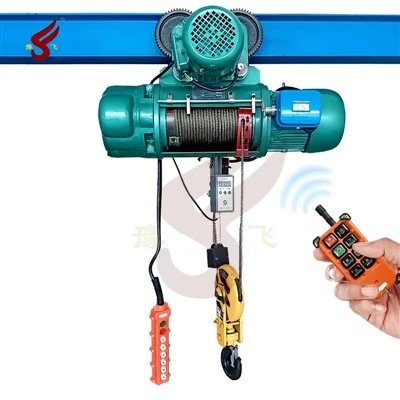
Before diving into troubleshooting, it's essential to have a basic understanding of how electric hoists work. Electric hoists are powered by an electric motor that drives a gearbox, which in turn rotates a drum or chain sprocket to lift or lower loads. They come in various types, including CD1 MD1 Type Electric Hoist, Low Headroom Electric Hoist, and Metallurgical Electric Hoist, each designed for specific applications.
Common Issues and Troubleshooting Steps
1. Hoist Fails to Start
- Check the Power Supply: The first step is to ensure that the hoist is properly connected to a power source. Check the circuit breaker or fuse to make sure it hasn't tripped. If the power supply is interrupted, reset the breaker or replace the fuse.
- Inspect the Control Pendant: The control pendant is used to operate the hoist. Check for any visible damage to the pendant, such as broken wires or buttons. If the pendant is damaged, it may need to be replaced.
- Test the Motor: If the power supply and control pendant are functioning properly, the issue may lie with the motor. Use a multimeter to check the motor's electrical connections and insulation resistance. If the motor is defective, it will need to be repaired or replaced.
2. Hoist Moves Slowly or Unevenly
- Check the Load Capacity: Make sure that the load being lifted does not exceed the hoist's rated capacity. Overloading the hoist can cause it to move slowly or unevenly. If the load is too heavy, reduce it to a safe level.
- Inspect the Brake System: The brake system is responsible for holding the load in place when the hoist is not in operation. Check the brake pads for wear and tear. If the brake pads are worn, they will need to be replaced. Also, make sure that the brake is properly adjusted.
- Lubricate the Moving Parts: Over time, the moving parts of the hoist, such as the gears and bearings, can become dry and cause friction. Lubricate these parts according to the manufacturer's recommendations to ensure smooth operation.
3. Hoist Makes Unusual Noises
- Identify the Source of the Noise: Listen carefully to the hoist to determine where the noise is coming from. It could be the motor, gearbox, or other components. Once you've identified the source, inspect the component for any visible damage or wear.
- Check for Loose Parts: Loose parts can cause rattling or vibrating noises. Inspect the hoist for any loose bolts, nuts, or other fasteners. Tighten them as needed.
- Inspect the Chain or Wire Rope: If the hoist uses a chain or wire rope, check for any signs of damage, such as kinks, cuts, or fraying. If the chain or wire rope is damaged, it will need to be replaced.
4. Hoist Overheats
- Check the Ventilation: The hoist needs proper ventilation to dissipate heat. Make sure that the hoist is not blocked by any objects and that the ventilation openings are clear. If the hoist is located in a confined space, consider installing additional ventilation.
- Reduce the Duty Cycle: The duty cycle refers to the amount of time the hoist is in operation compared to the amount of time it is at rest. If the hoist is being used continuously for long periods, it may overheat. Reduce the duty cycle by allowing the hoist to rest between lifts.
- Inspect the Motor Cooling System: The motor cooling system is designed to keep the motor from overheating. Check the cooling fan and radiator for any blockages or damage. If the cooling system is not functioning properly, it will need to be repaired or replaced.
5. Hoist Chain or Wire Rope Jams
- Stop the Hoist Immediately: If the chain or wire rope jams, stop the hoist immediately to prevent further damage. Do not attempt to force the hoist to continue operating.
- Inspect the Chain or Wire Rope: Carefully examine the chain or wire rope for any kinks, knots, or other obstructions. If the jam is caused by a kink or knot, try to straighten it out. If the chain or wire rope is severely damaged, it will need to be replaced.
- Check the Sprocket or Drum: The sprocket or drum is where the chain or wire rope wraps around. Inspect the sprocket or drum for any damage or debris that may be causing the jam. Clean the sprocket or drum and remove any obstructions.
Preventive Maintenance Tips
In addition to troubleshooting, regular preventive maintenance is essential to keep your electric hoist in good working condition. Here are some preventive maintenance tips:
- Follow the Manufacturer's Recommendations: The manufacturer provides specific maintenance instructions for the hoist. Follow these instructions carefully to ensure proper operation and longevity.
- Inspect the Hoist Regularly: Conduct visual inspections of the hoist on a regular basis to check for any signs of damage or wear. Look for loose parts, cracks, or other issues that may need to be addressed.
- Lubricate the Moving Parts: As mentioned earlier, lubricating the moving parts of the hoist is important for smooth operation. Follow the manufacturer's recommendations for lubrication intervals and use the appropriate lubricant.
- Train the Operators: Proper training of the hoist operators is crucial to prevent accidents and ensure the safe and efficient use of the equipment. Make sure that all operators are familiar with the hoist's operation, safety features, and maintenance requirements.
When to Seek Professional Help
While many electric hoist issues can be resolved through troubleshooting and preventive maintenance, there are times when it's best to seek professional help. If you're unsure about how to troubleshoot a particular problem or if the hoist requires major repairs, contact a qualified electric hoist technician. They have the expertise and tools to diagnose and fix complex issues safely and effectively.
Conclusion
Troubleshooting an electric hoist requires a systematic approach and a basic understanding of how the hoist works. By following the steps outlined in this blog post, you can identify and resolve common issues that may arise with your electric hoist. Remember to perform regular preventive maintenance to keep your hoist in optimal working condition. If you have any questions or need further assistance with your electric hoist, don't hesitate to contact us. We're here to help you find the right solution for your material handling needs. Whether you're in the market for a new CD1 MD1 Type Electric Hoist, Low Headroom Electric Hoist, or Metallurgical Electric Hoist, or you need help with troubleshooting and maintenance, we're just a message away. Let's start a conversation about your requirements and find the best electric hoist solution for you.


References
- Manufacturer's Manuals for Electric Hoists
- Industry Standards for Material Handling Equipment