


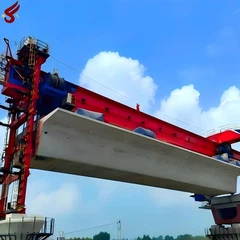
As a supplier of rubber-tired gantry cranes, I understand the challenges that come with operating these powerful machines in winter conditions. Freezing temperatures can pose significant risks to the functionality and longevity of rubber-tired gantry cranes. In this blog post, I will share some effective strategies on how to protect a rubber-tired gantry crane from freezing in winter.


Understanding the Risks of Freezing
Before diving into the protection measures, it's crucial to understand the potential risks that freezing temperatures can bring to a rubber-tired gantry crane. Cold weather can cause various components of the crane to malfunction or even get damaged. For example, the rubber tires can become brittle and lose their flexibility, increasing the risk of cracking. The hydraulic systems may experience reduced performance due to the thickening of the hydraulic fluid, which can lead to slower operation and potential damage to the pumps and valves. Electrical components are also vulnerable to freezing, as moisture can accumulate and cause short circuits or corrosion.
Pre - Winter Inspection and Maintenance
A comprehensive pre - winter inspection and maintenance program is the first step in protecting your rubber-tired gantry crane.
- Tire Inspection: Check the condition of the rubber tires thoroughly. Look for signs of wear, cuts, or bulges. Ensure that the tires are properly inflated, as under - inflated tires can increase the risk of damage in cold weather. If any issues are detected, replace the tires immediately.
- Hydraulic System: Drain and replace the hydraulic fluid with a type that is suitable for cold weather. Cold - rated hydraulic fluids have lower viscosity at low temperatures, ensuring smooth operation of the hydraulic system. Inspect all hydraulic hoses and connections for leaks or damage, and repair or replace them as necessary.
- Electrical System: Examine the electrical wiring, connectors, and control panels for any signs of damage or corrosion. Clean the electrical components to remove any dirt or moisture. Consider using electrical insulation materials to protect sensitive components from the cold.
- Lubrication: Apply a high - quality lubricant to all moving parts, such as bearings, gears, and joints. Lubrication helps reduce friction and prevents the parts from seizing up in cold weather.
Protecting the Crane Structure
The structure of the rubber-tired gantry crane also needs protection from the cold.
- Coating: Apply a protective coating to the metal parts of the crane to prevent rust and corrosion. A good quality paint or anti - rust coating can provide a barrier against moisture and salt, which are common in winter environments.
- Covering: Consider using a crane cover when the crane is not in use. A cover can protect the crane from snow, ice, and wind, reducing the exposure to harsh winter conditions. Make sure the cover is properly secured to prevent it from being blown away.
Temperature Monitoring and Heating
Monitoring the temperature and providing adequate heating can help maintain the functionality of the crane.
- Temperature Sensors: Install temperature sensors at key locations on the crane, such as near the hydraulic system, electrical components, and tires. These sensors can provide real - time temperature data, allowing you to take appropriate action if the temperature drops too low.
- Heating Systems: Install heating systems in critical areas of the crane. For example, you can use electric heaters in the control room to keep the operators comfortable and ensure the proper functioning of the control equipment. In the hydraulic system, you can use heat tracing to keep the hydraulic fluid at an optimal temperature.
Training and Operator Awareness
Proper training of operators is essential for protecting the rubber-tired gantry crane in winter.
- Winter Operation Training: Provide operators with training on winter - specific crane operation procedures. Teach them how to recognize the signs of cold - related problems and how to take preventive measures. For example, operators should be aware of the increased braking distance on icy surfaces and adjust their driving accordingly.
- Regular Checks: Encourage operators to perform regular checks on the crane before and after each use. This includes checking the tire pressure, hydraulic fluid levels, and the condition of the electrical system.
Choosing the Right Crane for Cold Environments
When selecting a rubber-tired gantry crane, it's important to consider the crane's suitability for cold environments.
- Cold - Rated Components: Look for cranes that are equipped with cold - rated components, such as cold - resistant tires, hydraulic fluids, and electrical systems. These components are designed to perform well in low - temperature conditions.
- Insulation and Heating Options: Some cranes come with built - in insulation and heating options. These features can provide additional protection against freezing and ensure reliable operation in winter.
If you are interested in our Single Girder Rubber-Tired Gantry Crane or Double Girder Rubber-Tired Gantry Crane, which are designed with winter protection in mind, please feel free to contact us for more information and to discuss your specific requirements. Our team of experts is ready to assist you in finding the best crane solution for your needs.
References
- Crane Manufacturer's Manuals
- Industry Standards for Crane Operation in Cold Weather
- Research Papers on Cold - Weather Effects on Heavy Machinery