


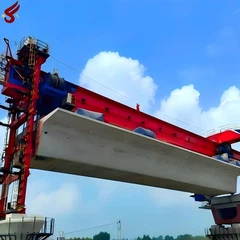
Operating a rubber-tired gantry crane safely is of utmost importance in any industrial or construction setting. As a supplier of rubber-tired gantry cranes, I understand the significance of ensuring that these powerful machines are used in a manner that minimizes risks and maximizes efficiency. In this blog post, I will share some essential tips on how to operate a rubber-tired gantry crane safely.
Pre - operation Checks
Before starting the operation of a rubber - tired gantry crane, a comprehensive pre - operation check is crucial. This involves inspecting the mechanical, electrical, and structural components of the crane.
Mechanical Inspection
Examine the tires for proper inflation and any signs of damage such as cuts, bulges, or excessive wear. The hoisting mechanism, including the wire ropes, sheaves, and hooks, should be inspected for wear and tear. Check the brakes to ensure they are functioning correctly. The gears and bearings should also be lubricated as per the manufacturer's recommendations.
Electrical Inspection
Inspect the electrical system for any loose connections, frayed wires, or damaged insulation. Test the emergency stop buttons to make sure they are working properly. Check the control panel for any error messages or abnormal readings.
Structural Inspection
Look for any signs of cracks, deformation, or corrosion on the crane's structure. Pay special attention to the girders, legs, and joints. Ensure that all bolts and nuts are tightened securely.
Operator Training
One of the most important aspects of safe crane operation is proper operator training. Operators should be trained by a qualified instructor who is familiar with the specific model of the rubber - tired gantry crane.
Theoretical Training
Theoretical training should cover the basic principles of crane operation, including load capacity, stability, and safety regulations. Operators should learn about the different controls on the crane, such as the hoist, trolley, and gantry movement controls. They should also understand the importance of pre - operation checks and how to perform them correctly.
Practical Training
Practical training allows operators to gain hands - on experience in operating the crane. They should practice lifting and moving loads in a controlled environment under the supervision of an experienced instructor. This helps them develop the skills and confidence needed to operate the crane safely in real - world situations.
Load Handling
Proper load handling is essential for safe crane operation. Overloading a crane can lead to structural failure, tipping, and other serious accidents.
Know the Load Capacity
Before lifting a load, the operator must know the maximum load capacity of the crane. This information can be found in the crane's manual or on the load capacity chart. The load capacity of a rubber - tired gantry crane may vary depending on factors such as the boom length, angle, and the position of the load.
Center the Load
The load should be centered on the hook to ensure balanced lifting. An unbalanced load can cause the crane to tip or sway during operation. Use slings or other lifting devices to secure the load and keep it centered.
Avoid Sudden Movements
When lifting or moving a load, avoid making sudden or jerky movements. Sudden movements can cause the load to swing or shift, increasing the risk of accidents. Lift and lower the load smoothly and gradually.
Crane Stability
Maintaining crane stability is crucial to prevent tipping. Rubber - tired gantry cranes rely on their tires and counterweights to maintain stability.
Level Ground
The crane should be operated on a level and stable surface. Uneven ground can cause the crane to tilt, increasing the risk of tipping. Use leveling devices if necessary to ensure that the crane is level before operation.
Counterweight Management
Proper counterweight management is essential for crane stability. The counterweights should be installed and adjusted according to the manufacturer's specifications. Do not remove or add counterweights without proper authorization.
Safety Devices
Rubber - tired gantry cranes are equipped with various safety devices to prevent accidents. Operators should be familiar with these devices and ensure that they are functioning correctly.
Load Moment Indicator (LMI)
An LMI is a device that monitors the load and the crane's position to prevent overloading. It provides real - time information to the operator about the load capacity and the crane's stability. If the load approaches or exceeds the maximum capacity, the LMI will发出 an alarm to alert the operator.


Limit Switches
Limit switches are used to prevent the crane from moving beyond its safe operating limits. For example, there are limit switches for the hoist to prevent over - hoisting and for the trolley and gantry to prevent them from moving off the rails.
Emergency Stop Button
The emergency stop button is a critical safety device that allows the operator to immediately stop the crane in case of an emergency. It should be easily accessible and in good working condition at all times.
Weather Conditions
Weather conditions can have a significant impact on the safe operation of a rubber - tired gantry crane.
Wind
High winds can affect the stability of the crane and the load. Operators should be aware of the wind speed and direction before starting the operation. If the wind speed exceeds the recommended limit, the crane should not be operated.
Rain and Snow
Rain and snow can make the ground slippery, reducing the crane's stability. They can also cause electrical problems if the crane's electrical components are not properly protected. In wet weather conditions, extra precautions should be taken, such as using anti - slip mats and covering the electrical components.
Maintenance and Inspection
Regular maintenance and inspection are essential for keeping the rubber - tired gantry crane in safe working condition.
Scheduled Maintenance
Follow the manufacturer's recommended maintenance schedule for the crane. This may include tasks such as lubrication, filter replacement, and component inspection. Regular maintenance helps to prevent breakdowns and extend the lifespan of the crane.
Unscheduled Inspections
In addition to scheduled maintenance, unscheduled inspections should be carried out whenever there is a change in the crane's operating conditions or if there are any signs of problems. For example, if the crane has been involved in a minor collision, an inspection should be conducted to ensure that there is no hidden damage.
Conclusion
Operating a rubber - tired gantry crane safely requires a combination of proper pre - operation checks, operator training, load handling, stability management, and the use of safety devices. By following these guidelines, operators can minimize the risk of accidents and ensure the efficient and safe operation of the crane.
If you are in the market for a rubber - tired gantry crane, we offer a wide range of high - quality products, including Double Girder Rubber-Tired Gantry Crane and Single Girder Rubber-Tired Gantry Crane. Our cranes are designed with safety and reliability in mind, and we can provide you with the necessary training and support to ensure that you operate them safely. Contact us today to discuss your specific requirements and start the procurement process.
References
- "Crane Safety Handbook" by National Crane Safety Association
- Manufacturer's manuals for rubber - tired gantry cranes