


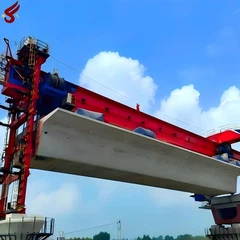
Operating a gantry crane in a confined space can be a real challenge, but with the right know - how, it can be done safely and efficiently. As a gantry crane supplier, I've seen firsthand the importance of proper operation in tight quarters. In this blog, I'll share some tips and tricks on how to handle a gantry crane when space is limited.
Pre - operation Checks
Before you even think about starting up the gantry crane, a thorough pre - operation check is essential. First off, examine the crane's structure. Look for any signs of damage, like cracks in the beams or loose bolts. In a confined space, any structural weakness can be magnified, leading to potential disasters.
Next, check the hoisting mechanism. Make sure the cables are in good condition, without any fraying or excessive wear. The brakes also need to be inspected. They should be responsive and able to hold the load securely. In a tight area, you'll need precise control over the hoisting and lowering of the load, so the brakes must work perfectly.
Don't forget about the electrical system. Check for any loose connections, damaged wires, or malfunctioning switches. A short circuit in a confined space can not only stop the crane from working but also pose a serious safety hazard.
Planning the Operation
Once the pre - operation checks are done, it's time to plan the crane operation. Start by measuring the confined space. You need to know the exact dimensions, including the height, width, and length. This will help you determine the maximum load the crane can handle and the range of movement it can have.
Create a detailed map of the area. Mark any obstacles, such as columns, pipes, or other equipment. This will give you a clear picture of the path the crane needs to take. You can also use this map to identify potential blind spots where the operator may have limited visibility.
Coordinate with the team on the ground. Everyone involved in the operation should be aware of the plan. Assign specific roles and responsibilities, such as signalers and spotters. In a confined space, clear communication is crucial to avoid accidents.
Operating the Crane
When it comes to actually operating the gantry crane in a confined space, slow and steady is the key. Start by moving the crane at a low speed. This will give you more time to react to any unexpected situations. Use the crane's controls gently, making small adjustments as needed.
Keep a close eye on the load. In a tight area, the load can easily swing and hit an obstacle. Make sure the load is balanced and centered on the hooks. If the load starts to sway, use the crane's controls to correct it immediately.
Use the spotters and signalers effectively. They can provide you with information about your surroundings that you may not be able to see from the operator's cabin. Follow their signals carefully, and don't hesitate to ask for clarification if you're unsure.
Dealing with Obstacles
Obstacles are a common challenge when operating a gantry crane in a confined space. When approaching an obstacle, stop the crane and assess the situation. If possible, try to move the obstacle out of the way. However, if this isn't an option, you'll need to find a way to work around it.
One approach is to use the crane's telescopic or articulating features, if available. These can help you reach the load without having to move the entire crane. For example, if there's a column in the way, you can extend the boom to reach over it.
Another option is to re - position the load. Sometimes, by changing the angle or height of the load, you can avoid hitting an obstacle. This may require some trial and error, but it can be an effective solution.
Safety Precautions
Safety should always be the top priority when operating a gantry crane in a confined space. Wear appropriate personal protective equipment (PPE), such as hard hats, safety glasses, and steel - toed boots. Make sure all workers in the area are also wearing the necessary PPE.
Install additional safety devices, such as proximity sensors and collision alarms. These can help you detect obstacles and other objects in the vicinity of the crane. They can also alert you if the crane is getting too close to a wall or another piece of equipment.
Have an emergency plan in place. In case of an accident or malfunction, everyone should know what to do. This includes procedures for evacuating the area, shutting down the crane, and providing first aid.
Our Gantry Crane Products
As a gantry crane supplier, we offer a wide range of gantry cranes suitable for various applications, including confined spaces. For example, our RMG Type Rail Mounted Container Gantry Crane is designed for efficient container handling in ports and yards. It can be customized to fit different space requirements.
If you're working in a hydroelectric power station, our SDMQ Type Hydroelectric Power Station Gantry Crane is a great choice. It's built to handle heavy loads in the challenging environment of a power station, even in confined areas.
And for those who need to handle bulk materials, our MZ Type Grab Bucket Gantry Crane is ideal. It can quickly and efficiently load and unload materials using its grab bucket, and it can be operated in relatively small spaces.


Contact Us for Purchase
If you're interested in our gantry cranes or need more information on how to operate them in confined spaces, don't hesitate to get in touch. We're here to help you find the right crane for your needs and provide you with all the support you need for a successful operation.
References
- Crane Safety Manual, Occupational Safety and Health Administration (OSHA)
- Gantry Crane Operation Guide, Industry Standards Association