


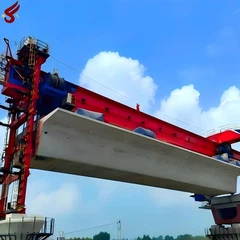
In the realm of industrial operations, the reliability of light - duty cranes is of paramount importance. As a seasoned light - duty crane supplier, I've witnessed firsthand the impact that a reliable crane can have on productivity, safety, and overall operational efficiency. In this blog, I'll share some key strategies on how to improve the reliability of a light - duty crane.
1. High - Quality Design and Manufacturing
The foundation of a reliable light - duty crane lies in its design and manufacturing. At our company, we invest heavily in research and development to ensure that our cranes are designed to meet the highest standards. We use advanced computer - aided design (CAD) software to optimize the structure of the crane, reducing stress concentrations and improving load - bearing capacity.
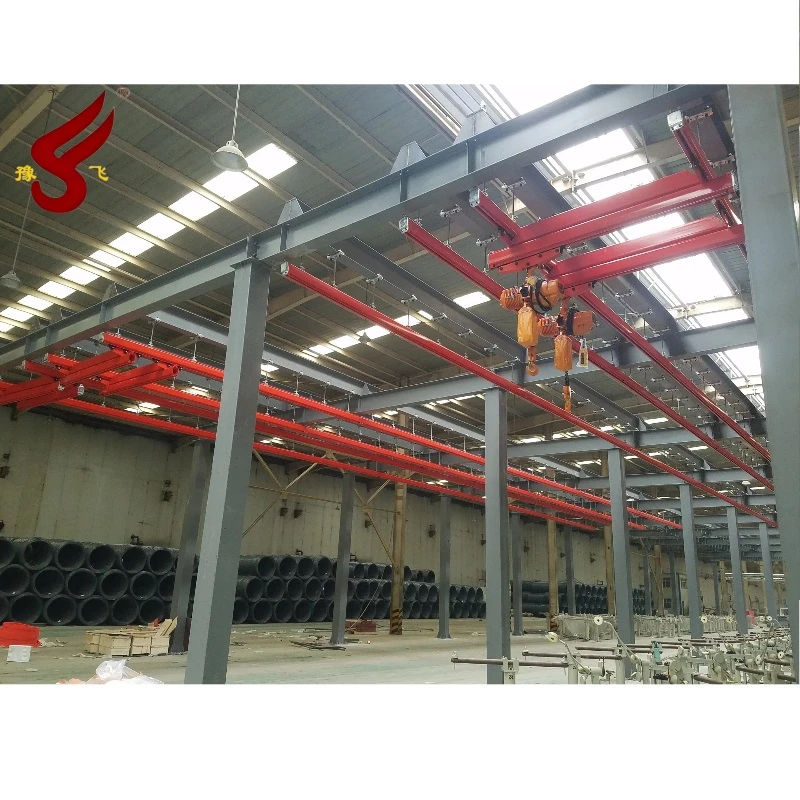

For example, our Light - duty Gantry Crane is designed with a robust frame that can withstand the rigors of daily use. The gantry structure is engineered to provide maximum stability, even when lifting heavy loads. We also pay close attention to the details, such as the selection of high - quality materials for critical components like the hoist, trolley, and wheels.
In manufacturing, we adhere to strict quality control processes. Every component is inspected at multiple stages of production to ensure that it meets our specifications. We use state - of - the - art manufacturing equipment, such as CNC machining centers, to ensure the precision of parts. This attention to detail in design and manufacturing significantly improves the reliability of our light - duty cranes.
2. Regular Maintenance and Inspections
Regular maintenance and inspections are essential for ensuring the long - term reliability of a light - duty crane. Even the most well - designed and manufactured crane will experience wear and tear over time. By performing regular maintenance, we can identify and address potential issues before they become major problems.
We recommend a comprehensive maintenance schedule that includes daily, weekly, monthly, and annual inspections. During daily inspections, operators should check for any visible signs of damage, such as loose bolts, cracked welds, or frayed cables. Weekly inspections can focus on more detailed checks, such as lubrication levels and the operation of safety devices.
Monthly and annual inspections are more in - depth. They may involve testing the crane's load - bearing capacity, checking the alignment of components, and inspecting the electrical system. By following a strict maintenance schedule, we can extend the lifespan of the crane and reduce the risk of unexpected breakdowns.
In addition to scheduled maintenance, we also offer on - call maintenance services. Our team of experienced technicians can respond quickly to any issues that arise, ensuring minimal downtime for our customers.
3. Operator Training
The reliability of a light - duty crane is also closely related to the skills and knowledge of its operators. Proper operator training is crucial for safe and efficient crane operation. At our company, we provide comprehensive training programs for crane operators.
Our training programs cover a wide range of topics, including crane operation, safety procedures, load handling, and maintenance. We use a combination of classroom instruction and hands - on training to ensure that operators have a thorough understanding of the equipment.
During the hands - on training, operators have the opportunity to practice operating the crane in a controlled environment. They learn how to handle different types of loads, how to use the crane's safety features effectively, and how to perform basic maintenance tasks. By investing in operator training, we can reduce the risk of operator - error - related breakdowns and improve the overall reliability of the crane.
4. Upgrading and Modernizing
Technology is constantly evolving, and it's important to keep our light - duty cranes up - to - date. Upgrading and modernizing the crane can significantly improve its reliability and performance. For example, we can upgrade the control system of the crane to a more advanced and user - friendly system. This not only makes the crane easier to operate but also allows for more precise control, reducing the risk of accidents.
We can also install new safety features, such as overload protection devices and collision avoidance systems. These features can prevent damage to the crane and its surroundings, improving the overall reliability of the equipment.
Our KBK Light - duty Crane is a perfect example of a crane that can benefit from upgrades. With its modular design, it's relatively easy to add new components and features to the crane as technology advances.
5. Monitoring and Data Analysis
In today's digital age, monitoring and data analysis have become powerful tools for improving the reliability of light - duty cranes. By installing sensors on the crane, we can collect real - time data on its performance, such as load, speed, and vibration. This data can be analyzed to identify trends and potential issues before they lead to breakdowns.
For example, if the vibration level of the crane increases over time, it could indicate a problem with the bearings or the structure. By analyzing the data, we can schedule maintenance or repairs before the problem becomes more serious.
We also use data analysis to optimize the operation of the crane. By analyzing the load patterns and usage data, we can adjust the crane's settings and maintenance schedule to improve its efficiency and reliability.
6. Supplier Support
As a light - duty crane supplier, we understand the importance of providing excellent support to our customers. We offer a wide range of services, including technical support, spare parts supply, and crane customization.
Our technical support team is available 24/7 to answer any questions that our customers may have. Whether it's a problem with the operation of the crane or a maintenance issue, our team can provide prompt and effective solutions.
We also maintain a large inventory of spare parts to ensure that we can quickly replace any damaged components. This reduces the downtime of the crane and improves its reliability.
In addition, we offer crane customization services to meet the specific needs of our customers. Whether it's a special lifting capacity, a unique working environment, or a specific control requirement, we can design and manufacture a customized light - duty crane for our customers.
Conclusion
Improving the reliability of a light - duty crane is a multi - faceted process that involves high - quality design and manufacturing, regular maintenance and inspections, operator training, upgrading and modernizing, monitoring and data analysis, and strong supplier support. As a light - duty crane supplier, we are committed to providing our customers with the most reliable and efficient cranes on the market.
If you're in the market for a light - duty crane or looking to improve the reliability of your existing crane, we'd love to hear from you. Contact us today to start a discussion about your specific needs and how we can help you achieve your goals.
References
- [1] Industry standards for light - duty crane design and manufacturing.
- [2] Research papers on crane maintenance and reliability improvement.
- [3] Manufacturer's manuals for light - duty crane components.