


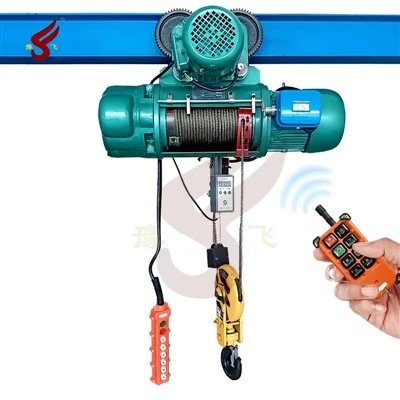


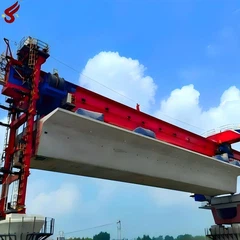
Hey there! As a supplier of light-duty cranes, I've seen firsthand how crucial it is to ensure these machines run smoothly. Light-duty cranes are used in various industries, from small workshops to large warehouses, and their smooth operation can significantly impact productivity and safety. In this blog, I'll share some tips on how to keep your light-duty crane in top-notch condition.
Regular Inspections
One of the most important steps in ensuring the smooth operation of a light-duty crane is regular inspections. You should conduct visual inspections before each use. Check for any obvious signs of damage, such as cracks, bent parts, or loose bolts. Pay special attention to the cables, hooks, and pulleys, as these are critical components that can wear out over time.
For a more in-depth inspection, schedule a comprehensive check at least once a month. This should include a detailed examination of all mechanical and electrical parts. Look for signs of wear and tear, corrosion, and proper lubrication. If you notice any issues during these inspections, address them immediately. Don't wait for a small problem to turn into a major breakdown.
Proper Training
Another key factor is proper training for the operators. A well-trained operator is less likely to make mistakes that could lead to crane malfunctions or accidents. Make sure your operators understand the crane's controls, safety features, and load capacity. They should also know how to perform basic maintenance tasks, such as lubrication and cleaning.
Training should be ongoing, as new technologies and safety standards are constantly emerging. Provide refresher courses regularly to keep your operators up-to-date. Encourage them to ask questions and share their experiences, as this can help improve overall safety and efficiency.
Maintenance Schedule
Establishing a regular maintenance schedule is essential. This should include tasks such as lubrication, cleaning, and replacement of worn parts. Lubrication is particularly important, as it reduces friction and wear on moving parts. Use the recommended lubricants for your specific crane model, and follow the manufacturer's guidelines on how often to lubricate.
Cleaning is also crucial. Remove any dirt, debris, or dust from the crane regularly. This not only helps prevent corrosion but also ensures that the crane's sensors and controls work properly. Keep the work area around the crane clean as well, to avoid any potential hazards.
Choose the Right Crane for the Job
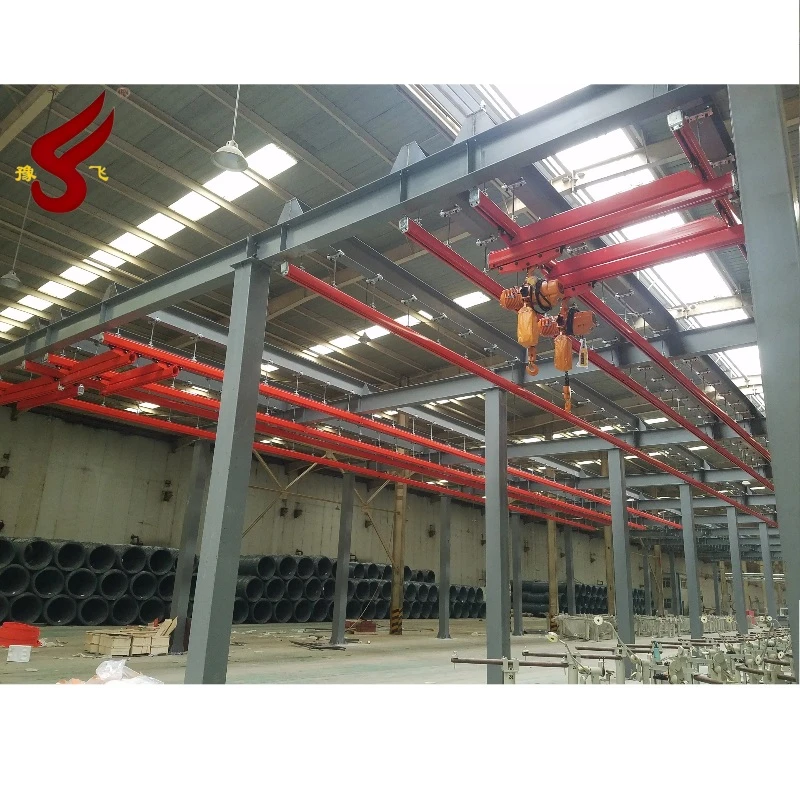
Selecting the appropriate light-duty crane for your specific application is vital. Different cranes have different load capacities, reach, and features. For example, if you need to move loads in a small, confined space, a KBK Light-duty Crane might be a good choice. It's flexible and can be easily installed in tight areas.
On the other hand, if you need to lift loads outdoors or in a large open area, a Light-duty Gantry Crane could be more suitable. It offers greater stability and can handle heavier loads. Make sure to consult with a professional when choosing a crane to ensure you get the right one for your needs.
Monitor the Load
Overloading a light-duty crane is a common cause of malfunctions and accidents. Always check the load capacity of your crane before lifting any load. Make sure the load is evenly distributed and properly secured. Avoid sudden starts and stops, as these can put additional stress on the crane's components.
Use load monitoring devices if available. These can help you ensure that you're not exceeding the crane's capacity. If you notice any signs of strain on the crane, such as unusual noises or vibrations, stop the operation immediately and check the load.
Keep Spare Parts on Hand
Having a stock of spare parts can save you a lot of time and money in case of a breakdown. Identify the critical parts that are most likely to wear out or fail, such as cables, hooks, and bearings. Keep an adequate supply of these parts on hand, so you can quickly replace them when needed.
Make sure the spare parts are of high quality and compatible with your crane model. Store them in a clean, dry place to prevent damage. Regularly check the condition of the spare parts to ensure they're still in good working order.

Follow Safety Regulations
Safety should always be your top priority when operating a light-duty crane. Follow all local and national safety regulations, as well as the manufacturer's guidelines. Provide your operators with personal protective equipment (PPE), such as hard hats, safety glasses, and gloves.
Install safety devices on the crane, such as limit switches, overload protection, and emergency stop buttons. Make sure these devices are regularly tested and maintained. Conduct safety drills regularly to ensure that your operators know what to do in case of an emergency.
Address Issues Promptly
If you notice any problems with your light-duty crane, don't ignore them. Address them as soon as possible to prevent further damage or safety risks. Even minor issues, such as a loose bolt or a small leak, can lead to more significant problems if left unattended.
Keep a record of all maintenance and repairs. This can help you track the crane's performance over time and identify any recurring issues. If you're not sure how to fix a problem, contact a professional crane technician.
Conclusion
Ensuring the smooth operation of a light-duty crane requires a combination of regular inspections, proper training, maintenance, and safety measures. By following these tips, you can keep your crane running efficiently and safely, which will ultimately save you time and money.
If you're in the market for a light-duty crane or need more information on crane maintenance, feel free to reach out. We're here to help you find the right solution for your needs. Let's work together to ensure your operations run smoothly!
References
- Crane Manufacturer's Manuals
- Industry Safety Standards and Guidelines
- Professional Crane Technician Recommendations