


Adjusting the speed of a crane hoist is a critical task that requires a good understanding of the equipment and the underlying principles. As a crane accessories supplier, I have encountered numerous situations where customers needed guidance on this matter. In this blog, I will share some insights on how to adjust the speed of a crane hoist effectively.
Understanding the Basics of Crane Hoist Speed Control
Before delving into the adjustment process, it is essential to understand the different types of speed control systems commonly used in crane hoists. There are generally two main types: mechanical and electrical speed control.
Mechanical speed control systems rely on physical components such as gears, pulleys, and clutches to change the speed of the hoist. These systems are often simple and reliable but may have limited speed adjustment ranges. For example, a gear - based system can provide a set of discrete speed options, and the operator selects the appropriate gear ratio to achieve the desired speed.
Electrical speed control systems, on the other hand, use electronic components like variable frequency drives (VFDs) or servo controllers. VFDs are particularly popular as they can provide a wide range of speed adjustments by varying the frequency of the electrical power supplied to the hoist motor. This allows for smooth and precise speed control, which is crucial in many industrial applications.
Factors Affecting Crane Hoist Speed
Several factors can influence the speed of a crane hoist, and understanding these is key to making accurate adjustments.
- Load Capacity: The weight of the load being lifted has a significant impact on the hoist speed. A heavier load will generally require a slower lifting speed to ensure safe and stable operation. Most crane hoists are designed with a maximum load capacity, and the speed may be automatically reduced when approaching or exceeding this limit.
- Motor Power: The power of the hoist motor determines its ability to drive the load at a certain speed. A more powerful motor can typically lift heavier loads at higher speeds. However, it is important to match the motor power with the requirements of the application to avoid over - or under - sizing.
- Rope Drum and Cable: The diameter and length of the wire rope drum and the type of cable used can also affect the hoist speed. A larger diameter drum will result in a faster lifting speed for a given motor rotation speed, while a longer cable may introduce additional friction and reduce the overall efficiency. You can find a suitable Wire Rope Drum from our product range to optimize the performance of your crane hoist.
- Environmental Conditions: Factors such as temperature, humidity, and the presence of dust or debris can impact the operation of the hoist. Extreme temperatures can affect the performance of the motor and other components, while dust and debris can cause wear and tear on moving parts, potentially reducing the speed and efficiency of the hoist.
Adjusting the Speed of a Crane Hoist
Mechanical Speed Control Adjustment
If your crane hoist uses a mechanical speed control system, the adjustment process typically involves the following steps:
- Identify the Gear or Clutch System: Locate the gearbox or clutch mechanism that controls the speed. This may require referring to the hoist's manual or consulting with a technician.
- Select the Appropriate Gear Ratio: Based on the load requirements and the desired speed, select the appropriate gear ratio. This may involve shifting gears using a lever or other mechanical means.
- Test the Adjustment: After making the gear change, test the hoist by lifting a small load at the new speed. Observe the operation carefully to ensure that it is smooth and stable. If necessary, make further adjustments until the desired speed is achieved.
Electrical Speed Control Adjustment
For crane hoists with electrical speed control systems, such as those using VFDs, the adjustment process is more complex but offers greater flexibility.
- Access the VFD Control Panel: Locate the control panel of the VFD. This is usually a digital interface that allows you to access various settings and parameters.
- Set the Base Frequency and Voltage: The base frequency and voltage determine the maximum speed and power output of the motor. These settings are typically pre - programmed by the manufacturer but may need to be adjusted based on the specific requirements of your application.
- Adjust the Speed Reference: Use the control panel to set the desired speed reference. This can be done by entering a specific speed value or by using a potentiometer or other input device to adjust the speed continuously.
- Configure the Acceleration and Deceleration Times: To ensure smooth operation, it is important to configure the acceleration and deceleration times. These settings determine how quickly the hoist accelerates to the desired speed and decelerates when stopping.
- Test and Fine - Tune: After making the initial adjustments, test the hoist by lifting a load. Monitor the speed and performance closely and make any necessary fine - tuning adjustments to the VFD settings.
Safety Considerations
When adjusting the speed of a crane hoist, safety should always be the top priority. Here are some important safety considerations:
- Follow Manufacturer's Instructions: Always refer to the hoist's manual and follow the manufacturer's instructions for speed adjustment. Deviating from these instructions can lead to unsafe operation and potential damage to the equipment.
- Use Appropriate Personal Protective Equipment (PPE): When working on or near the hoist, wear appropriate PPE, such as safety glasses, gloves, and hard hats.
- Inspect the Equipment Regularly: Before and after making any speed adjustments, inspect the hoist for any signs of damage or wear. Check the ropes, cables, gears, and electrical components to ensure that they are in good working condition.
- Have a Qualified Technician on Standby: If you are unsure about any aspect of the speed adjustment process, it is recommended to have a qualified technician available to assist you.
Optimizing Crane Hoist Performance with Accessories
In addition to adjusting the speed, using the right accessories can significantly enhance the performance of your crane hoist.
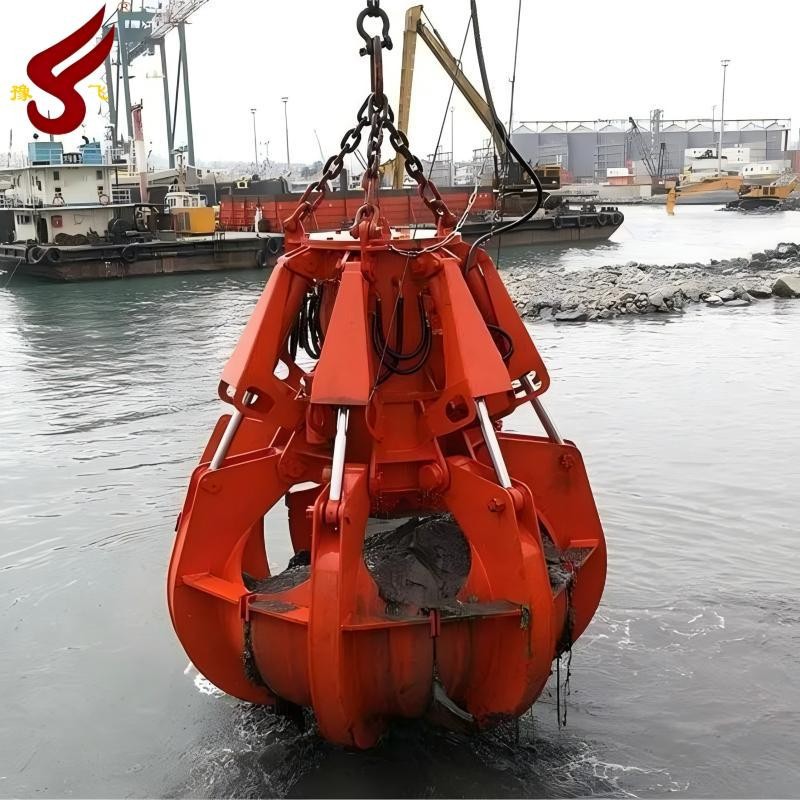
- Grab Bucket: A Grab Bucket is a useful accessory for handling bulk materials such as sand, gravel, or coal. It can improve the efficiency of the hoist by allowing for quick and easy loading and unloading of materials.
- Electromagnetic Lifter: An Electromagnetic Lifter is ideal for lifting ferromagnetic materials such as steel plates or bars. It provides a secure and efficient way to handle these materials, reducing the risk of damage and improving productivity.
Conclusion
Adjusting the speed of a crane hoist is a complex but essential task that requires a good understanding of the equipment and the relevant safety procedures. By considering the factors that affect hoist speed, following the appropriate adjustment methods, and using the right accessories, you can optimize the performance of your crane hoist and ensure safe and efficient operation.

If you have any questions about crane hoist speed adjustment or are interested in our range of crane accessories, please feel free to contact us for further discussion and potential procurement. We are committed to providing high - quality products and professional solutions to meet your needs.
References
- Crane Hoist Operation Manuals from Various Manufacturers
- Industrial Electrical and Mechanical Engineering Textbooks
- Technical Papers on Crane Hoist Speed Control Systems