




Hey there! I'm an industry insider from a port crane supplier, and I'm super stoked to chat with you about how port cranes keep operators safe. It's a topic that's close to my heart because the safety of those working with these massive machines is of utmost importance.
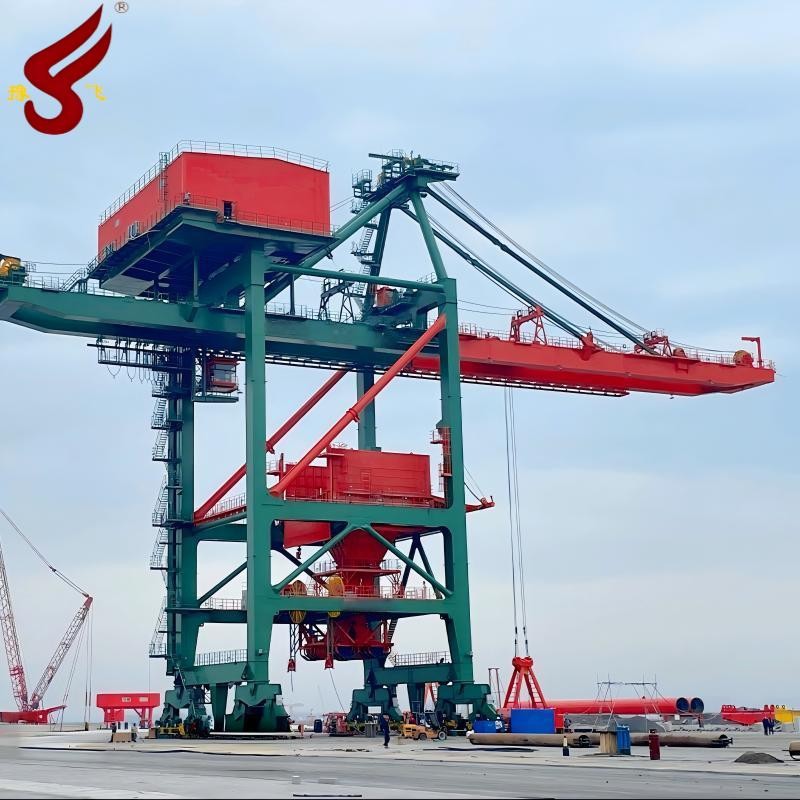
First off, let's talk about the design aspect. Port cranes are engineered with safety in mind from the ground up. Modern port cranes, like the Ship-to-Shore Container Crane, are built with advanced structural designs. They use high - strength materials that can withstand extreme weather conditions and heavy loads. The frames are designed to distribute weight evenly, reducing the risk of structural failure. For example, the steel used in these cranes is carefully selected and tested to ensure it can handle the stresses of lifting and moving large containers day in and day out.
Another crucial safety feature is the control system. Port crane operators rely on sophisticated control panels to manage the crane's movements. These control systems are equipped with multiple layers of safety protocols. There are emergency stop buttons that can halt all crane operations instantly in case of an emergency. The controls also have limit switches. These switches are set to prevent the crane from moving beyond its safe operating range. For instance, they'll stop the boom from extending too far or the hoist from lifting a load that's too heavy. This way, operators don't have to worry about accidentally overextending the crane and causing a dangerous situation.
When it comes to visibility, port crane manufacturers have really stepped up their game. Operators need to have a clear view of the load, the surrounding area, and other equipment. That's why many cranes, including the Grab Ship Unloader, are fitted with high - definition cameras. These cameras are strategically placed around the crane to provide a 360 - degree view. Some even have night - vision capabilities, allowing operators to work safely during low - light conditions. Additionally, large windows in the operator's cab are designed to minimize blind spots. This gives operators a direct line of sight to what's going on below and around them.
Safety training is also a key component. As a port crane supplier, we don't just sell the equipment; we also offer comprehensive training programs for operators. These programs cover everything from basic crane operation to emergency procedures. Operators learn how to perform pre - shift inspections to check for any signs of wear and tear on the crane. They're taught how to handle different types of loads safely and how to respond to various emergency scenarios, such as power outages or equipment malfunctions. By ensuring that operators are well - trained, we significantly reduce the risk of accidents.
Maintenance is another area where safety is prioritized. Regular maintenance is essential to keep port cranes in top - notch condition. Our company provides detailed maintenance schedules and guidelines for all our cranes, including the Single Jib Portal Crane. Maintenance technicians are trained to check critical components like the hoist ropes, brakes, and electrical systems. They use specialized tools and equipment to detect any potential problems early on. For example, non - destructive testing methods are used to check the integrity of the crane's structural components without causing any damage. By staying on top of maintenance, we can prevent small issues from turning into major safety hazards.

In addition to these technical and training aspects, safety regulations play a huge role. The port crane industry is heavily regulated, and we make sure that all our cranes comply with international safety standards. These regulations cover everything from the design and construction of the cranes to the working conditions of the operators. For example, there are rules about the maximum working hours for operators to prevent fatigue, which can lead to accidents. We also follow strict guidelines when it comes to the installation and commissioning of our cranes to ensure they're set up safely.
Now, let's talk about some of the latest safety technologies that are being incorporated into port cranes. One of these is remote monitoring. With remote monitoring systems, we can keep an eye on the crane's performance and condition in real - time. Sensors are installed throughout the crane to collect data on things like temperature, vibration, and load capacity. This data is then transmitted to a central control center, where technicians can analyze it. If there's any sign of a problem, they can alert the operator immediately and take appropriate action. This proactive approach to safety helps us catch issues before they become serious.
Another emerging technology is automation. While operators are still an essential part of the port crane operation, automation can help reduce the risk of human error. Automated systems can perform repetitive tasks with high precision, such as lifting and stacking containers. These systems are programmed to follow strict safety protocols, ensuring that the operations are carried out safely. However, it's important to note that operators are still needed to oversee these automated processes and intervene if necessary.
So, as you can see, there are many ways that port cranes ensure the safety of operators. From the design and construction to the training, maintenance, and the use of the latest technologies, every aspect is carefully considered to keep operators safe.
If you're in the market for a port crane, whether it's a Ship-to-Shore Container Crane, a Grab Ship Unloader, or a Single Jib Portal Crane, we'd love to have a chat with you. We can provide you with more information about our products, their safety features, and how they can meet your specific needs. Don't hesitate to reach out to us for a consultation. We're here to help you make the right choice for your port operations.
References
- Industry standards and regulations for port cranes
- Technical manuals and documentation for our port crane products
- Research on safety technologies in the port crane industry