




How do floating cranes work in areas with restricted airspace?
As a supplier of floating cranes, I've witnessed firsthand the unique challenges and intricacies involved in operating these powerful machines, especially in areas with restricted airspace. Floating cranes are essential for a wide range of maritime and construction projects, from shipbuilding and salvage operations to offshore installation and maintenance. However, when working in areas where airspace is limited, such as near airports, military bases, or congested urban areas, additional precautions and considerations must be taken to ensure safety and compliance.
Understanding the Challenges of Restricted Airspace
Restricted airspace is defined as an area where certain flight operations are restricted or prohibited due to safety, security, or operational reasons. These restrictions can vary depending on the location and the specific regulations in place. In the case of floating cranes, the primary concern in restricted airspace is the potential interference with aircraft operations. The large size and height of floating cranes, combined with their ability to lift heavy loads, can pose a significant risk to aircraft if not properly managed.
One of the main challenges of operating a floating crane in restricted airspace is the need to maintain a safe distance from aircraft. This requires careful planning and coordination with air traffic control (ATC) and other relevant authorities. Before commencing any work, it is essential to obtain the necessary permits and approvals from the appropriate regulatory agencies. These permits typically include detailed information about the crane's location, height, and operating procedures, as well as a plan for ensuring the safety of aircraft in the vicinity.
Another challenge is the need to monitor and communicate with aircraft in real-time. This can be particularly difficult in areas with high levels of air traffic or where visibility is limited. To address this issue, floating cranes are often equipped with advanced radar and communication systems that allow them to detect and track aircraft in the area. These systems can provide early warning of approaching aircraft and enable the crane operator to take appropriate action to avoid any potential conflicts.
Design and Features of Floating Cranes for Restricted Airspace
To operate safely in restricted airspace, floating cranes must be designed and equipped with specific features and capabilities. One of the most important considerations is the height of the crane. In areas with low ceilings or strict height restrictions, it may be necessary to use a crane with a lower profile or to limit the height of the boom when lifting loads. Some floating cranes are also designed with retractable booms or other features that allow them to reduce their height when not in use.
In addition to height restrictions, floating cranes must also be designed to minimize their impact on air traffic. This may include features such as reduced noise levels, improved visibility, and enhanced safety systems. For example, some cranes are equipped with anti-collision sensors and warning systems that can detect and alert the operator to the presence of nearby aircraft. Others may have special lighting or marking systems to improve their visibility from the air.
Another important feature of floating cranes for restricted airspace is their ability to operate in a controlled and predictable manner. This requires precise control systems and advanced automation technology. By using computerized control systems, crane operators can ensure that the crane moves smoothly and accurately, minimizing the risk of sudden movements or vibrations that could interfere with aircraft operations.
Operational Procedures for Floating Cranes in Restricted Airspace
In addition to the design and features of the crane itself, proper operational procedures are essential for ensuring the safety of floating cranes in restricted airspace. Before commencing any work, a detailed risk assessment should be conducted to identify potential hazards and develop appropriate mitigation measures. This assessment should take into account factors such as the location of the crane, the type of work being performed, the weather conditions, and the presence of other vessels or aircraft in the area.
Once the risk assessment is complete, a comprehensive safety plan should be developed and implemented. This plan should include procedures for obtaining the necessary permits and approvals, communicating with ATC and other relevant authorities, monitoring and reporting aircraft activity, and responding to emergencies. It should also include training and certification requirements for the crane operator and other personnel involved in the operation.
During the operation of the floating crane, it is essential to maintain constant communication with ATC and other relevant authorities. This includes providing regular updates on the crane's location, status, and planned movements. The crane operator should also be prepared to follow any instructions or directives issued by ATC to ensure the safety of aircraft in the area.
In addition to communication with ATC, it is also important to establish clear lines of communication between the crane operator and other personnel on board the vessel. This includes the deck crew, who are responsible for handling the load and ensuring its safe transfer. By maintaining clear and effective communication, the risk of accidents or incidents can be minimized.
Case Studies: Floating Cranes in Restricted Airspace
To illustrate the challenges and solutions associated with operating floating cranes in restricted airspace, let's take a look at a few real-world case studies.
Case Study 1: Port Construction Project Near an Airport
In this case, a floating crane was used to support a port construction project located near an airport. The project involved the installation of large concrete caissons and other heavy equipment. To ensure the safety of aircraft in the area, the crane operator worked closely with ATC and the airport authorities to develop a detailed safety plan. This plan included obtaining the necessary permits and approvals, establishing a communication protocol, and implementing strict height restrictions.
During the operation, the crane was equipped with a radar system that allowed it to detect and track aircraft in the area. The operator also maintained constant communication with ATC and provided regular updates on the crane's location and status. By following these procedures, the project was completed safely and without any incidents involving aircraft.

Case Study 2: Offshore Wind Farm Installation in a Military Training Area
In this case, a floating crane was used to install wind turbines in an offshore wind farm located in a military training area. The area was subject to strict airspace restrictions due to the presence of military aircraft. To comply with these restrictions, the crane operator worked closely with the military authorities to develop a detailed safety plan. This plan included obtaining the necessary permits and approvals, establishing a communication protocol, and implementing strict operating procedures.
During the operation, the crane was equipped with a communication system that allowed it to receive real-time updates on military aircraft activity in the area. The operator also maintained constant communication with the military authorities and was prepared to stop the operation if necessary to avoid any potential conflicts. By following these procedures, the project was completed safely and without any incidents involving military aircraft.
Conclusion
Operating floating cranes in areas with restricted airspace presents unique challenges that require careful planning, coordination, and communication. By understanding the regulations and requirements, designing and equipping the crane with appropriate features and capabilities, and implementing proper operational procedures, it is possible to ensure the safety of both the crane and the aircraft in the vicinity.
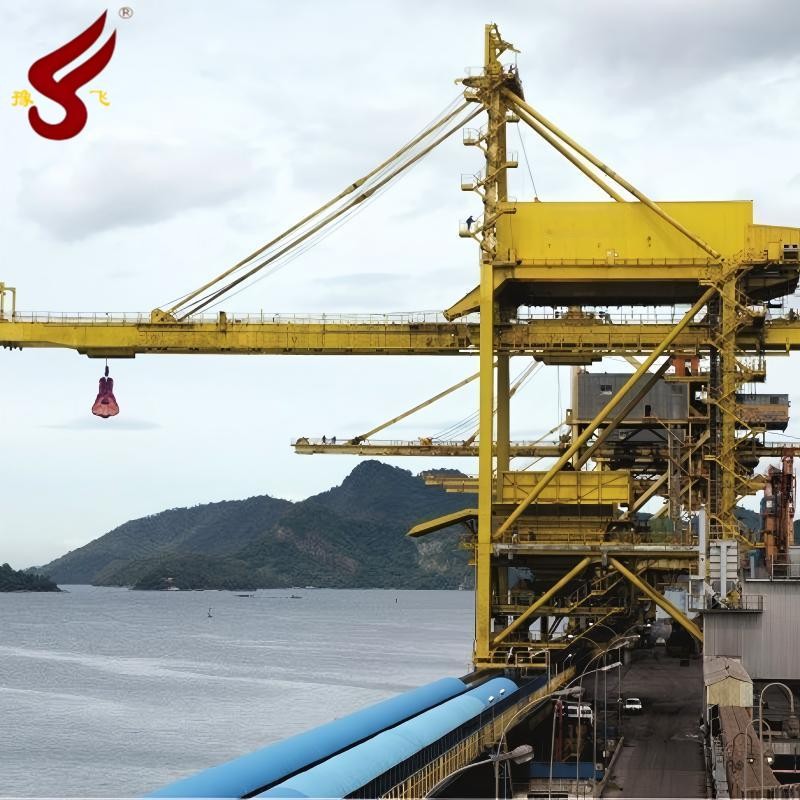
As a supplier of floating cranes, we are committed to providing our customers with the highest quality equipment and services. Our MQ Type Four-link Portal Crane, Grab Ship Unloader, and Single Jib Portal Crane are designed and built to meet the most demanding requirements of our customers, including those operating in restricted airspace.
If you are interested in learning more about our floating cranes or would like to discuss your specific requirements, please contact us. We look forward to the opportunity to work with you and help you achieve your project goals safely and efficiently.
References
- Federal Aviation Administration (FAA). (2023). Airspace Regulations and Requirements.
- International Maritime Organization (IMO). (2023). Safety Guidelines for Floating Cranes.
- National Oceanic and Atmospheric Administration (NOAA). (2023). Marine Weather Forecasts and Warnings.