




Can an electric hoist be used for vertical lifting only? This is a question that often arises among those in the industrial and construction sectors. As a supplier of electric hoists, I've encountered this query numerous times, and I'm here to provide a comprehensive answer.
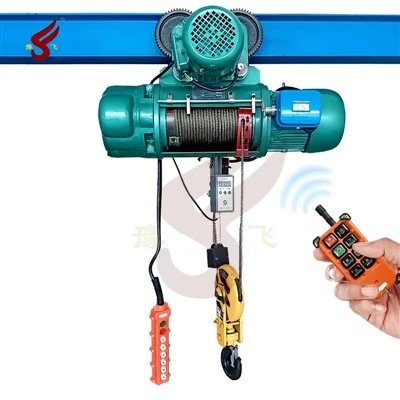
First and foremost, let's understand what an electric hoist is. An electric hoist is a device used for lifting and lowering heavy loads. It operates using an electric motor, which powers a mechanism to wind or unwind a cable or chain, thereby raising or lowering the load. Electric hoists are known for their efficiency, reliability, and ability to handle significant weights.
While electric hoists are commonly associated with vertical lifting, they are not limited to this function. In fact, many electric hoists can be used for both vertical and horizontal movement, depending on the type and design of the hoist.


Types of Electric Hoists and Their Capabilities
European - Style Electric Hoist
The European - Style Electric Hoist is a popular choice in the market. This type of hoist is designed with advanced technology and high - quality materials, offering excellent performance. It can be used for vertical lifting, but it also has the flexibility to be used in combination with a trolley system. The trolley allows the hoist to move horizontally along a beam, enabling the transfer of loads from one location to another within a workspace. This makes it suitable for various applications, such as in factories, warehouses, and workshops where materials need to be moved both vertically and horizontally.
CD1 MD1 Type Electric Hoist
The CD1 MD1 Type Electric Hoist is another common type. It is a simple and reliable hoist that is widely used for vertical lifting tasks. However, it can also be adapted for horizontal movement. With the addition of a suitable trolley, this hoist can be used to move loads horizontally, providing more versatility in material handling operations. The CD1 MD1 type hoist is known for its ease of use and maintenance, making it a cost - effective solution for many businesses.
Low Headroom Electric Hoist
The Low Headroom Electric Hoist is specifically designed for applications where space is limited. It can perform vertical lifting in areas with low ceilings. Similar to other hoists, it can be combined with a trolley to enable horizontal movement. This is particularly useful in facilities where there is not much vertical clearance but still a need to move loads across the workspace.
Factors Affecting the Use of Electric Hoists for Non - Vertical Lifting
Load Capacity
When using an electric hoist for non - vertical lifting, it is crucial to consider the load capacity. The hoist's load - bearing capacity may be affected by the angle of the lift and the additional forces exerted during horizontal movement. It is essential to ensure that the hoist is rated to handle the specific load and the type of movement required. Overloading the hoist can lead to equipment failure, safety hazards, and potential damage to the load.
Trolley System
The trolley system plays a vital role in enabling horizontal movement of the electric hoist. The type and quality of the trolley can affect the smoothness and safety of the horizontal movement. A well - designed trolley should be able to move easily along the beam, with proper alignment and minimal friction. It should also be able to support the weight of the hoist and the load without any issues.
Safety Considerations
Safety is of utmost importance when using an electric hoist for non - vertical lifting. There are additional safety factors to consider compared to vertical lifting. For example, during horizontal movement, the load may swing or shift, which can pose a risk to workers and the surrounding environment. Proper safety measures, such as using anti - swing devices, ensuring proper anchoring of the hoist and trolley, and providing adequate training to operators, are essential.
Applications of Electric Hoists for Non - Vertical Lifting
Manufacturing
In manufacturing plants, electric hoists are used to move raw materials, components, and finished products both vertically and horizontally. For example, in an automotive manufacturing plant, hoists are used to lift engines and other heavy parts from storage areas and transfer them to the assembly line. The ability to move loads horizontally allows for efficient production processes and better utilization of space.
Warehousing
Warehouses often require the movement of goods within the facility. Electric hoists with horizontal movement capabilities can be used to stack and retrieve pallets from high shelves, as well as to transfer goods between different storage areas. This improves the efficiency of warehouse operations and reduces the time and effort required for manual handling.
Construction
In the construction industry, electric hoists are used for a variety of tasks. They can be used to lift building materials, such as steel beams and concrete blocks, to different levels of a building. The horizontal movement feature allows for the precise placement of these materials at the required locations on the construction site.
Conclusion
In conclusion, an electric hoist is not limited to vertical lifting only. With the right design and additional components, such as a trolley system, electric hoists can be used for both vertical and horizontal movement. This versatility makes them suitable for a wide range of applications in various industries. However, it is important to consider factors such as load capacity, trolley system, and safety when using electric hoists for non - vertical lifting.
If you are in need of an electric hoist for your business, whether for vertical or non - vertical lifting applications, we are here to help. Our company offers a wide range of high - quality electric hoists, including the European - Style Electric Hoist, CD1 MD1 Type Electric Hoist, and Low Headroom Electric Hoist. We can provide you with professional advice and solutions tailored to your specific needs. Contact us today to start a discussion about your electric hoist requirements and explore the best options for your business.
References
- Industrial Lifting Equipment Handbook
- Safety Guidelines for Electric Hoist Operations
- Manufacturer's Manuals for European - Style, CD1 MD1, and Low Headroom Electric Hoists