




Can a light - duty crane be used in a high - temperature environment?
As a supplier of light - duty cranes, this is a question I often encounter from customers. High - temperature environments pose unique challenges to equipment, and it's crucial to understand whether light - duty cranes can operate effectively and safely under such conditions.
Understanding Light - Duty Cranes
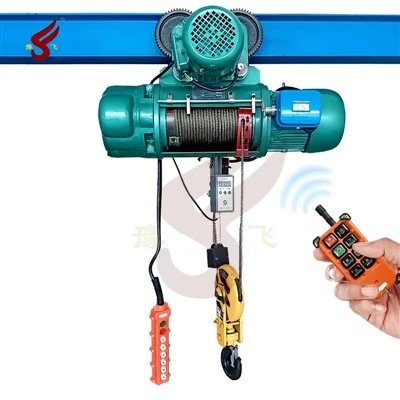
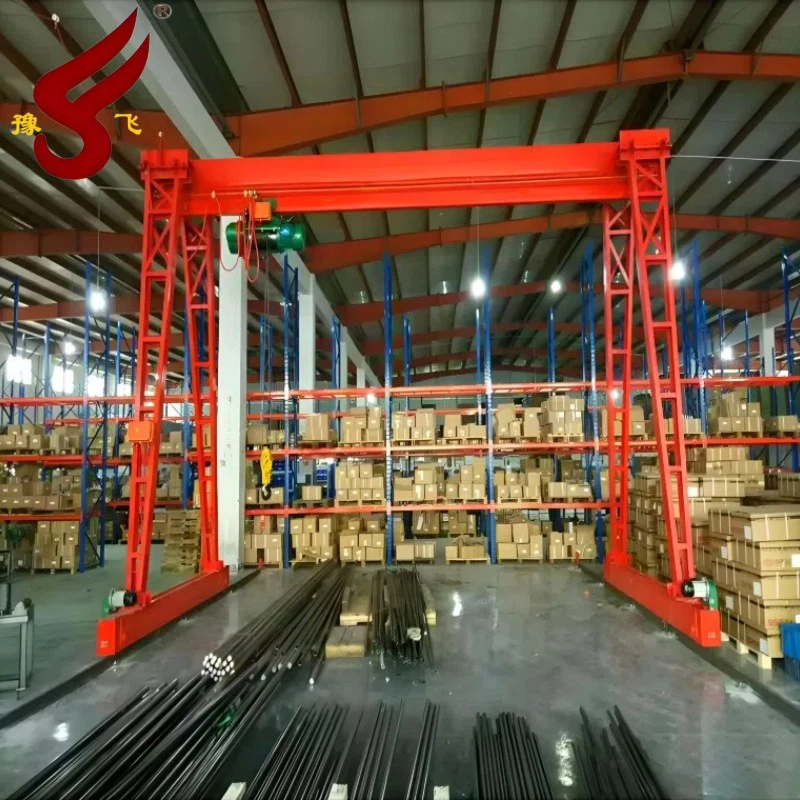
Before delving into the suitability of light - duty cranes in high - temperature environments, let's first understand what light - duty cranes are. Light - duty cranes are designed for applications where the lifting capacity is relatively low compared to heavy - duty industrial cranes. They are often used in workshops, warehouses, and small - scale manufacturing facilities. Two common types of light - duty cranes are the Light - duty Gantry Crane and the KBK Light - duty Crane. These cranes are known for their flexibility, ease of installation, and cost - effectiveness.
Challenges of High - Temperature Environments
High - temperature environments can have several detrimental effects on light - duty cranes.
1. Material Degradation
Most light - duty cranes are made of metals such as steel. High temperatures can cause the metal to expand, which may lead to structural stress and deformation. Prolonged exposure to high heat can also accelerate the oxidation process, leading to rust and corrosion. This not only weakens the crane's structure but can also affect its moving parts, such as the wheels and pulleys.
2. Lubrication Issues
Lubricants are essential for the smooth operation of a crane's moving parts. However, high temperatures can cause lubricants to thin out or break down. When the lubricant loses its viscosity, it cannot provide adequate protection against friction and wear. This can result in increased mechanical wear, reduced efficiency, and even premature failure of the crane's components.
3. Electrical System Problems
Many light - duty cranes are equipped with electrical systems for control and operation. High temperatures can have a significant impact on these electrical components. For example, the insulation of wires can degrade, increasing the risk of short - circuits. Electronic control panels may also malfunction due to overheating, leading to erratic crane operation or complete system failure.

Factors Affecting the Suitability of Light - Duty Cranes in High - Temperature Environments
Despite the challenges, whether a light - duty crane can be used in a high - temperature environment depends on several factors.
1. Temperature Range
The first factor to consider is the specific temperature range of the environment. Different light - duty cranes have different temperature ratings. Some cranes are designed to withstand moderately high temperatures, say up to 60 - 80 degrees Celsius, while others may be more sensitive and require a cooler operating environment. If the temperature in the working area exceeds the crane's rated temperature, it is likely to experience problems.
2. Duration of Exposure
The length of time the crane is exposed to high temperatures also matters. Short - term exposure to high heat may not cause significant damage, especially if the crane is allowed to cool down between operations. However, continuous operation in a high - temperature environment for extended periods can lead to cumulative damage and reduce the crane's lifespan.
3. Crane Design and Construction
The design and construction of the light - duty crane play a crucial role in its ability to withstand high temperatures. Cranes with proper ventilation systems can dissipate heat more effectively, reducing the risk of overheating. Additionally, using heat - resistant materials and coatings can enhance the crane's durability in high - temperature conditions. Some manufacturers may also offer special - purpose light - duty cranes that are specifically designed for high - temperature environments.
Mitigation Strategies
If you need to use a light - duty crane in a high - temperature environment, there are several mitigation strategies you can adopt.
1. Cooling Systems
Installing cooling systems, such as fans or heat exchangers, can help maintain the crane's temperature within an acceptable range. These systems can be integrated into the crane's design or added as aftermarket accessories.
2. High - Temperature Lubricants
Using high - temperature lubricants can prevent lubrication breakdown. These lubricants are formulated to maintain their viscosity and protective properties even at elevated temperatures.
3. Regular Maintenance
Regular maintenance is essential for ensuring the safe and efficient operation of a light - duty crane in a high - temperature environment. This includes inspecting the crane's structure for signs of deformation or corrosion, checking the electrical system for any faults, and replacing worn - out components in a timely manner.
Case Studies
Let's look at some real - world examples to illustrate the use of light - duty cranes in high - temperature environments.
In a foundry, where the temperature can reach over 100 degrees Celsius, a company installed a Light - duty Gantry Crane to move small metal castings. Initially, the crane experienced some issues with lubrication and electrical system overheating. However, after implementing a cooling system and switching to high - temperature lubricants, the crane was able to operate smoothly for several years.
Another example is a glass manufacturing plant. The plant used a KBK Light - duty Crane in an area where the temperature was around 80 degrees Celsius. By conducting regular maintenance and using heat - resistant coatings on the crane's structure, the company was able to extend the crane's service life and avoid major breakdowns.
Conclusion
In conclusion, while light - duty cranes face significant challenges in high - temperature environments, it is possible to use them effectively with proper precautions. By considering factors such as temperature range, duration of exposure, and crane design, and by implementing appropriate mitigation strategies, light - duty cranes can be a reliable solution for lifting tasks in high - temperature settings.
If you are considering using a light - duty crane in a high - temperature environment or have any questions about our products, we are here to help. Our team of experts can provide you with detailed information and guidance on choosing the right crane for your specific needs. Contact us to start a procurement discussion and find the best light - duty crane solution for your business.
References
- "Industrial Crane Handbook: Design and Application" by J. B. Dodge
- "Materials Science and Engineering: An Introduction" by William D. Callister Jr. and David G. Rethwisch