


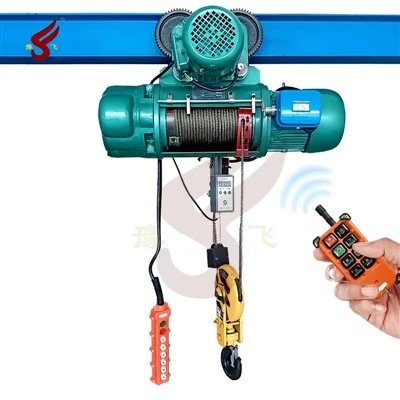


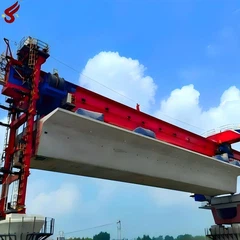
Hey there! As a supplier of light - duty cranes, I often get asked a really interesting question: Can a light - duty crane be used for lifting fragile objects? Well, let's dig into this topic and find out.
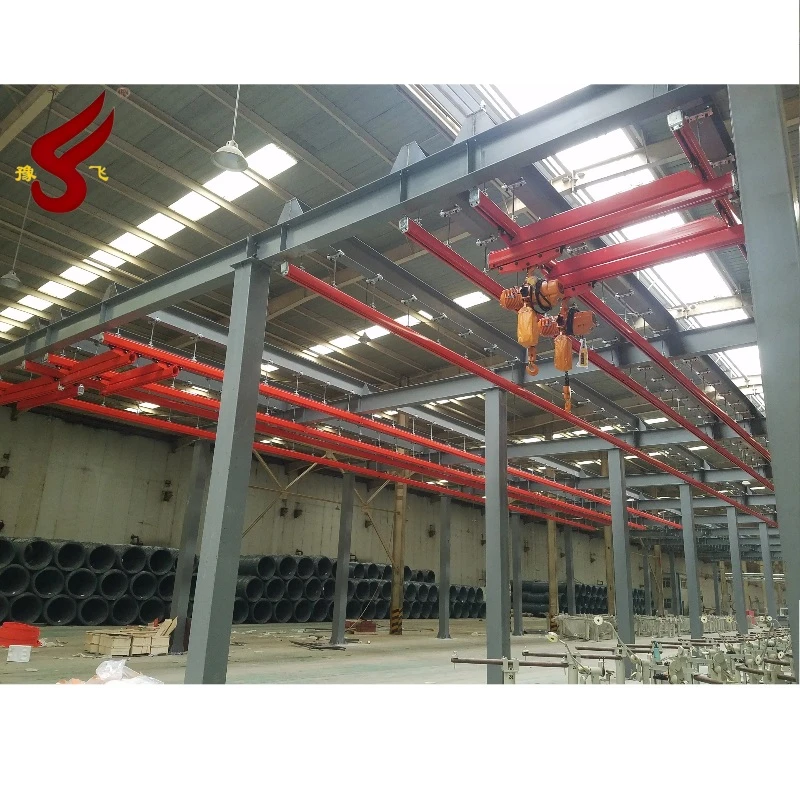
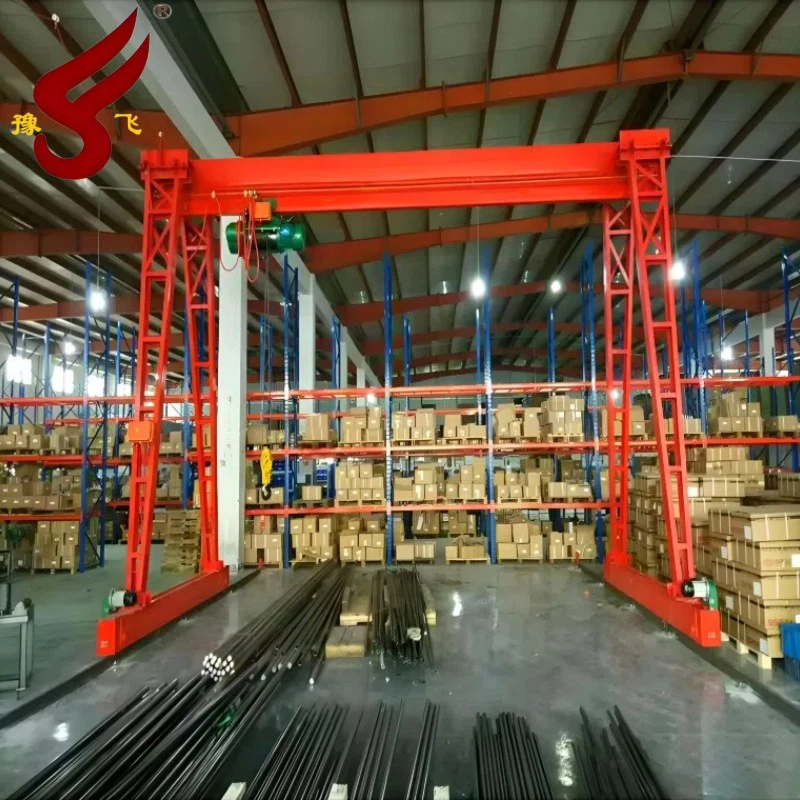
First off, let's understand what light - duty cranes are. Light - duty cranes are designed for relatively small - scale lifting tasks. They're not as heavy - duty as the big industrial cranes you see at construction sites. There are different types of light - duty cranes, like the KBK Light - duty Crane and the Light - duty Gantry Crane.
The KBK light - duty crane is known for its flexibility. It can be easily installed and adjusted according to your specific needs. It's often used in workshops, warehouses, and small manufacturing plants. On the other hand, the light - duty gantry crane is great for outdoor or indoor use when you need to move things over a short distance. It's stable and can handle a reasonable amount of weight.
Now, back to the main question. Can these light - duty cranes be used for lifting fragile objects? The answer is yes, but with some important considerations.
Advantages of Using Light - Duty Cranes for Fragile Objects
One of the biggest advantages is control. Light - duty cranes usually offer more precise control compared to their heavy - duty counterparts. You can move the load slowly and steadily, which is crucial when dealing with fragile items. For example, if you're lifting a delicate glass sculpture, you don't want it to be jolted around. With a light - duty crane, you can operate it at a slow speed and make small, accurate adjustments.
Another advantage is cost - effectiveness. If you only need to lift fragile objects occasionally or in a small - scale operation, investing in a heavy - duty crane would be overkill. Light - duty cranes are more affordable to purchase and maintain. You can save a lot of money while still getting the job done.
Challenges and How to Overcome Them
However, there are also some challenges when using light - duty cranes for fragile objects. One of the main issues is the risk of damage due to improper handling. Since fragile objects are easily breakable, any sudden movement or impact can ruin them.
To overcome this, you need to ensure proper rigging. Use soft slings or padding to protect the fragile items. For instance, if you're lifting a ceramic vase, wrap it in a soft cloth and use slings that won't scratch or damage the surface. Also, make sure the rigging is secure so that the object doesn't shift during the lifting process.
Another challenge is the limited lifting capacity of light - duty cranes. If your fragile object is relatively large or heavy, you need to make sure it's within the crane's capacity. Exceeding the capacity can not only damage the crane but also pose a serious safety risk. Check the crane's specifications carefully before attempting to lift any object.
Safety Measures
Safety is always a top priority when using any type of crane, especially when dealing with fragile objects. First of all, the operator should be well - trained. They need to know how to operate the crane smoothly and how to handle unexpected situations.
Regular maintenance of the crane is also essential. Check the cables, pulleys, and other components regularly to make sure they're in good working condition. A faulty crane can lead to accidents and damage to the fragile objects.
In addition, create a safe working environment. Clear the area around the lifting site of any obstacles. Make sure there are no people standing under the load during the lifting process.
Real - World Examples
Let's look at some real - world examples where light - duty cranes have been successfully used for lifting fragile objects. In an art gallery, a light - duty gantry crane was used to move large, delicate paintings from one storage area to an exhibition hall. The crane's precise control allowed the staff to move the paintings without any damage.
In a small - scale electronics manufacturing plant, a KBK light - duty crane was used to lift circuit boards. These circuit boards are very fragile and can be easily damaged by static electricity or physical impact. The crane's slow and steady movement, along with proper anti - static rigging, ensured that the circuit boards were lifted safely.
Conclusion
So, in conclusion, light - duty cranes can definitely be used for lifting fragile objects. They offer control, cost - effectiveness, and with proper precautions, can ensure the safety of the fragile items. However, it's important to be aware of the challenges and take the necessary steps to overcome them.
If you're in the market for a light - duty crane for lifting fragile objects, I'd love to talk to you. We have a wide range of light - duty cranes, including the KBK Light - duty Crane and the Light - duty Gantry Crane, that can meet your specific needs. Feel free to reach out to discuss your requirements and see how we can help you with your lifting tasks.
References
- Crane Safety Manual, Occupational Safety and Health Administration (OSHA)
- Handbook of Lifting Equipment, Industrial Lifting Association