




Hey there! As a supplier of KBK Light - duty Cranes, I often get asked this question: Can a KBK light - duty crane be used for lifting heavy - duty molds? Well, let's dig into this topic and find out.
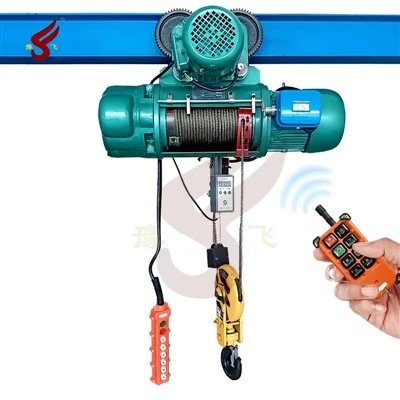
First off, let's understand what a KBK light - duty crane is. A KBK Light - duty Crane is designed mainly for handling lighter loads in various industrial settings. It's known for its flexibility, easy installation, and cost - effectiveness. With its modular design, it can be easily customized to fit different workspaces, whether it's a small workshop or a large factory.
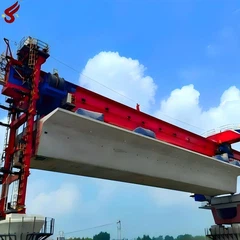
On the other hand, heavy - duty molds are, well, heavy. They can weigh several tons and require a lot of force to lift and move safely. These molds are commonly used in industries like automotive manufacturing, plastic injection molding, and metal casting. When it comes to lifting them, safety and precision are of the utmost importance.
So, can a KBK light - duty crane handle these heavy - duty molds? The short answer is, it depends.
Factors to Consider
1. Load Capacity
The most obvious factor is the load capacity of the KBK light - duty crane. These cranes typically have a relatively low load capacity, usually ranging from a few hundred kilograms to a couple of tons. If the heavy - duty mold weighs within the crane's rated load capacity, then in theory, it can be used. But it's crucial to note that the rated load capacity is the maximum weight the crane can lift under ideal conditions.
In real - world scenarios, there are other factors that can affect the actual load - handling ability of the crane. For example, if the mold has an irregular shape, the center of gravity might be off - balance, which can put extra stress on the crane's components. Also, factors like the speed of lifting, the distance of the lift, and the frequency of use can all impact the crane's performance.
2. Structural Integrity
The structural integrity of the KBK light - duty crane is another important consideration. Heavy - duty molds can exert a lot of stress on the crane's structure. If the crane is not designed to handle such stress, it can lead to premature wear and tear, and in the worst - case scenario, structural failure.


KBK light - duty cranes are made with lighter materials to keep them cost - effective and easy to install. These materials might not be able to withstand the high forces generated by lifting heavy - duty molds over an extended period. For instance, the beams and joints of the crane might start to deform or crack under the heavy load, which can compromise the safety of the entire lifting operation.
3. Safety Features
Safety is always a top priority when it comes to lifting heavy objects. KBK light - duty cranes are equipped with certain safety features, such as overload protection devices and limit switches. However, these features are designed based on the crane's rated load capacity.
If the load exceeds the rated capacity, the safety features might not work as intended. For example, the overload protection device might not be able to stop the crane from lifting a mold that is significantly heavier than its rated capacity. This can put the operators at risk of accidents, such as the mold falling or the crane tipping over.
4. Operational Requirements
Heavy - duty molds often require precise positioning and movement during the lifting process. KBK light - duty cranes are generally designed for more straightforward lifting tasks. They might not have the level of precision and control needed for handling heavy - duty molds.
For example, in some industries, the molds need to be inserted into a specific machine with very tight tolerances. A KBK light - duty crane might not be able to provide the fine - tuned movement required for this type of operation. Also, the speed of the crane might not be suitable for heavy - duty mold handling. Some molds need to be lifted and moved slowly to ensure safety and accuracy, and a light - duty crane might not have the adjustable speed settings needed for such tasks.
Alternatives to KBK Light - duty Cranes for Heavy - Duty Mold Lifting
If a KBK light - duty crane is not suitable for lifting heavy - duty molds, what are the alternatives? One option is a Light - duty Gantry Crane.
Light - duty gantry cranes are designed to handle heavier loads compared to KBK light - duty cranes. They have a more robust structure and can provide better stability during the lifting process. Gantry cranes also offer more flexibility in terms of movement, as they can move along a track or be portable in some cases.
Another alternative is a heavy - duty overhead crane. These cranes are specifically designed for lifting very heavy loads and are commonly used in industries where heavy - duty mold handling is a regular task. They have high load capacities, advanced safety features, and precise control systems, which make them ideal for lifting heavy - duty molds.
Conclusion
In conclusion, while a KBK light - duty crane might be able to lift a heavy - duty mold in some cases, it's not always the best choice. Before using a KBK light - duty crane for heavy - duty mold lifting, it's essential to carefully consider the load capacity, structural integrity, safety features, and operational requirements.
If you're in the market for a crane for heavy - duty mold handling, it's recommended to consult with a professional crane supplier. As a supplier of KBK Light - duty Cranes, I can offer you expert advice on whether a KBK crane is suitable for your specific needs or suggest alternative solutions.
If you're interested in learning more about our KBK Light - duty Cranes or need help in choosing the right crane for your application, don't hesitate to reach out. We're here to assist you in making the best decision for your business.
References
- Crane Manufacturer's Handbook
- Industrial Lifting Safety Guidelines